Solar panels can provide dependable electricity for decades, but their power output does not stay at its original level forever. Over time, constant exposure to sunlight and changing outdoor conditions places natural stress on photovoltaic materials. This gradual loss of production has the name of solar panel degradation.
Degradation happens slowly. A panel does not suddenly become ineffective once it reaches a certain age, and quality equipment can continue to produce substantial electricity far into its service life. Instead, output tends to decline in small amounts from one year to the next.
This overview of solar panel degradation rates gives property owners a clearer view of what to expect from a solar investment. It also puts performance warranties and future production estimates into better perspective. Once owners know why panels lose capacity, small changes in annual output become much easier to understand.
Understanding Solar Panel Degradation
Solar panel degradation describes the permanent decline in a module’s ability to convert sunlight into usable electricity as the equipment ages. Every panel faces environmental and electrical stress throughout its service life. Even durable photovoltaic materials experience gradual physical changes after years of regular exposure.
This process usually develops at a slow pace rather than through a sudden drop in production. A system can lose a small amount of capacity each year and still produce useful electricity decades after installation. For this reason, degradation alone does not mean a solar system has reached the end of its useful life.
How Fast Solar Panels Usually Degrade
Modern solar panels often lose only a small percentage of their original production capacity each year. Many systems experience degradation near one-half percent annually, although actual rates depend on module technology and environmental conditions. Some premium panels maintain even more of their initial output.
Small annual losses become more noticeable across several decades. A panel that produces slightly less electricity each year can still retain a large share of its original capacity after twenty years. Manufacturer performance data can provide a clearer estimate for each specific module.
Why Output Declines With Age
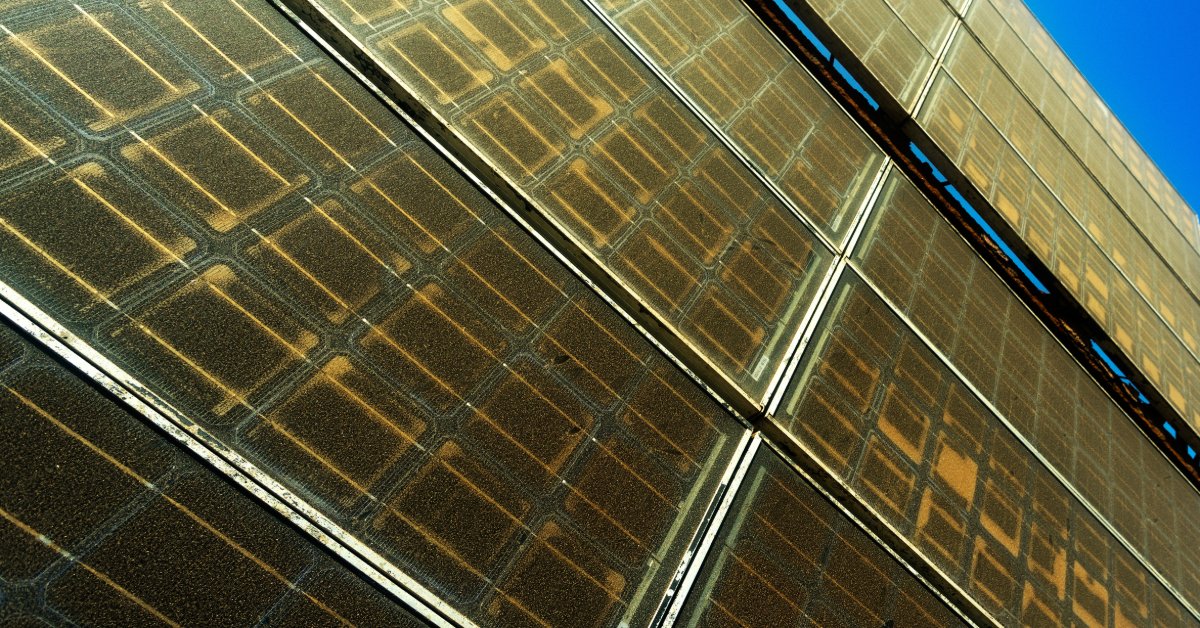
Solar panels spend their entire service lives outdoors, where sunlight and temperature changes place continual stress on their materials. Ultraviolet exposure can gradually alter protective components. Electrical activity within photovoltaic cells also contributes to natural material changes over time.
Normal degradation differs greatly from an abrupt equipment failure. A sharp decline in production could point toward damaged wiring, inverter trouble, or another system problem. Gradual losses across several years usually fit the pattern expected from normal panel age.
Heat Can Accelerate Material Stress
Solar panels need sunlight to produce electricity, but excessive heat can place additional pressure on their internal materials. High temperatures cause materials to expand. Cooler conditions cause them to contract again, and countless temperature cycles can slowly affect the physical structure of a module.
System design can influence how well panels handle this stress. Adequate space beneath rooftop modules allows air to move around the equipment and helps excess heat escape more effectively. Working with a professional solar power solutions company will help property owners choose equipment that can handle local heat conditions and expected environmental stress.
Moisture Can Influence Degradation
Solar panels have protective seals that help keep water away from sensitive internal materials. Those protections face years of rain and humidity. If moisture eventually reaches vulnerable components, corrosion or other material damage can reduce the panel’s ability to produce electricity.
Humid and coastal areas can place even greater pressure on exposed equipment. Salt in coastal air may add another source of material stress, especially when a system lacks suitable protection for that environment. Strong construction can help panels resist these conditions across many years of service.
Climate Shapes Panel Performance
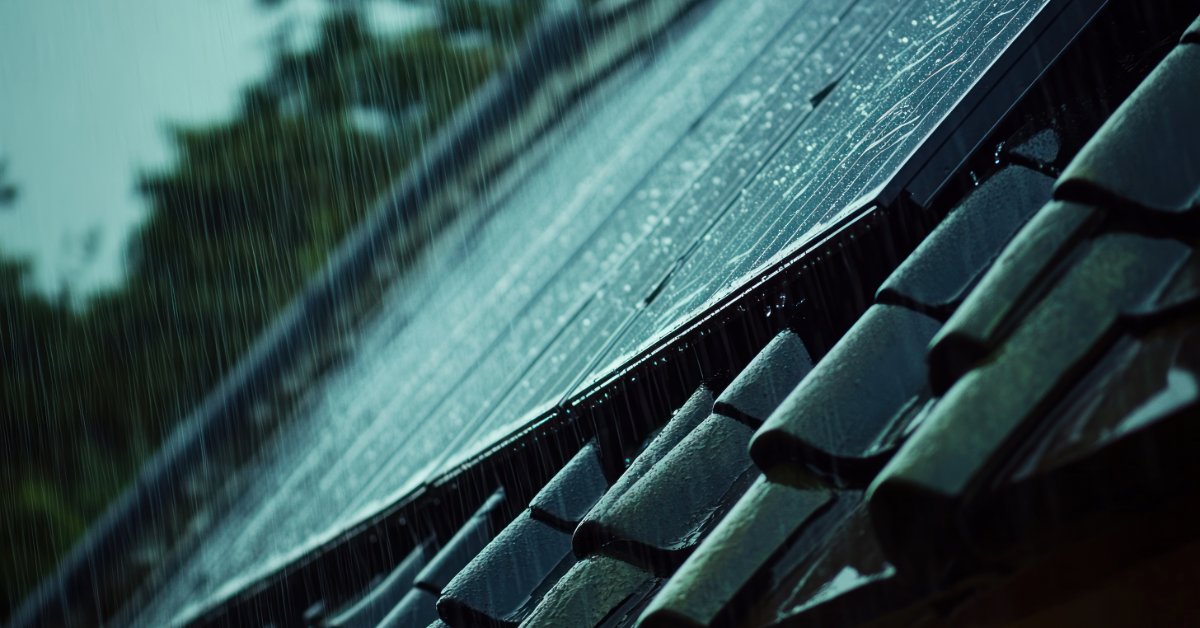
A solar system in a mild climate does not face the same environmental pressure as one exposed to extreme heat or severe seasonal changes. Local weather matters throughout the panel’s life. Repeated exposure to storms, intense sunlight, and sharp temperature shifts can influence how materials age.
Climate does not automatically determine whether a solar project will perform well. Instead, it affects the type of stress the equipment must tolerate across decades. Panels suited to local conditions have a better chance to maintain dependable output as the system becomes older.
Panel Construction Affects Degradation
Not every solar panel uses the same materials or production methods. Cell technology and manufacturing standards can influence how well a module withstands years of outdoor exposure. Small differences in construction can become more important as decades pass.
Quality deserves attention beyond the panel’s initial power rating. A module with strong durability can preserve more of its capacity as it ages, even if another panel starts with similar output. Degradation expectations can provide useful context when owners compare equipment for a new solar project.
Proper Installation Protects Performance
Even a high-quality panel needs proper installation to deliver consistent results throughout its expected service life. Secure mounts keep equipment stable when wind places pressure on an array. Correct electrical connections also reduce the chance that preventable system faults will interfere with power production.
Poor installation can create output losses that owners may mistake for panel degradation. A loose electrical connection or damaged cable can cause a much faster decline than natural material wear. Professional inspection can reveal whether a performance change comes from age or a separate system fault.
Production Changes Require Proper Context
Solar electricity production naturally changes throughout the year. Cloud cover can reduce output for days, seasonal sunlight can alter monthly totals, and new shade can affect a section of an array. None of these changes automatically indicate permanent degradation.
A broader view provides a more accurate picture of panel health. Comparing production across similar periods can reveal whether a decline follows normal annual variation or represents a deeper performance concern. Sudden changes deserve attention because natural degradation usually develops at a much slower pace.
System Age Does Not Tell the Entire Story
Two solar systems of the same age can have very different performance levels. One may have faced extreme heat for years, whereas another operated under milder environmental conditions. Equipment quality and installation standards can create further differences between otherwise similar systems.
Age remains useful when owners assess expected production, but it should not become the only measure of panel condition. Actual output provides stronger insight when considered alongside environmental exposure and manufacturer expectations. A well-built system may continue to provide substantial electricity after decades of use.
Solar panel degradation is a process that affects every photovoltaic system over time. The decline usually occurs in small annual amounts rather than through dramatic performance losses. Quality panels can retain substantial production capacity even after many years of regular service.
Understanding solar panel degradation rates helps property owners view system performance from a realistic perspective. Changes in electricity production do not always mean panels have permanent damage, especially when weather and seasonal sunlight can alter output considerably. Consistent performance records can reveal whether a system follows expected patterns.