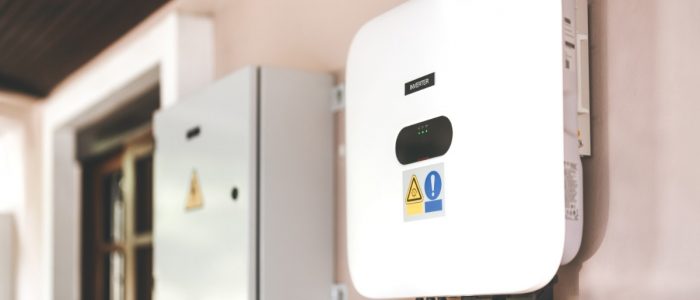
Solar panels receive most of the attention in a residential solar system, but the inverter has an equally important role. It converts direct current from the panels into alternating current that household electrical systems can use. The type of inverter can also influence how the entire solar array responds to different roof conditions.
Inverters perform the same core function through very different system designs. A string inverter connects several solar panels to one central conversion unit. Micro inverters place individual conversion devices at each panel, giving every module greater control over its own production.
These can influence solar output, repair access, system costs, expansion potential, and performance under partial shade. The roof itself also has a major influence on the most suitable setup. Understanding the main differences between string and micro inverters will make it easier to discuss system design with a qualified solar professional.
How String Inverters Work
String inverters use a centralized approach to power conversion. Several solar panels connect within an electrical string that sends direct current toward one main inverter. That inverter converts the collected electricity into alternating current for use throughout the home.
This architecture can work especially well when panels share similar exposure and roof positions. Consistent sunlight helps connected modules operate under comparable conditions throughout the day. The simple layout can also reduce the amount of conversion equipment placed across the roof.
How Micro Inverters Work
Micro inverters move the conversion process directly to each solar panel. Every module receives a small inverter that converts its direct current before electricity moves toward the home’s electrical system. This arrangement gives individual panels greater independence within the complete array.
That independence changes how the system reacts when one module produces less electricity than nearby panels. Other modules can continue to operate according to the sunlight available to them. The result can provide greater flexibility across roofs with varied conditions.
Shade Creates Different Results
Partial shade can create challenges for any solar installation. Trees, chimneys, neighboring structures, and roof features may block sunlight across certain sections at different times. The inverter architecture determines how the system responds when individual modules receive less sunlight.
A traditional string system connects panel performance more closely across each electrical string. Reduced production from one module can have a wider effect across connected panels. Micro inverters isolate panel operation more effectively, helping unaffected modules continue to produce electricity from available sunlight.
Roof Design Influences Inverter Choice
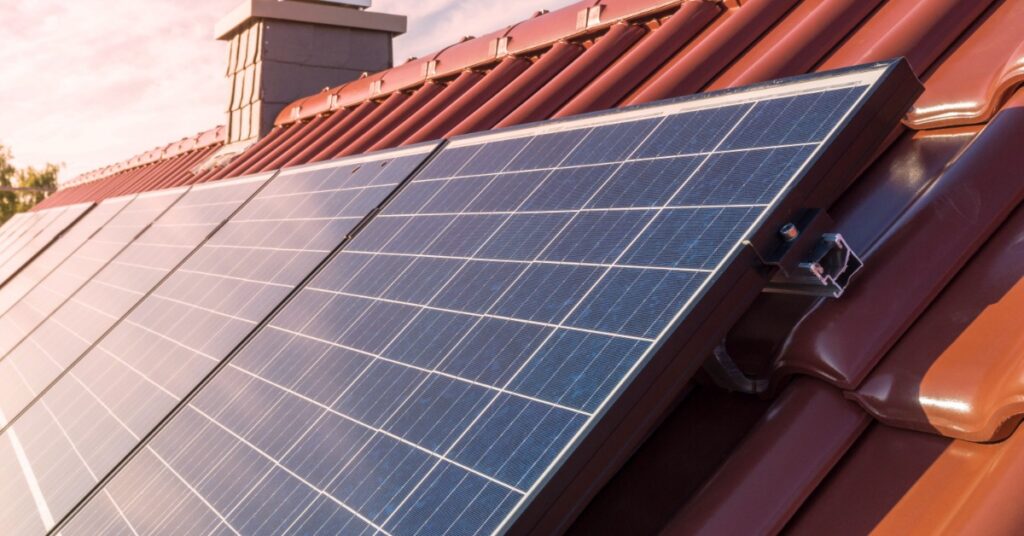
A simple roof with broad open space often provides favorable conditions for a string inverter. Panels can share a similar direction and receive comparable sunlight throughout much of the day. That consistency supports the centralized architecture behind a traditional string system.
Complex roofs present a different situation because panels may sit across several angles and orientations. Sunlight can also reach each roof section at different times. Investing in the right residential solar panels with professional help will help homeowners match inverter architecture with the actual conditions across their property.
System Data Can Differ
Homeowners often want a clear way to check whether their solar system produces electricity as expected. Many string inverter platforms provide information about total system output or production from larger groups of connected panels. This information offers a useful overview without overwhelming homeowners with excessive data.
Micro inverter systems can provide more detailed information about individual modules. That extra detail can reveal when one panel produces noticeably less electricity than nearby panels. Technicians can also use this information to locate potential equipment problems more efficiently.
Maintenance Takes Different Forms
String inverters concentrate important electronic components within one central unit. Installers often place this equipment near a garage, electrical panel, utility space, or suitable exterior wall. Accessible placement can make inspections and certain repairs easier for technicians.
A failure within the central inverter can interrupt production across a significant portion of the solar array. Micro inverter failures usually have a more isolated effect because each device serves one panel. Roof access may still become necessary when technicians need to service an individual micro inverter.
Initial Costs Can Differ
Solar project costs depend heavily on equipment selection and system complexity. String inverter systems typically require fewer conversion devices because one unit serves multiple panels. This architecture can help keep initial equipment expenses lower on suitable residential projects.
Micro inverter systems require individual electronic devices across the solar array. That additional hardware can increase the initial cost of the system. Homeowners should consider the complete project price because labor, electrical work, warranties, permits, and roof conditions also affect total expenses.
Expansion Requires Early Consideration

Household electricity demand does not always remain the same after a solar installation. New appliances or electrical upgrades can increase future power requirements. Homeowners may eventually want additional solar panels to support those changes.
String inverter capacity can place limits on how much additional solar equipment the existing system can support. Micro inverter architecture may allow greater flexibility because new panels can receive compatible individual devices. Any expansion still depends on roof space, electrical capacity, equipment compatibility, and local requirements.
Reliability Depends on System Design
Both inverter technologies can provide reliable service when professionals install quality equipment correctly. String systems concentrate power conversion within one primary device, creating a centralized point for system operation. That structure can make equipment access simpler when service becomes necessary.
Micro inverters distribute conversion hardware throughout the solar array. A problem with one device generally affects its connected panel rather than every module. However, these devices remain on the roof, where temperature changes and environmental conditions can influence equipment throughout its service life.
Electrical Architecture Sets Them Apart
String inverter systems transport direct current from roof panels toward the central inverter. Power conversion occurs after electricity reaches that central device. This design requires proper electrical protection and professional installation across the complete solar system.
Micro inverters convert direct current near each individual solar panel instead. Alternating current then moves from the roof toward the home’s electrical equipment. Both designs must follow applicable electrical codes and manufacturer requirements to support safe and dependable operation.
Selecting the Right System for Your Home
No inverter technology provides the perfect answer for every residential property. A simple roof with consistent sunlight can provide excellent conditions for a string inverter system. More complicated roof layouts may require an architecture that gives panels greater operational independence.
The final decision should reflect the actual conditions of the property rather than broad assumptions about either technology. A professional assessment can connect roof characteristics and household energy demands with appropriate equipment. That approach creates a solar system built around the home instead of forcing the home around the technology.
The differences between string and micro inverters extend beyond the location of the equipment. Each design changes how solar panels interact with shade, roof conditions, system faults, future expansion, and production data. Understanding those differences provides valuable context before a homeowner commits to a specific solar system.
String inverters offer centralized power conversion that can fit straightforward residential installations. Micro inverters provide greater panel independence for properties with more varied solar conditions. The right system ultimately depends on household energy needs and professional system design.