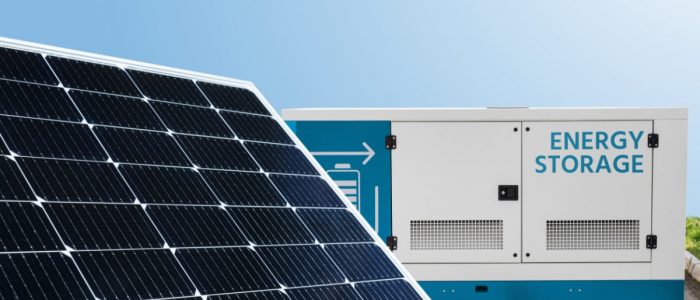
Commercial properties depend on reliable electricity, but rapid growth in power demand has started to place greater pressure on utility networks. As utilities invest in added capacity to support that demand, businesses may face higher rates and less predictable monthly energy expenses. Large battery systems can give commercial facilities more control over how and when they draw electricity from the grid.
Tesla Megapack systems offer substantial energy storage for facilities with large electrical loads, though successful deployment requires careful preparation from the start. Every property presents distinct conditions that affect equipment placement and overall system design. Thoughtful Megapack installation with site requirements can turn battery storage into a practical asset that supports greater energy independence and more stable electricity costs.
Evaluate the Property Before Design Begins
A successful project starts with a close examination of the property and its existing electrical infrastructure. Engineers need a clear picture of available space and current power demands before they can develop an effective system design. Early evaluation also reveals physical restrictions that could influence equipment placement or require changes before construction starts.
Historical electricity use offers valuable context because commercial power demand rarely remains constant throughout each day. Engineers can use past utility records to understand when a facility consumes the most electricity and how those patterns change over time. That information helps shape a battery system that reflects actual site demands rather than broad assumptions about commercial energy use.
Select a Practical Location for the Equipment
Megapack placement deserves careful attention because the selected area must support safe access and dependable operation without disrupting normal property use. A location that appears suitable at first may conflict with traffic routes or other important parts of the facility. Early site analysis prevents those conflicts from becoming expensive problems once equipment reaches the property.
Adequate space around each unit also gives technicians room to access equipment whenever inspections or service become necessary. Emergency personnel need practical routes to the installation area without obstacles that could delay access during an unexpected event. Thoughtful placement creates a dedicated energy area that fits naturally within the broader commercial site.
Create a Foundation That Supports the System
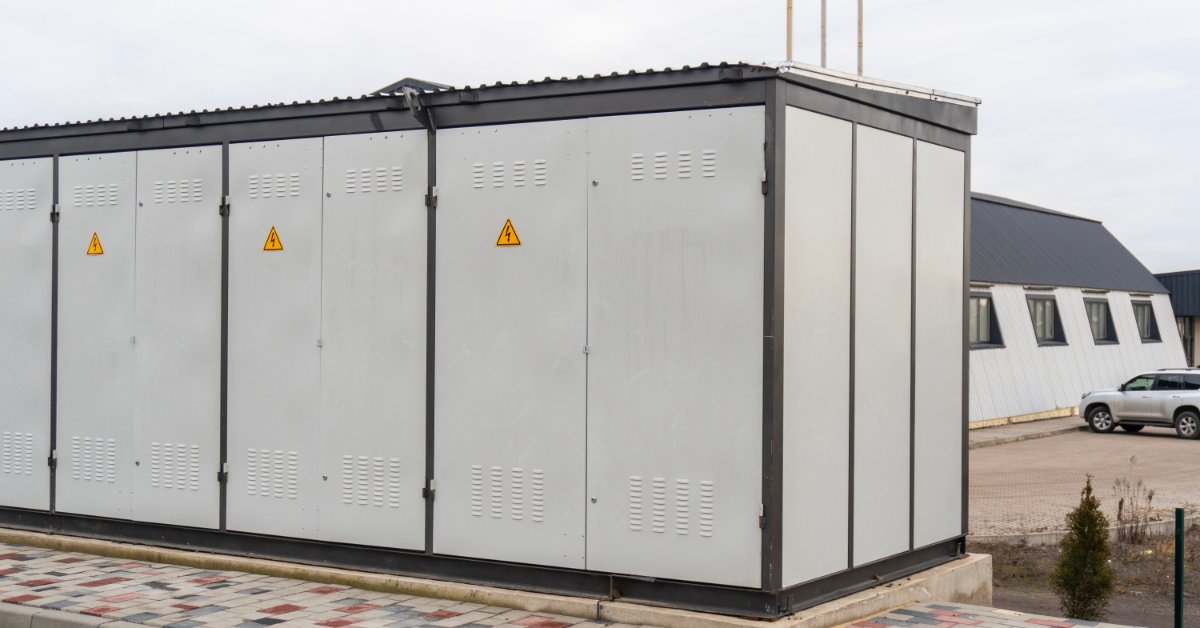
Large battery equipment places substantial weight on the surface beneath it, so the foundation must meet the structural demands of the installation. Engineers assess ground conditions before they approve a foundation that can keep each Megapack secure throughout its expected service life. Weak preparation can cause settlement that places unnecessary stress on equipment or electrical connections.
Water also deserves attention because poor drainage can create unwanted conditions around electrical equipment during periods of heavy rain. The finished site should direct water away from the battery area and maintain dependable access throughout seasonal weather changes. Proper preparation gives the equipment a stable base without forcing contractors to correct preventable site problems later.
Match Electrical Infrastructure to Facility Demand
A Megapack must connect with the property’s electrical system in a manner that supports safe and reliable power transfer. Existing service capacity can influence the final design, especially at facilities with large loads or complex electrical infrastructure. Engineers must understand how electricity moves throughout the property before they establish the final connection strategy.
Investing in Tesla solar Megapack batteries means businesses can store available electricity for use when grid power becomes more expensive. This capability has greater value when system controls respond directly to actual facility demand and local utility rate structures. A well-planned electrical connection lets the battery support site operations without unnecessary disruption to everyday commercial activity.
Make Safety Part of the Site Design
Battery storage sites require thoughtful access because technicians and emergency personnel must reach equipment safely when circumstances require their presence. Clear space around each Megapack helps maintain practical access without unnecessary obstacles near electrical equipment. Local authorities may also examine the proposed site to confirm that its design complies with applicable safety and fire codes.
Safety should remain part of the physical design rather than appear as an isolated requirement near the end of development. Facility personnel need clear procedures that define appropriate access and establish how staff should respond if an unusual condition occurs. A well-prepared property supports confident operation because both the site and personnel remain ready for unexpected situations.
Account for Local Environmental Conditions
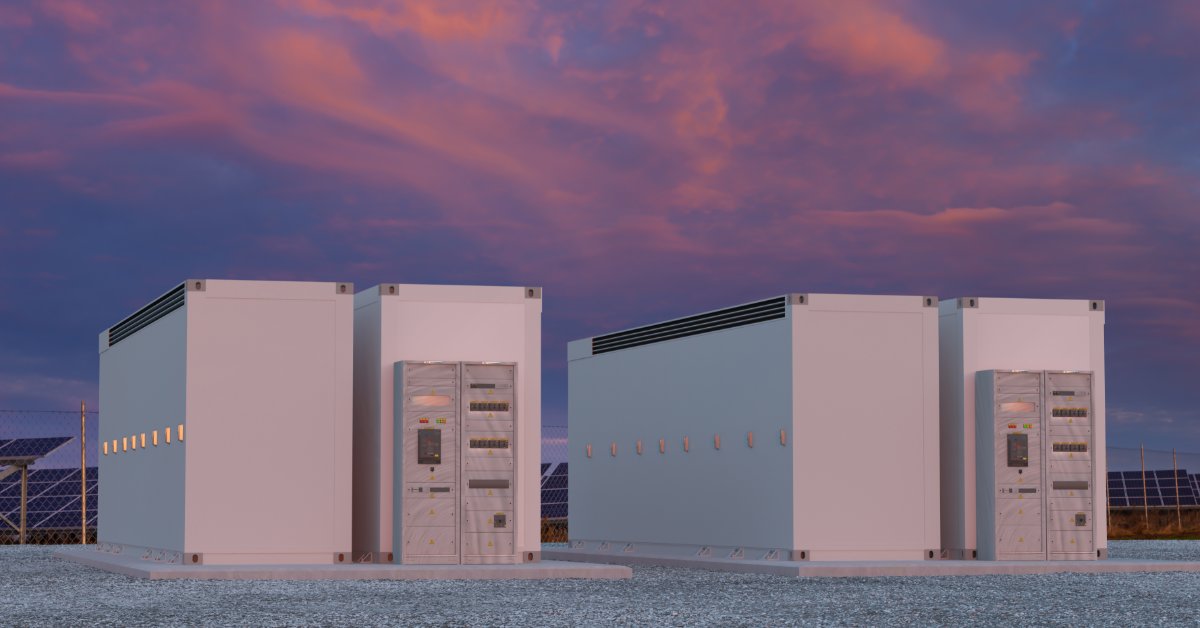
Weather can influence site requirements, especially where heavy rainfall, extreme temperatures, floods, or severe storms create additional demands on commercial infrastructure. Engineers should consider local environmental exposure before final placement decisions establish where battery equipment will remain for years. Conditions around the property may require specific site measures that protect access and preserve dependable system operation.
Natural site characteristics can also affect how the battery area performs across different seasons. Dust or nearby vegetation may create maintenance concerns when property conditions receive little attention during the early design process. An appropriate site plan reflects local conditions instead of treating every commercial battery installation as an identical project.
Reduce Exposure to Rising Utility Costs
Electricity demand has expanded across many markets as businesses and communities place heavier loads on utility infrastructure. Providers may need major capital investments to add generation resources and strengthen networks that must support this higher demand. Those expenses can contribute to rate increases that leave commercial customers with greater uncertainty around future electricity costs.
Battery storage gives facilities a way to reduce dependence on grid power during periods when electricity carries a higher price. A Megapack can hold energy until facility demand or utility rates make stored power more valuable. Strategic use can help a business respond to higher utility costs without forcing major changes across normal facility operations.
Support Greater Rate Stability
Utility rates can shift as electricity demand grows and providers invest more capital into the systems required to serve customers reliably. Commercial facilities have limited control over those external changes, but they can gain more control over their own grid consumption. Battery storage creates flexibility through access to stored electricity when utility power becomes less economical.
Rate stability does not require a business to separate from the electrical grid. Instead, a well-designed Megapack system can reduce exposure to costly demand periods and create more predictable patterns in electricity expenses. That added control can make energy budgets easier to manage when future utility prices remain uncertain.
The site requirements for Megapack installation demand more than sufficient property space because every system must fit the electrical and operational realities of its commercial site. Careful preparation creates a stronger foundation for dependable performance and helps prevent avoidable obstacles from disrupting the project.
Rising electricity demand may place continued pressure on utilities as they expand infrastructure to support greater power consumption across their service areas. Tesla Megapack storage can help commercial facilities respond with greater control over when they depend on grid electricity and how they manage expensive demand periods. A well-planned system can support greater rate stability and give businesses a more predictable approach to energy costs as utility pressures evolve.