
Electricity supports almost every part of home life, from refrigeration and climate control to communication, security, entertainment, and basic comfort. A utility outage can disrupt those routines within moments and leave a household dependent on uncertain restoration times. The off-grid capabilities of the Tesla Powerwall give homeowners access to stored energy when the electrical grid can no longer supply power.
A Powerwall can store excess solar energy for later use rather than send all surplus electricity back to the local utility. That reserve creates another source of household power once solar production falls or an unexpected utility outage affects the area. With proper system design, homeowners can use battery storage to support greater energy independence and create a more reliable home power network.
Keep the Home Active Through an Outage
A sudden grid failure does not have to cause an immediate loss of electricity across every essential area of the home. Powerwall can respond to an outage and provide stored energy to supported household circuits once normal utility service becomes unavailable. This automatic response gives homeowners dependable access to electricity without the delay often associated with other forms of emergency power.
The available reserve can keep important home systems active until grid service returns or solar production adds more energy. Household energy habits still affect how far that stored power can stretch across an outage. Thoughtful use allows the battery to focus its available capacity on the parts of home life that matter most.
Extend the Value of Solar Power
Solar panels produce their greatest value when the home can make effective use of the electricity they create each day. Without battery storage, excess solar energy may leave the property rather than remain available for household use at a later hour. Powerwall captures surplus production and gives the home access to that energy after direct solar output falls.
This relationship between solar panels and battery storage can reduce dependence on utility electricity across a much larger portion of each day. Homeowners gain more control over when their solar energy serves the home instead of relying only on immediate panel production. The result creates a more flexible household energy system with a useful reserve ready for periods of reduced solar output.
Maintain Greater Energy Independence
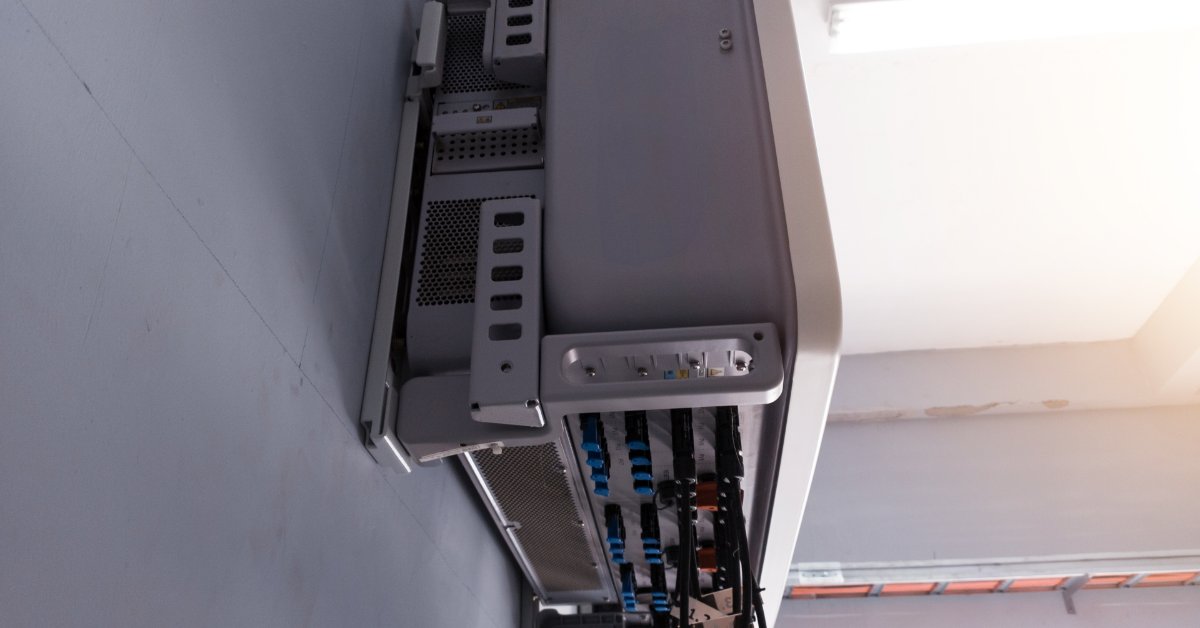
Off-grid capability gives homeowners an opportunity to rely less on outside electricity when the utility network becomes unreliable or unavailable. Solar production can supply the home under favorable conditions and send excess electricity into the battery for later household use. That stored reserve can then support the property once solar panels cannot meet current demand on their own.
Complete grid independence depends on household demand and the overall system design. However, a home does not need complete separation from the grid to gain meaningful value from greater energy independence. Even partial independence can provide extra confidence when local electrical infrastructure faces outages or other unexpected service problems.
Make Backup Power Feel More Seamless
Traditional backup methods can require fuel access and direct action before electricity becomes available to the household. Battery storage offers a more integrated approach since the Powerwall forms part of the home’s electrical and solar energy system. When grid power fails, the battery can help preserve access to electricity without a complicated transition for household occupants.
A quieter source of backup electricity can also preserve the familiar atmosphere of a home when the surrounding area loses power. There is no combustion engine beside the house that must remain active whenever essential electrical loads require support. Powerwall instead uses stored electricity and works with the home’s energy system to provide a more natural transition from grid power.
Preserve Power for Household Priorities
Every home has different electrical demands, and those differences become far more noticeable when available battery capacity has clear limits. A large appliance can consume far more electricity than smaller household devices and reduce the reserve available across an extended outage. Homeowners who understand their normal energy habits can make better decisions about how they use stored electricity when grid service disappears.
The goal does not have to involve keeping every electrical device active exactly as it would operate under normal utility conditions. A practical approach places greater attention on household functions that protect comfort and normal daily routines. This perspective helps homeowners treat battery capacity as a valuable resource rather than an unlimited replacement for the electrical grid.
Strengthen Household Energy Reliability

Reliable electricity becomes especially valuable when utility problems occur without notice and restoration may take more time than homeowners expect. Powerwall adds another layer of protection between a household and the disruptions associated with an unstable or unavailable electrical grid. That additional energy reserve can reduce the immediate effect an outage has on normal home life.
Investing in a Tesla solar Powerwall is the best decision to create a more resilient relationship between solar energy and household power. The battery gives excess solar electricity a useful purpose after production drops and offers additional support when utility service suddenly fails. For homeowners who value backup power and reliability, that reserve can make home energy feel far less dependent on outside conditions.
Adapt Home Energy Use to Grid Conditions
Energy independence becomes more practical when homeowners understand that household electricity needs can change based on conditions outside the property. A brief utility interruption may require almost no adjustment, whereas an extended outage can make careful energy use far more important. Powerwall gives homeowners flexibility to adapt without immediately losing access to the electricity that supports essential home functions.
Stored energy also creates a valuable buffer between the household and changes across the local utility network. Homeowners can use available battery power when the grid cannot provide dependable electricity and return to normal service once conditions improve. This flexibility gives the home another layer of resilience without requiring complete separation from conventional utility infrastructure.
Create a Stronger Solar Energy System
Solar panels alone provide renewable electricity when adequate sunlight reaches the system, but production does not always match household demand. Powerwall helps close that gap through energy storage that keeps surplus solar electricity available for use at another time. The combination makes solar energy more adaptable and allows the household to draw value from production beyond direct daylight use.
Battery storage can also make a solar system more relevant when an outage prevents normal access to electricity from the grid. Instead of treating solar production as a resource tied only to immediate demand, homeowners can preserve excess energy for future household needs. This relationship creates a more complete home energy system with greater flexibility across ordinary days and unexpected utility disruptions.
The off-grid capabilities of the Tesla Powerwall give homeowners another way to protect daily life from the uncertainty that comes with utility power interruptions. Its off-grid capabilities allow stored solar electricity to support the home when access to conventional grid power becomes limited or disappears completely. That reserve can make a meaningful difference for households that value dependable electricity and greater control over their own energy resources.
Powerwall cannot remove every limitation associated with outages or household electricity demand, but it can strengthen overall energy resilience. A well-designed system connects solar production with useful battery storage and gives homeowners a dependable source of backup power when conditions change. With realistic expectations and appropriate capacity, the home can maintain greater reliability without complete dependence on the electrical grid.