
Commercial electricity costs continue to place greater pressure on operating budgets as power demand expands across many utility territories. Greater demand can place added strain on existing grid infrastructure and contribute to rate increases that affect offices, warehouses, retail centers, industrial properties, and other commercial facilities. Solar offers a practical response because on-site power can reduce dependence on utility electricity and create a more predictable cost structure.
However, commercial solar requires more than equipment placement and electrical connections. Every project must satisfy the interconnection standards established through the local utility before the system can operate with the electric grid. The commercial solar interconnection requirements account for utility requirements from the earliest design phase and keep financial expectations connected to actual site conditions.
Understanding the Interconnection Process
Commercial solar interconnection establishes the technical relationship between a private solar system and the electric utility network. The utility reviews the proposed system to confirm that its design can operate safely without unacceptable effects on local electrical infrastructure. That review can shape the final project before installation proceeds.
Requirements vary according to utility territory, system capacity, site characteristics, and available grid infrastructure. A straightforward project may move through review with few changes, whereas a larger system can face additional technical scrutiny. Early coordination gives property owners a clearer sense of the approval path and protects the accuracy of projected ROI timelines.
Connecting Solar Capacity With Grid Conditions
A commercial property may have enough roof or ground space for a substantial solar array, but available space does not determine approved capacity. Local grid conditions can place practical limits on how much solar power the utility will permit at a specific connection point. This distinction can change the economics of a proposed project.
Demand growth can make available grid capacity more valuable in commercial areas with substantial electrical use. When local infrastructure approaches its operating limits, the utility may require design revisions before it approves additional generation. An early assessment helps align solar capacity with actual site needs and supports a financial forecast that reflects realistic production.
Selecting Equipment That Supports Approval
Solar equipment must match project objectives and utility requirements. A component that performs well from a production perspective may still create approval problems if its technical characteristics fail to satisfy local interconnection standards. Careful equipment selection can prevent expensive design revisions later.
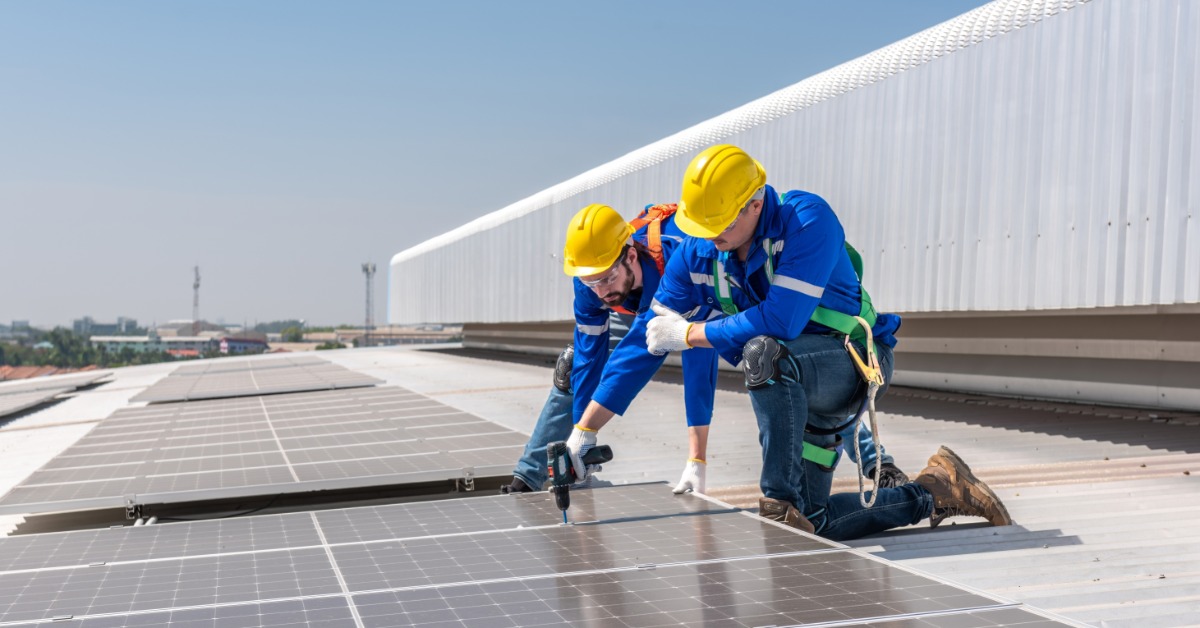
With our professional commercial solar panel installation, any building can move toward lower utility dependence through a system designed around applicable interconnection requirements. Experienced coordination between solar professionals and the utility can keep technical expectations clear before major project commitments occur. This preparation supports stronger cost control and more dependable ROI projections.
Preparing for Detailed Utility Review
Larger commercial solar systems can require a more detailed utility assessment before approval. The review examines how the proposed array interacts with local electrical infrastructure and whether the connection can operate within established utility standards. Complex sites may require more review time than owners initially expect.
That additional time matters when rising utility costs strengthen the economic case for solar. Every month before activation represents another period when the property remains dependent on purchased electricity at prevailing rates. Accurate schedules allow decision makers to evaluate ROI without assuming that solar savings will begin immediately after construction.
Matching Solar Production With Property Demand
The financial value of commercial solar depends heavily on how the property uses electricity throughout the day. Solar power consumed directly at the site can offset electricity that the business would otherwise purchase from the utility. That relationship becomes more valuable when utility rates increase as regional demand grows.
A system that produces far more power than the property consumes may face different economics. Export compensation does not always equal the retail price that a business pays for electricity from the grid. Smart design focuses on the relationship between site demand and expected solar output rather than maximum system capacity alone.
Accounting for Possible Grid Improvements
Some commercial solar projects reveal limitations within the utility infrastructure near the property. The existing electrical network may not support the proposed connection without modifications that add expense or extend the approval schedule. These conditions can materially alter the original business case.
Owners gain a stronger financial perspective when potential infrastructure work enters the discussion early. An unexpected utility expense late in development can move the expected payback date and change capital decisions. Early communication gives stakeholders more time to assess whether projected electricity savings still justify the total investment.
Understanding How Utility Rates Shape ROI
Rising electricity prices can strengthen the financial case for commercial solar because every unit of on-site solar production can offset more expensive utility power. Businesses with substantial daytime demand may see a particularly strong connection between higher rates and solar value. However, rate growth alone should not define the investment decision.
A credible ROI forecast considers how the utility will treat the completed solar system under its applicable tariff. The actual relationship between solar production and future electricity bills determines how quickly savings recover project costs. Financial projections become more useful when they reflect utility conditions rather than broad assumptions about energy prices.
Keeping Approval Schedules Realistic
Physical installation does not mark the end of the commercial solar interconnection process. The completed system still needs to satisfy the required utility procedures before normal grid-connected operation can begin. A project that reaches construction completion on schedule can still experience a gap before expected savings appear.
That gap can have a noticeable effect on ROI when electricity costs remain high. Property owners continue to purchase utility power during any period before final authorization. A realistic project schedule accounts for this possibility and gives financial teams a more accurate date for the start of solar savings.
Building Expectations Around Real Conditions
Commercial solar ROI should reflect the project that can receive utility approval rather than an ideal system based only on available property space. Interconnection conditions can affect capacity, schedule, and total investment before the first unit of solar electricity offsets a utility bill. Those effects belong at the center of financial planning.
Higher utility costs can still create a compelling economic case. As electricity demand expands and rates place more pressure on commercial budgets, solar can provide greater value through reduced dependence on purchased power. A realistic ROI timeline connects that opportunity with the technical and financial conditions of the specific property.
Commercial solar interconnection requirements play a direct role in project feasibility and financial performance. Utility approval affects when a system can operate, how much solar capacity the property can support, and whether unexpected costs alter the original investment case. Addressing those requirements early creates a stronger foundation for sound project decisions.
Rising electricity costs driven by greater demand can make commercial solar more attractive, especially for properties with substantial daytime power use. The strongest ROI projections still depend on realistic expectations rather than optimistic assumptions. When project design, utility coordination, and financial analysis support the same objective, commercial property owners can pursue solar with greater confidence in the expected return.