Solar energy systems depend on careful placement and angle selection to capture strong sunlight during peak summer months across varied regions. Many property owners seek better performance from panels through proper tilt adjustment that aligns with seasonal solar paths and local latitude. A well-planned approach ensures panels receive direct rays during extended daylight periods and supports steady energy output across hot summer days.
Sun position shifts during summer months create higher solar angles that require adjustments to panel tilt for optimal energy capture across rooftops. Understanding how to optimize solar panel tilt for summer sun exposure allows property owners to match panel orientation with sun elevation and daily path changes. Proper tilt settings reduce losses that result from poor alignment with seasonal sun movement.
Understanding Summer Solar Angles
Summer sun travels across a higher arc in the sky compared with other seasons across many regions in the United States. This elevated path changes the ideal tilt angle required for panels to face direct sunlight during peak daylight hours. Property owners must account for this shift to maintain strong exposure across roofs and open ground installations.
Solar elevation increases as days extend through summer months and panels require flatter angles to capture direct rays during midday hours. A steep tilt designed for winter conditions can reduce summer performance due to mismatch between panel face and sun position. Adjustments allow panels to align closer to overhead sun paths and improve energy collection during peak seasonal conditions.
Latitude and Tilt Relationship
Latitude determines baseline tilt recommendations for solar panels across different regions and serves as a starting point for seasonal adjustments. Lower latitudes experience higher sun positions and require flatter panel angles during summer months to maintain effective exposure across surfaces. Higher latitudes need careful adjustment to balance extended daylight with solar angle changes.
Property owners can modify standard latitude-based tilt values to better suit summer sun positions and maximize daily exposure across rooftops. A slight reduction from annual tilt values often improves alignment with midday sun paths during peak seasonal conditions. These adjustments help panels capture direct sunlight across long summer days without excessive angle that limits exposure.
Ground Mount Flexibility
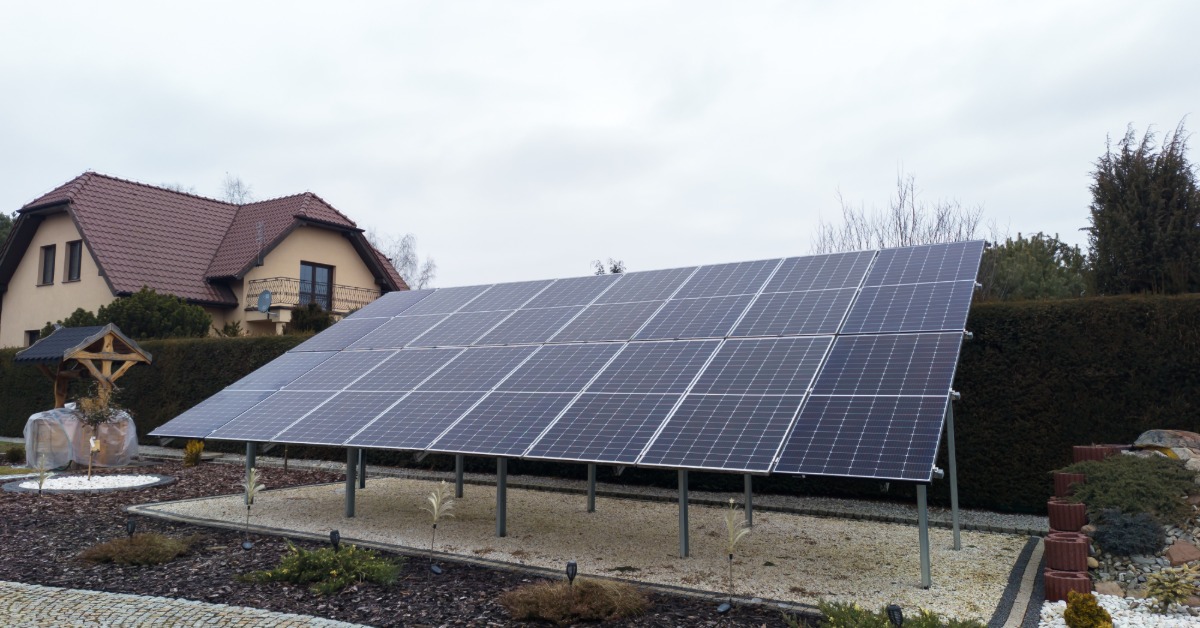
Ground-mounted solar systems provide greater flexibility for tilt adjustment compared with roof installations and allow precise alignment with summer sun positions. These systems can adapt to seasonal changes through adjustable mounts that support fine-tuning across different months. Property owners often use this flexibility to improve exposure during peak summer conditions.
With ground mounts, installers can adjust tilt angles without structural limitations that affect rooftop systems and achieve closer alignment with solar elevation. This approach supports better performance during long daylight periods and reduces shading from nearby structures or landscape features. Flexible positioning allows systems to respond effectively to seasonal sun path changes.
Seasonal Tilt Adjustments
Seasonal tilt adjustment allows solar systems to respond to changes in sun elevation across different times of year with better accuracy. Summer months require flatter panel orientation compared with winter due to higher solar positions during midday hours across most regions. This change supports more direct sunlight exposure and improves system output during warm seasons.
Property owners who adjust tilt seasonally can maintain better alignment with solar paths and reduce mismatch between panel angle and sun direction. Fixed systems may use compromise angles that balance performance across seasons without frequent manual changes. Adjustable mounts allow fine-tuning that supports stronger output during peak summer daylight periods.
Roof Pitch Considerations
Roof pitch often determines panel tilt for residential systems and may limit the ability to adjust angles for summer sun exposure effectively. Steeper roofs may face challenges when summer sun rises high above the horizon and reduces direct exposure across panel surfaces. Flatter roofs provide more flexibility for tilt adjustment and alignment with seasonal solar positions.
Installers can use mounting systems that modify panel angle relative to roof pitch to better match summer sun elevation across rooftops. These systems allow panels to sit at optimized tilt even when roof slope differs from ideal seasonal angle. Proper design ensures panels face sunlight directly during peak hours without major structural changes.
Professional Installation Support

Professional installation ensures solar panels receive proper tilt alignment from the start and reduces risk of poor positioning across rooftops or ground mounts. Experts evaluate site conditions, sun paths, and structural factors to determine the best angle for summer exposure across each installation. Their experience helps create systems that perform reliably across changing seasons.
With our professional solar power panels installation, you can achieve precise tilt alignment that matches seasonal sun paths and supports strong summer energy performance across your property. Skilled teams use accurate tools and proven methods to position panels correctly and maintain optimal exposure during long daylight periods.
Orientation and Direction
Panel orientation plays a major role in solar exposure during summer months and affects how tilt interacts with sun movement across the sky. South-facing systems in the northern hemisphere receive strong exposure across long summer days and benefit from proper tilt alignment. East and west orientations may require different tilt strategies to capture morning and afternoon sunlight effectively.
Correct direction combined with optimized tilt supports consistent sunlight exposure across panels and reduces periods of low energy production during peak season. Property owners must consider orientation and tilt to create balanced solar capture across daily sun paths. This combined approach helps systems maintain steady output across extended daylight hours.
Maintenance and Adjustment Planning
Regular maintenance helps ensure solar panels remain aligned with intended tilt angles and continue to capture sunlight effectively during summer months. Structural shifts and hardware wear may affect panel position over time and require periodic inspection across installations. Scheduled checks help maintain alignment and system performance.
Planning for occasional adjustments allows property owners to respond to seasonal changes and maintain optimal tilt across summer conditions. Even fixed systems may benefit from minor corrections that restore proper alignment with solar elevation. Consistent attention ensures panels continue to operate at effective angles during peak sunlight periods.
Optimizing solar panel tilt for summer sun exposure requires careful attention to sun position and system design across different installations. Property owners who understand these factors can align panels with seasonal solar paths and support steady energy output during long daylight periods. Thoughtful planning and adjustment ensure panels receive direct sunlight across peak hours and maintain reliable performance throughout warm months.
A balanced approach that considers tilt orientation and professional installation helps solar systems operate efficiently during summer conditions across various locations. Continuous monitoring and maintenance support long-term performance and ensure panels remain aligned with changing solar elevation. With a proper strategy, solar installations can deliver dependable energy output across extended summer daylight periods.