Solar panels thrive on sunlight, but extreme heat can create unexpected challenges. Many homeowners assume that hotter weather automatically leads to greater electricity production. Excessive temperatures can reduce solar panel efficiency, even under clear skies with abundant sunshine.
This creates a unique challenge for properties in regions with intense summer heat. Solar panels must withstand prolonged exposure to high temperatures without excessive performance losses. The difference between a reliable solar system and one that struggles often comes down to equipment quality, installation methods, and regular maintenance.
Understanding how to manage solar panel efficiency in hot climates is essential for anyone who wants to protect their investment. With the right approach, property owners can maintain dependable energy production throughout the hottest months and reduce unnecessary performance losses.
Why Extreme Heat Reduces Solar Panel Efficiency
Solar panels need sunlight to produce electricity, but excessive heat can interfere with their electrical performance. As photovoltaic cells become hotter, their voltage decreases, often resulting in lower power output despite strong sunlight. This explains why a sunny afternoon does not always deliver maximum electricity production.
The effects become more noticeable during prolonged heat waves. A panel exposed to intense afternoon temperatures may produce less electricity than the same panel under cooler conditions with similar sunlight. Understanding this relationship helps property owners establish realistic expectations for their solar systems.
Choose Solar Panels That Perform Well in High Temperatures
Not all solar panels respond to heat in the same way. Some models maintain more consistent performance under extreme temperatures due to their cell technology and materials. Choosing equipment suitable for the local climate can make a meaningful difference in annual electricity production.
One important specification is the temperature coefficient, a measurement that indicates how much power output changes as panel temperatures rise. Panels with a lower absolute temperature coefficient generally experience smaller efficiency losses under extreme heat. Property owners should review manufacturer specifications carefully before investing in a new solar installation.
Proper Ventilation Makes a Significant Difference
Solar panels can become considerably hotter than the surrounding air, especially above heat-absorptive roof materials. Without adequate ventilation, trapped heat beneath the panels can increase operating temperatures and reduce electrical output. This problem becomes particularly noticeable during extended periods of intense summer sunshine.
A properly designed mounting system allows natural airflow beneath the solar array. This ventilation helps dissipate accumulated heat without additional mechanical equipment. Professional installers evaluate roof structure and manufacturer clearance requirements to create an installation that supports effective heat dissipation.
Keep Solar Panels Clean Without Damage
[Image A]
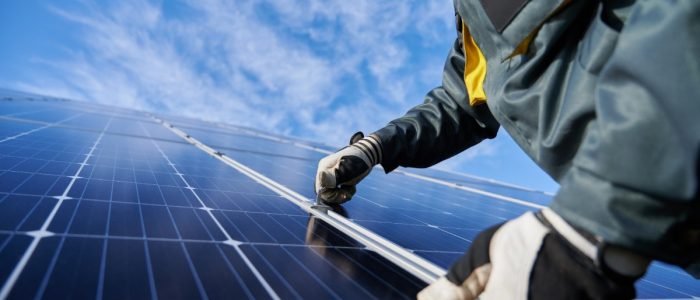
Dust and debris can gradually reduce the amount of sunlight that reaches photovoltaic cells. This problem becomes particularly noticeable in hot, dry climates where limited rainfall allows dirt to accumulate across panel surfaces. Over time, substantial deposits can affect electricity production and make system performance less predictable.
Regular inspections help determine when professional maintenance is necessary. Property owners should avoid harsh chemicals and abrasive materials that could damage protective glass. Contact between cold water and extremely hot panels may also create thermal stress, making manufacturer-approved maintenance methods particularly important.
Monitor Performance To Identify Potential Problems
Solar panel efficiency can fluctuate throughout the year, but unexpected production losses deserve attention. A sudden decrease in electricity output may indicate an equipment fault rather than normal temperature-related changes. Recognizing unusual performance patterns early can prevent minor problems from becoming expensive repairs.
Modern solar systems often include digital platforms that display electricity production and equipment alerts. These tools help property owners identify unexpected changes before performance problems become more serious. Comparing production records with weather conditions also provides a clearer picture of how effectively the system operates during extreme heat.
Protect Solar Inverters From Excessive Temperatures
Solar panels receive most of the attention, but inverters also play an essential role in electricity production. These devices convert the direct current generated from solar panels into alternating current suitable for household use. When exposed to excessive heat, their internal components may struggle to maintain normal operating temperatures.
High temperatures can trigger protective power reductions or temporary inverter shutdowns. Proper placement is especially important in regions with prolonged summer heat. Installers should select locations that meet manufacturer ventilation requirements and protect equipment from unnecessary direct sunlight and extreme ambient temperatures.
Schedule Professional Inspections Before Problems Escalate
[Image B]
Extreme temperatures can place additional stress on electrical connections and other solar system components. Repeated thermal expansion and contraction may contribute to deterioration over time, especially when installation defects already exist. Professional inspections help detect potential problems before they interfere with normal electricity production.
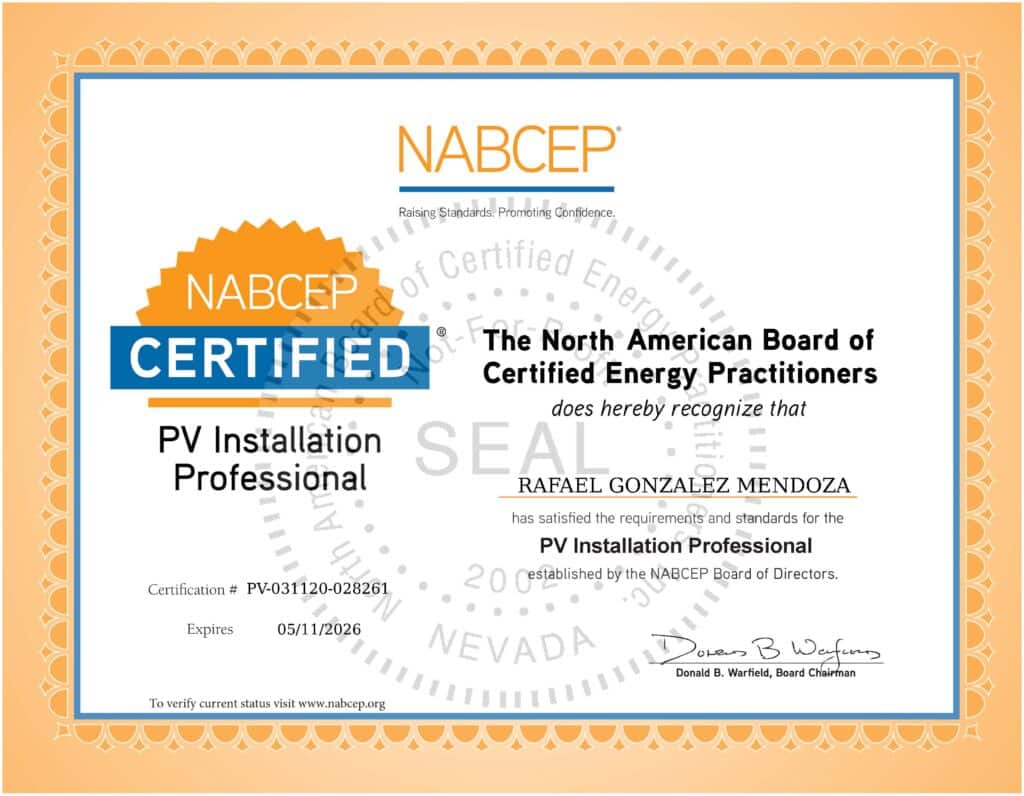
Working with the right solar service experts will help property owners identify hidden problems and maintain dependable system performance. Experienced technicians can assess equipment conditions and recommend appropriate maintenance based on the installation’s specific requirements. Professional evaluations are particularly valuable before peak summer demand places additional pressure on residential electrical systems.
Consider How Roof Materials Affect Solar Performance
The roof beneath a solar array can influence the temperatures that panels experience. Dark asphalt shingles often absorb substantial amounts of solar radiation, creating a hotter environment around rooftop equipment. These conditions may increase thermal exposure when ventilation beneath the panels is inadequate.
Reflective roof materials may help reduce surface temperatures under certain conditions. However, roof color alone does not determine solar panel efficiency, as installation design and environmental conditions also influence heat exposure. A professional roof assessment can help identify suitable installation methods without compromising structural integrity or the protective function of the roof.
Understand Seasonal Changes in Solar Energy Production
Summer offers longer daylight hours, but extended sunshine does not guarantee maximum solar efficiency. High temperatures can reduce panel output even during periods with excellent sunlight. This makes seasonal production patterns more complex than many property owners initially expect.
Electricity demand also changes considerably throughout the year, especially in homes that depend heavily on air conditioners. During extreme heat, increased household consumption may reduce the amount of surplus solar electricity available for export. Comparing production records with actual energy consumption provides a more accurate perspective on system performance.
Preventive Maintenance Protects Solar System Reliability
Solar panels can withstand demanding outdoor conditions, but regular maintenance remains important. Prolonged heat exposure can accelerate deterioration in vulnerable components, particularly when equipment suffers from existing installation defects. Without proper attention, minor issues may eventually interfere with electricity production.
A proactive maintenance schedule helps identify problems before they affect overall system performance. Professional technicians can evaluate equipment conditions and determine whether components require repair or replacement. Consistent attention to system health helps property owners avoid unexpected interruptions during periods when dependable solar electricity matters most.
Extreme temperatures should never prevent property owners from making the most of their solar investment. Managing solar panel efficiency in hot climates requires a thoughtful approach that accounts for local weather conditions and the unique demands of each property. With professional expertise and appropriate system care, solar energy can remain a dependable resource even during intense summer heat.
At Go Solar Power, we understand that every property has different energy requirements and deserves a solution tailored to its needs. Our solar services are an excellent choice for homeowners and businesses that want professional expertise and dependable energy solutions. Trust us to help you make a confident solar investment with personalized support that reflects your property and energy goals.