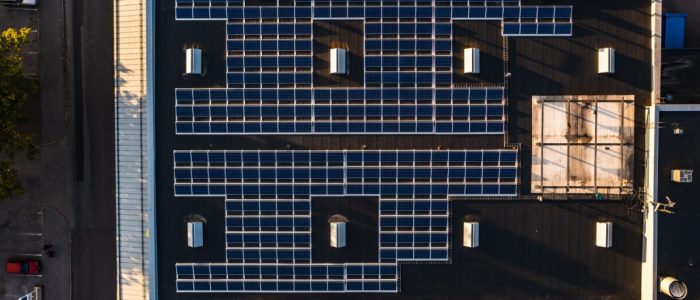
Warehouse operations require substantial electricity to maintain productivity throughout the workday. As utility rates fluctuate, energy expenses can place increasing pressure on commercial budgets. Business owners must find practical ways to control these costs without compromising the performance of their facilities.
The benefits of installing solar on your warehouse extend beyond immediate reductions in electricity expenses. A properly designed system can influence the overall efficiency of a warehouse and support future operational requirements. As commercial electricity demands evolve, renewable energy infrastructure can provide greater flexibility for business owners.
Reduce the Financial Pressure of Electricity Expenses
Electricity expenses can consume a substantial portion of a warehouse’s operational budget. Facilities that depend on electrical equipment throughout the workday often face considerable utility bills. Solar panels allow these businesses to produce electricity directly, reducing the amount of power they must purchase from their utility provider.
The financial impact becomes particularly noticeable when a warehouse consumes substantial electricity during daylight hours. Instead of relying entirely on the grid, the facility can use power generated from its rooftop. Over time, these reductions can help offset the initial installation expense and improve overall profitability.
Transform Unused Rooftop Space Into a Valuable Asset
Most warehouses have expansive rooftops that receive sunlight throughout the day. These surfaces can offer considerable potential for commercial solar installations without requiring businesses to purchase additional property. Solar panels allow warehouse owners to generate electricity from space that would otherwise provide no direct financial return.
However, a successful installation depends on the roof’s structural condition and available surface area. Professional contractors must determine whether the existing structure can support the additional equipment safely. A suitable rooftop allows the business to produce renewable electricity without interfering with normal warehouse activities.
Create Greater Stability in Your Operational Budget
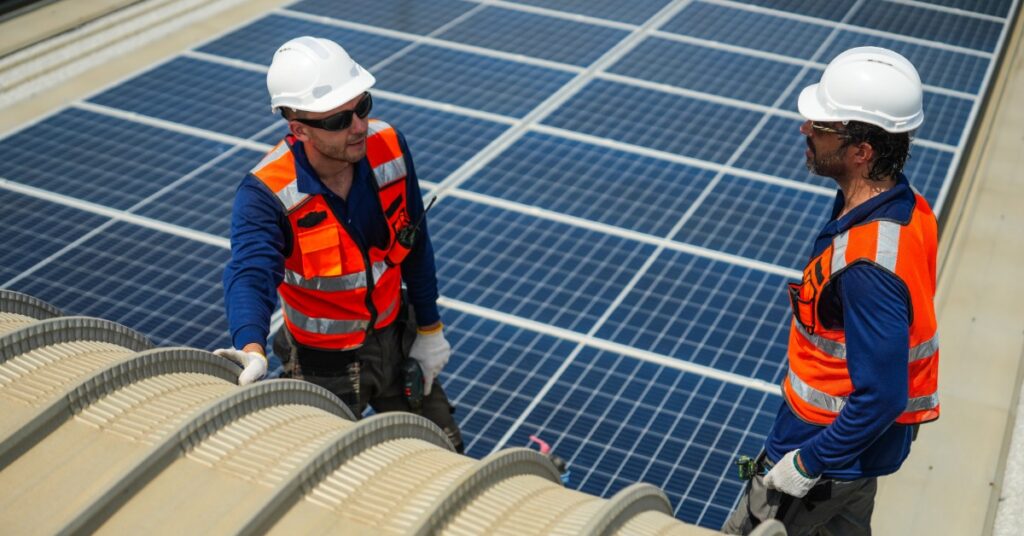
Unexpected electricity rate increases can complicate financial plans for warehouse operators. Even a modest change in utility prices can have a substantial effect on businesses with high electricity consumption. Solar energy reduces exposure to these fluctuations because part of the facility’s electricity comes from an independent source.
Investing in premium commercial solar power solutions will create a more predictable financial environment for warehouses with substantial electricity requirements. Business owners can estimate future electricity expenses with greater confidence when they understand their expected solar production. This financial stability supports more accurate budgets and allows companies to make informed decisions about future investments.
Increase the Appeal of Your Commercial Property
Commercial property owners must consider how operational expenses influence the attractiveness of their investments. A warehouse with solar infrastructure may appeal to potential buyers who want greater control over future electricity costs. The presence of a professionally installed system can distinguish the property from comparable facilities without renewable energy infrastructure.
This advantage can also influence commercial lease decisions. Businesses that rent warehouse space often evaluate expected utility expenses before committing to a property. Access to solar electricity may make a facility more attractive when the lease structure allows tenants to benefit from reduced electricity purchases.
Reduce the Environmental Impact of Warehouse Operations
Warehouses consume substantial electricity throughout the year, particularly when operations depend on extensive electrical infrastructure. Electricity produced from conventional fossil fuel sources contributes to greenhouse gas emissions. Solar panels provide an alternative source of power that produces no direct emissions during normal electricity generation.
A commercial solar installation can demonstrate a company’s commitment to environmental responsibility through measurable electricity production. Rather than rely on broad sustainability promises, businesses can document how much renewable electricity their facilities generate. These records provide useful evidence of environmental progress and support more accurate corporate sustainability assessments.
Improve the Financial Return on Your Energy Investment
A commercial solar installation represents a significant financial decision. The initial expense may appear substantial, but electricity savings can help recover that investment throughout the system’s operational life. Warehouse owners must evaluate the expected financial return based on actual electricity consumption rather than general estimates.
Available financial incentives may also affect the project’s overall cost. Certain commercial solar installations can qualify for tax benefits under applicable regulations, although eligibility depends on specific project requirements. A professional financial evaluation helps businesses establish realistic expectations before committing resources to a new solar system.
Gain Greater Control Over Your Electricity Supply
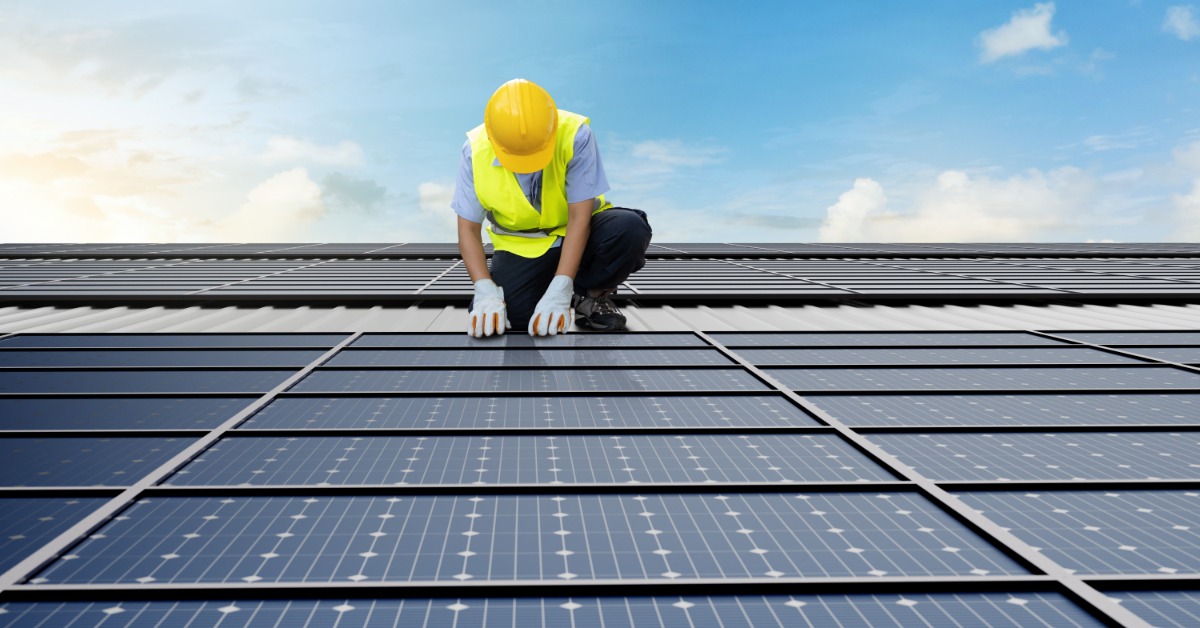
Warehouses traditionally depend on utility companies to provide the electricity necessary for daily operations. This dependence exposes businesses to external factors that can influence electricity expenses. Solar panels allow a facility to generate part of its required power independently, reducing its reliance on purchased electricity.
However, solar infrastructure does not automatically protect a warehouse from power outages. Conventional grid-connected systems generally disconnect during utility failures unless they include appropriate backup capabilities. Businesses that require additional electrical resilience can evaluate compatible battery storage systems as part of their broader energy strategy.
Make Warehouse Operations More Energy Efficient
One of the main benefits of solar installation on your warehouse is that it provides an opportunity to examine electricity consumption. Many businesses understand their monthly utility expenses without fully recognizing how operational patterns affect overall energy demand. A detailed assessment can reveal whether the facility uses electricity efficiently throughout its regular workday.
Modern solar systems can provide valuable information about electricity production. Warehouse operators can compare this information with actual consumption records to evaluate how effectively the facility uses available solar power. These insights support informed decisions about future electrical improvements without unnecessary expenses.
Prepare Your Warehouse for Future Business Expansion
Business growth can place additional demands on a warehouse’s electrical infrastructure. As operations expand, electricity consumption may increase beyond the facility’s original requirements. Without adequate preparation, these changes can create unexpected expenses and complicate future improvements.
Solar infrastructure can support expansion plans when the initial project accounts for potential changes in electricity demand. Professional installers can evaluate whether the existing roof and electrical infrastructure could accommodate additional solar capacity. This preparation allows warehouse owners to consider future growth without purchasing equipment before their operations require it.
Strengthen Your Business Reputation and Market Position
Commercial customers increasingly evaluate the environmental practices of companies before establishing business relationships. A warehouse that generates renewable electricity can demonstrate a measurable commitment to more responsible energy consumption. This approach may appeal to organizations that consider environmental performance an important part of their commercial partnerships.
Solar power can also influence how a company manages its operational finances. Reduced electricity expenses may provide additional financial flexibility that supports future business decisions. When the investment delivers reliable performance, renewable energy can become a valuable part of the company’s broader competitive strategy.
Solar energy offers warehouse owners an opportunity to reconsider how their facilities obtain electricity. Rather than depend entirely on conventional utility services, businesses can generate power directly from available sunlight. This transition can create meaningful financial advantages when the installation reflects the warehouse’s actual electricity requirements.
At Go Solar Power, we provide commercial solar power solutions tailored to your warehouse’s specific energy requirements. Our professional approach helps businesses identify the right solar system to reduce electricity expenses and support future operational needs. With our expertise and commitment to quality, we can help you make a confident investment in your warehouse’s energy future.