Solar energy systems represent a major investment that delivers clean electricity, long-term savings, and energy independence. Homeowners and businesses expect these systems to perform reliably for decades under diverse environmental conditions. Understanding the lifespan of critical solar electricity system components helps owners plan maintenance, protect performance, and maximize financial returns.
A solar electric system contains interconnected parts that must operate together with precision and stability. Panels capture sunlight, inverters convert power, batteries store excess energy, and racking secures the entire array. Each component faces environmental stress, electrical load, and gradual material wear over time.
When system owners understand expected service life, they can make informed decisions about inspection, repair, and eventual replacement. Clear expectations also reduce uncertainty about long-term energy production and overall system value.
Solar Panels and Module Performance
Solar panels form the foundation of any residential or commercial solar electric system installed today across diverse climate conditions worldwide. Most high-quality panels carry performance warranties that extend twenty-five years or longer under standard operating assumptions. Manufacturers design modules with tempered glass, aluminum frames, and sealed cells that resist moisture, corrosion, and thermal stress.
Over time, panels experience a gradual output reduction known as degradation that occurs at predictable annual rates. Typical degradation ranges from half a percent to one percent per year under normal exposure conditions. After twenty-five years, many panels still produce more than eighty percent of their original rated capacity.
Inverters and Power Conversion Equipment
Inverters convert direct current from panels into usable alternating current for homes and businesses. This component operates continuously during daylight hours and handles variable voltage from changing sunlight conditions. Most string inverters last ten to fifteen years before replacement becomes necessary under typical residential usage patterns.
Microinverters and power optimizers often offer longer warranties that match panel coverage periods. Advanced electronics and thermal management features extend service life despite exposure to heat and electrical load. Proper ventilation, surge protection, and routine inspection support reliable inverter performance throughout expected operational years.
Battery Storage Systems
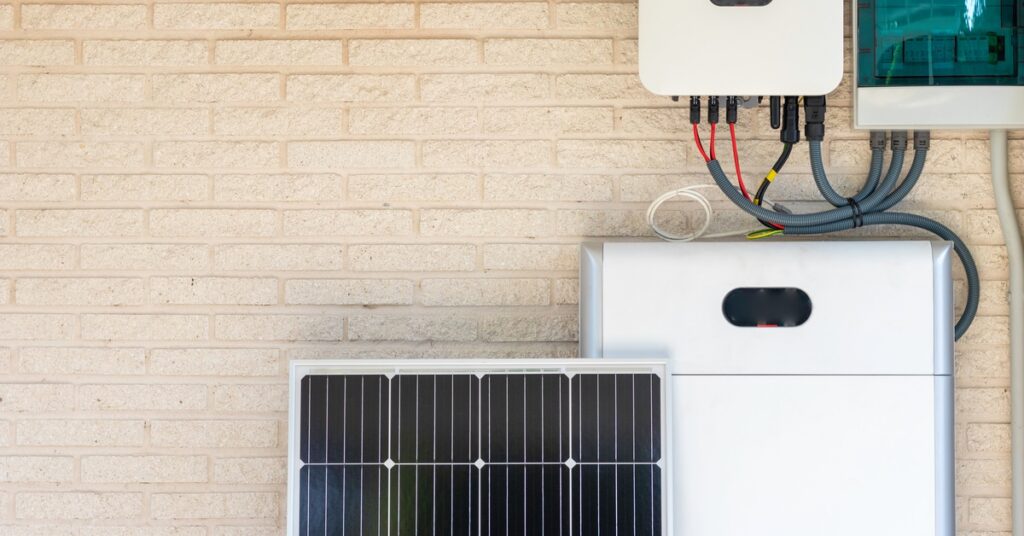
Battery storage systems store excess solar energy for later use during peak demand periods. Lithium-iron batteries dominate the residential market due to high energy density and long cycle life. Most modern battery systems last ten to fifteen years, depending on usage patterns and depth of discharge.
Frequent deep discharge cycles can shorten battery lifespan compared to moderate daily cycling patterns. Manufacturers provide cycle ratings that estimate total charge and discharge events before capacity declines significantly. Temperature control, proper installation, and manufacturer-recommended settings protect battery health over extended service periods.
Mounting and Racking Structures
Mounting systems secure solar panels to rooftops or ground-based structures with structural integrity. These components use aluminum or galvanized steel to resist corrosion from moisture and environmental exposure. Properly installed racking often lasts twenty-five years or longer with minimal structural degradation.
Weather exposure, coastal salt air, and heavy snow loads can influence structural longevity. Engineers design mounting systems to meet local building codes and withstand regional wind conditions. Periodic inspection ensures bolts remain secure and flashing maintains watertight seals around roof penetrations.
Electrical Wiring and Connectors
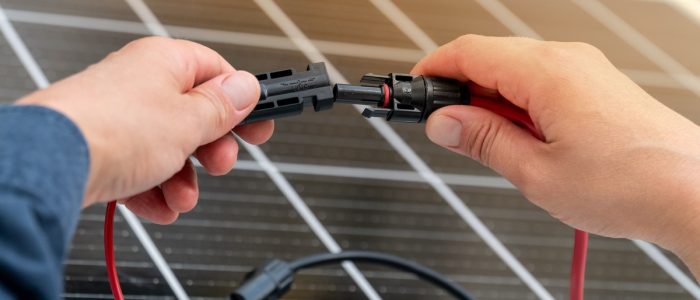
Electrical wiring connects panels, inverters, batteries, and service panels into a unified system. High-quality copper conductors and weather-resistant insulation protect circuits from ultraviolet radiation and temperature variation. Properly rated wiring can last several decades when installed according to electrical code requirements.
Connectors and junction boxes require secure sealing to prevent moisture intrusion and corrosion. Loose connections can cause resistance, heat buildup, and potential performance loss over time. Regular professional inspection identifies wear, discoloration, or insulation cracks before significant electrical issues develop.
Monitoring and Control Systems
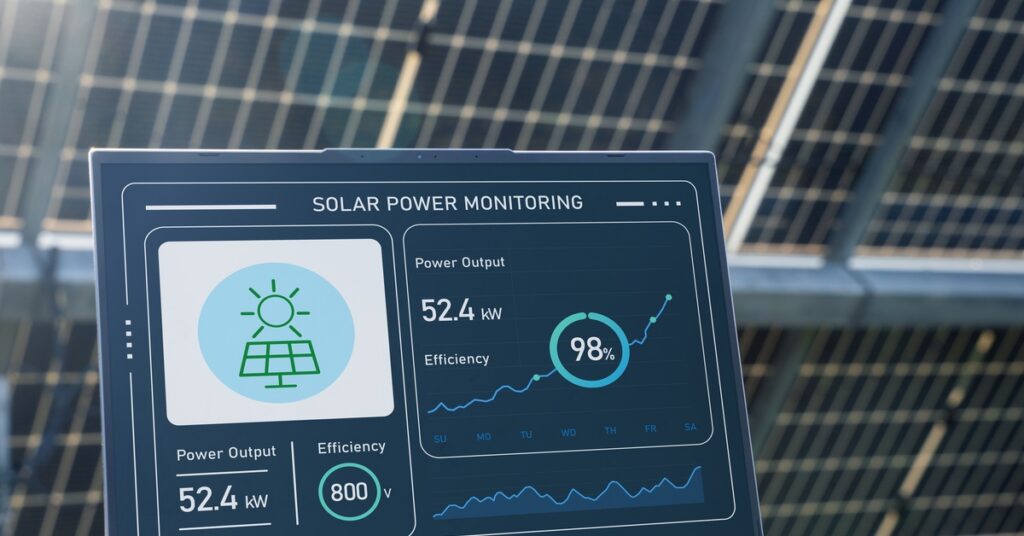
Monitoring systems track solar production, system health, and energy consumption patterns in real time. These digital platforms rely on sensors, communication hardware, and software interfaces for accurate data reporting. Hardware components typically last ten to fifteen years, while software updates extend functional relevance.
Stable internet connectivity and firmware updates help maintain accurate performance reporting over extended periods. Control systems may require occasional hardware replacement as technology evolves and compatibility standards advance. Reliable monitoring supports proactive maintenance and preserves optimal system efficiency throughout operational life.
Energy Backup
Energy storage enhances grid reliability and provides backup power during outages or service disruptions. A Powerwall stores excess solar energy and supplies electricity when utility service becomes unavailable. Most units offer ten-year warranties that reflect expected cycle life and performance standards.
Backup capability reduces dependence on the utility grid and stabilizes household energy availability. During peak demand events, stored energy can offset higher utility rates and reduce overall electricity costs. Integration with solar panels and inverters requires professional configuration to ensure safe, code-compliant operation.
Environmental Factors and System Longevity
Climate conditions significantly influence the lifespan of solar electric system components over time. High heat, humidity, salt exposure, and dust accumulation can accelerate material wear and electrical degradation. Designers account for regional weather patterns when selecting equipment rated for specific environmental stress factors.
Snow loads and wind events place structural stress on mounting systems and panel frames. Proper site assessment and engineering calculations reduce the risk of premature component failure. Routine cleaning and inspection mitigate environmental impact and preserve consistent energy production levels.
Maintenance and Inspection Practices
Routine maintenance is acritical component of the lifespan of solar electric systems because it protects long-term performance across all major components. Professional inspections identify minor issues before they escalate into costly repairs or unexpected downtime. Owners should schedule periodic evaluations that include electrical testing and structural assessment.
Cleaning panels to remove debris supports consistent sunlight absorption and stable output levels. Inspection of wiring, connectors, and mounting hardware ensures secure connections and structural integrity. Documented service records also support warranty claims and protect overall investment value.
Planning for Replacement and System Upgrades
Even durable components eventually require replacement after years of reliable service and gradual wear. Inverters and batteries often need earlier replacement compared to panels and mounting systems. Planning for these milestones helps owners budget effectively and avoid unexpected financial strain.
Technological advancements may offer improved efficiency or expanded storage capacity during replacement cycles. Strategic upgrades can enhance overall system performance and adapt to evolving household energy needs. Working with a professional solar power solutions company is the best way to ensure proper equipment selection and long-term system reliability.
A solar electric system delivers dependable, clean energy when each component performs within its expected lifespan. Panels, inverters, batteries, wiring, and structural elements each contribute to overall durability and financial return. Clear knowledge of service life allows owners to plan maintenance, anticipate replacement, and protect system value.
Environmental conditions, installation quality, and routine inspection all influence how long equipment performs at optimal levels. Proactive care reduces risk, supports consistent output, and strengthens confidence in renewable energy investments. With informed planning and professional support, solar electric systems can provide stable performance for decades.