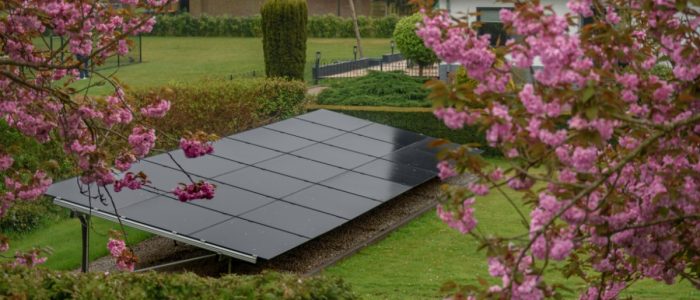
Ground-mounted solar systems offer homeowners flexible placement options across open land, which improve energy capture and performance overall reliability. These systems stand apart from rooftop arrays because they allow optimal tilt and orientation without structural limits from roofs or shading obstacles. As utility prices rise with increased demand across regions, many households seek stable long-term energy costs through solar adoption strategies.
With this look at ground-mounted residential solar power systems, homeowners can evaluate options based on land availability, energy needs, and budget expectations. Ground installations often deliver higher efficiency due to airflow and adjustable angles, which support consistent production across seasonal weather patterns. With energy markets showing volatility, predictable solar output can help offset rate fluctuations and provide financial clarity for years ahead.
Understanding Ground-Mounted Solar Systems
Ground mounted solar systems consist of photovoltaic arrays installed on frames anchored directly into soil or concrete foundations across residential land areas. These systems operate similarly to rooftop panels but offer more flexibility for placement, orientation, and tilt adjustments that improve energy production. Homeowners often select this option when roofs face shading, structural issues, or insufficient space for effective solar energy generation.
Installers design layouts based on sun path analysis, land slope, and soil conditions to ensure maximum exposure and long-term structural stability. Proper placement enhances performance while minimizing environmental disruption and preserving available yard space for other uses or landscaping preferences. System configurations vary depending on property size, energy goals, and local regulations that govern residential solar installations.
Benefits of Flexible Placement Options
Flexible placement stands out as one of the most appealing advantages of ground-mounted solar systems. These benefits allow homeowners to design systems that perform efficiently while preserving aesthetics and structural integrity:
- Optimized Sun Exposure: Panels can go in areas with the highest sunlight availability, avoiding shade from trees, buildings, or roof obstructions.
- Improved Energy Efficiency: Better positioning and adjustable angles help increase overall energy production and create more consistent output throughout the year.
- Preservation of Roof Structure: Ground installation removes the need for roof alterations, reducing concerns about structural stress, leaks, or long-term wear.
- Enhanced Aesthetic Control: Systems in less visible areas maintain the visual appeal of the home and surrounding landscape.
- Adaptability to Property Layout: Systems can fit unique land features, slopes, or open spaces for better integration with the property.
Installation Process and Site Preparation
Installation begins with a site evaluation that includes soil testing, sun exposure analysis, and local permit requirements to ensure compliance with regulations. Contractors prepare land by leveling surfaces and installing mounting structures that provide stable support for panels across various weather conditions. Proper groundwork ensures durability and reduces the risk of shifting or damage over time.
After preparation, technicians mount panels onto frames and connect electrical components that link the system to household energy infrastructure. Inspection processes verify safety standards and confirm proper operation before activation and integration with utility systems or storage solutions. Careful planning and execution result in efficient installations that deliver reliable performance over many years.
Cost Considerations and Financial Outlook
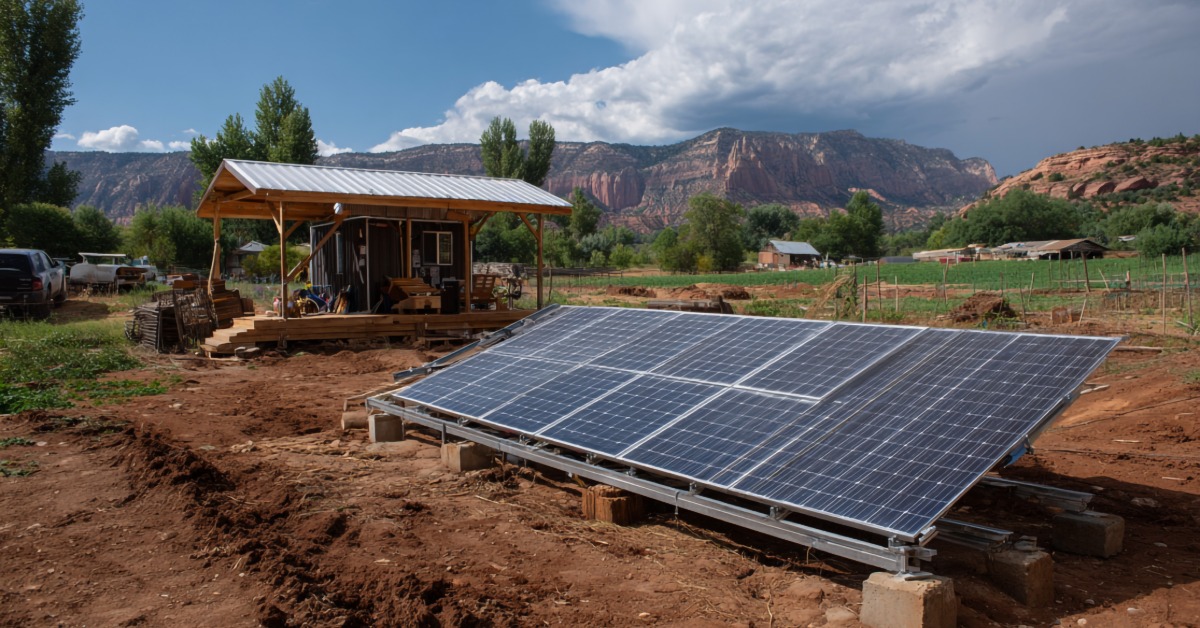
Ground-mounted systems often require a higher initial investment compared to rooftop installations due to additional materials, labor, and site preparation requirements. Despite upfront costs, many homeowners achieve favorable returns through reduced electricity bills and available incentives that support renewable energy adoption. Financial planning should consider long-term savings and potential increases in property value associated with solar installations.
Return on investment timelines vary based on system size, location, energy usage, and local utility rates that continue to rise due to demand pressures. Many households experience payback periods within several years while enjoying consistent savings afterward through reduced reliance on grid electricity. Stable energy costs protect against unpredictable rate increases that affect traditional utility services.
Energy Efficiency and Output Optimization
Optimizing energy output depends on proper panel orientation, tilt angle, and spacing that prevent shading and maximize exposure throughout daylight hours. Ground-mounted systems allow precise adjustments that enhance efficiency and support higher energy yields compared to fixed rooftop installations. These improvements contribute to faster payback periods and better long-term performance.
Monitoring systems track energy production and help homeowners identify performance trends or potential issues that require attention or maintenance. Regular system checks ensure components function correctly and maintain expected output levels across different environmental conditions and seasonal variations. Efficient systems deliver consistent power that meets household energy demands effectively.
Maintenance and Long-Term Reliability
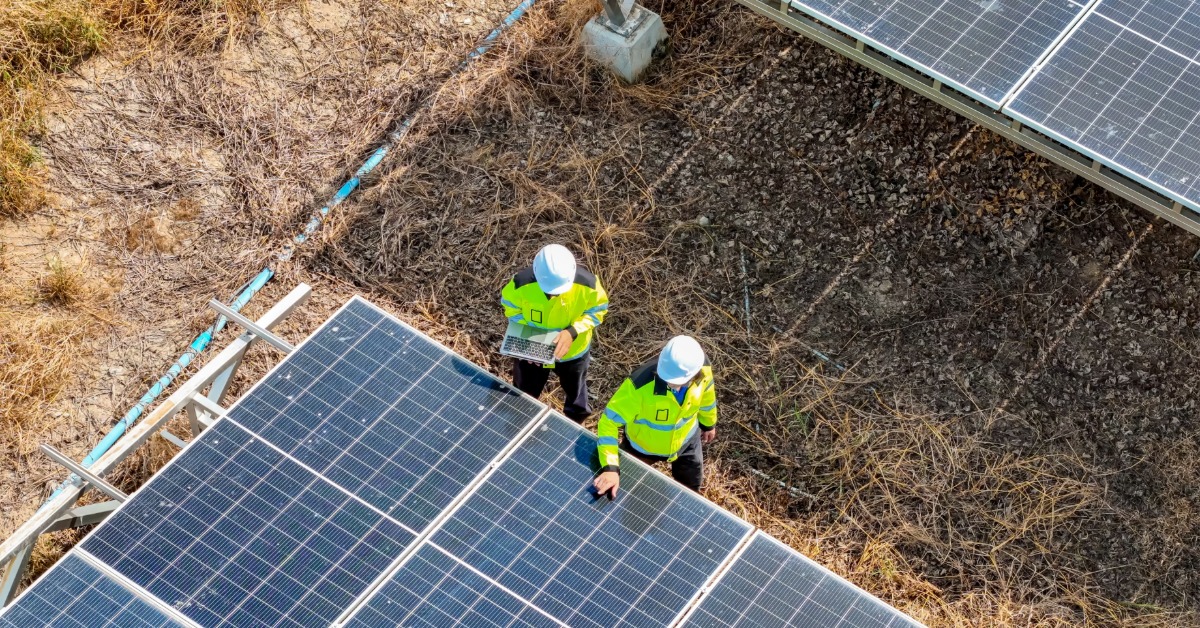
Maintenance remains straightforward due to easy access to panels and components without the need for specialized equipment or roof access procedures. Homeowners can clean panels, inspect wiring, and address minor issues with minimal effort or assistance from service providers. Regular upkeep helps maintain efficiency and prolongs system lifespan across many years of operation.
Durable materials and robust mounting structures ensure systems withstand weather conditions such as wind, rain, and snow without significant performance loss. Reliable construction reduces repair costs and enhances confidence in energy production capabilities across varying environmental conditions. Consistent maintenance practices support sustained system reliability and value.
Environmental Impact and Sustainability
Ground-mounted solar systems contribute to reduced carbon emissions and support the transition toward renewable energy sources that decrease dependence on fossil fuels. Clean energy generation helps lower environmental impact while supporting broader efforts to address climate challenges and resource conservation goals. Residential adoption plays a significant role in collective sustainability initiatives.
Land use considerations remain important to ensure installations do not disrupt ecosystems or reduce available space for other essential purposes. Thoughtful design allows coexistence with vegetation or agricultural activities that preserve land productivity and ecological balance. Sustainable practices enhance environmental benefits and the viability of solar projects.
Professional Installation and Expertise
Selecting qualified installers ensures proper system design, safe installation, and optimal performance that aligns with household energy needs and property conditions. Experienced professionals evaluate site characteristics and recommend solutions that maximize efficiency and reliability across different scenarios. Their expertise reduces risks and enhances overall system effectiveness.
Working with professionals in PV panel installation is one of the best strategies to ensure reliable performance, safety compliance, and efficient energy production over time. Skilled technicians handle complex tasks and provide support that enhances system durability and long-term value for homeowners. Professional involvement contributes to successful project outcomes and sustained satisfaction.
Future Trends and Energy Independence
Advancements in solar technology continue to improve efficiency, reduce costs, and expand accessibility for residential applications across diverse geographic regions. Innovations in storage solutions and smart energy management systems enhance independence from traditional utility providers and support greater control over energy usage. These developments strengthen the role of solar systems in modern households.
Growing demand for renewable energy reflects increasing awareness of environmental impact and desire for stable, predictable energy costs. Ground-mounted systems remain a strong option for homeowners seeking flexibility and scalability that align with future energy needs. Continued progress supports broader adoption and sustainability goals.
Ground-mounted residential solar systems offer flexible, efficient, and reliable solutions for homeowners seeking alternatives to traditional energy sources and rising utility expenses. Their ability to adapt to property conditions and deliver strong performance makes them attractive options for energy planning and financial stability. With careful planning and professional support, these systems provide lasting benefits that extend beyond immediate cost savings.