
Modern commercial facilities face constant pressure to control energy expenses while maintaining reliable operations across diverse electrical systems and infrastructure demands. Three-phase power systems provide consistent energy distribution and support high-capacity equipment, making them ideal for integration with commercial solar solutions. As utility rates increase due to rising demand, businesses seek stable alternatives that protect margins and deliver measurable financial returns over time.
Commercial solar integration paired with three-phase power systems offers a structured path toward energy independence and long-term savings for organizations. With available tax credits and incentives, companies can offset upfront costs while improving operational efficiency and sustainability performance across facilities. This combination allows organizations to align financial goals with energy strategies while maintaining flexibility and resilience in evolving market conditions.
Commercial Solar Integration Basics
Commercial solar systems convert sunlight into usable electricity that integrates with existing electrical systems to offset grid consumption and lower operating costs. Panels connect to inverters that transform direct current into alternating current compatible with three-phase systems used in most facilities. Proper design ensures that solar output aligns with daily load profiles, maximizing energy use onsite instead of exporting excess power.
Integration also requires coordination with utility interconnection standards, ensuring safe operation and compliance with local regulations across jurisdictions. Engineers assess load patterns and infrastructure capacity to determine optimal system size and placement for effective performance. These considerations help businesses capture value from solar investments while maintaining reliable energy delivery throughout operational cycles.
ROI Timelines for Commercial Solar
Return on investment for commercial solar depends on installation costs, energy savings, and available incentives that reduce the upfront financial burden significantly. Many projects achieve payback within several years as avoided utility costs accumulate and system performance remains consistent over a long service life. Three-phase compatibility enhances efficiency, allowing systems to operate at scale and accelerate financial returns through improved energy utilization.
Financial models consider depreciation benefits, tax credits, and financing structures that influence cash flow and overall project viability across different industries. Businesses often evaluate scenarios based on conservative energy price projections to ensure resilience against market uncertainty and demand fluctuations. With careful planning, solar investments deliver predictable returns and support strategic financial objectives for commercial operations.
Managing Rising Utility Costs
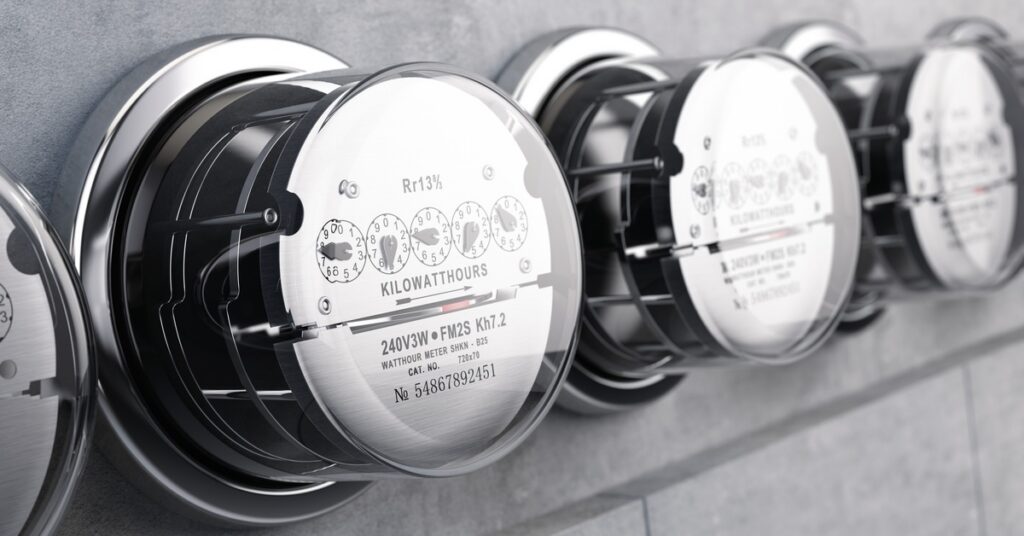
Utility costs continue to rise due to increased demand, infrastructure upgrades, and fuel price volatility that affect electricity pricing across many regions. Commercial solar offers a hedge against these increases, allowing businesses to generate a portion of their energy onsite and reduce dependence on external suppliers. Three-phase systems enhance this benefit through efficient distribution and reduced losses during energy transfer within facilities.
As demand grows, utilities may implement higher rates during peak periods, placing additional financial pressure on energy-intensive operations. Solar systems help offset these peak charges, especially when paired with load management strategies that align production with consumption patterns. This approach supports cost control and provides greater predictability in budgeting for operational expenses.
Role of Commercial Tax Credits
Tax incentives play a major role in improving the financial outlook of commercial solar projects by reducing initial capital requirements for businesses. Federal and state programs offer credits and depreciation benefits that lower taxable income and accelerate return on investment timelines. These incentives make solar adoption more accessible and encourage companies to invest in clean energy infrastructure for sustained economic benefits.
Eligibility depends on system ownership, installation timing, and compliance with program requirements that vary across jurisdictions and policy frameworks. Businesses often work with advisors to structure projects in ways that maximize available incentives while maintaining compliance with applicable regulations. This strategic approach enhances project value and supports broader adoption of renewable energy solutions within commercial sectors.
System Design and Load Balance
Effective system design ensures that solar generation aligns with facility demand and integrates seamlessly with three-phase electrical infrastructure for optimal performance. Engineers analyze load distribution across phases to prevent imbalance that could reduce efficiency or damage sensitive equipment within the facility. Proper design also considers future expansion, allowing businesses to scale systems as energy needs evolve over time.
Load balance plays a key role in maintaining system stability and maximizing the benefits of solar integration within commercial operations. Balanced loads reduce stress on electrical components and improve the overall efficiency of energy distribution throughout the facility. This careful planning supports reliability and ensures that solar systems deliver consistent value across changing operational conditions.
Professional Expertise and Project Success
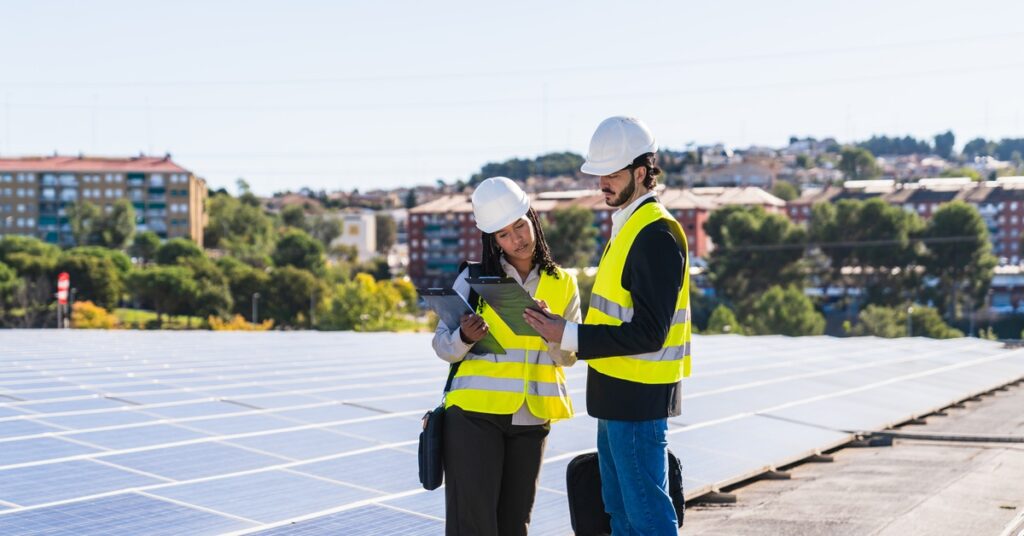
Successful solar integration depends on expertise in electrical systems, regulatory requirements, and financial planning to ensure projects meet performance and compliance standards. Experienced professionals assess site conditions, design systems, and oversee installation to deliver reliable outcomes for commercial clients. Their knowledge helps avoid common pitfalls and ensures that systems operate efficiently within complex energy environments.
Working with professionals in commercial solar power solutions will ensure projects meet technical standards and deliver expected financial and operational benefits. Skilled teams coordinate with utilities, manage permits, and optimize system performance for success across diverse commercial applications. This expertise supports confident decision-making and helps businesses achieve sustainable energy goals with reduced risk.
Maintenance and System Longevity
Commercial solar systems require routine inspection and maintenance to ensure optimal performance and extend equipment lifespan across years of operation. Maintenance tasks include cleaning panels, checking electrical connections, and monitoring system output to detect potential issues early. Three-phase systems benefit from balanced loads that reduce wear on components and support consistent operation under varying conditions.
Monitoring technology allows operators to track performance metrics and identify deviations that could indicate faults or inefficiencies within the system. Early detection enables timely repairs and minimizes downtime, preserving energy production and financial returns over the system’s lifetime.
Environmental and Business Impact
Commercial solar adoption supports environmental goals by reducing reliance on fossil fuels and lowering greenhouse gas emissions associated with electricity generation. Businesses that invest in solar demonstrate commitment to sustainability, enhancing brand reputation and meeting expectations from stakeholders and customers. Three-phase systems enable efficient integration, ensuring that environmental benefits align with operational performance and reliability.
Beyond environmental impact, solar investments contribute to energy independence and resilience against market volatility and supply disruptions. Companies gain greater control over energy costs and reduce exposure to external factors that influence utility pricing. This combination of benefits supports strategic planning and positions businesses for success in evolving energy markets.
Three-phase power and commercial solar integration create a powerful combination that supports efficiency, reliability, and financial performance across modern business operations. As utility costs rise and demand increases, solar offers a practical solution for cost control and stability. With thoughtful planning, strong incentives, and expert support, businesses can achieve meaningful returns while advancing sustainable energy objectives.