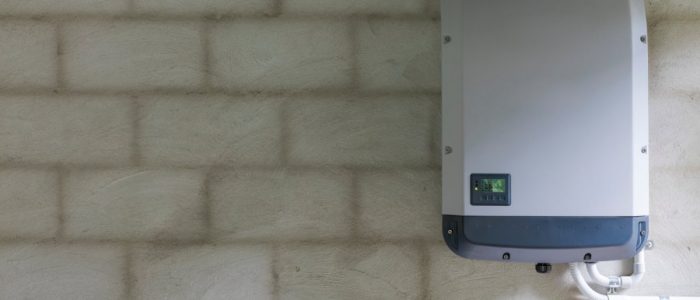
Tesla Powerwall 3 represents a new phase in residential energy storage, with refined hardware, higher output, and improved system integration. Energy storage has moved from a niche interest to a central component of distributed power systems across residential and commercial sectors.
This new Powerwall builds upon earlier designs with higher inverter capacity and stronger grid support capability during outages. This guide on the technical specifications of the Powerwall 3 allows owners to assess suitability, compliance benefits, and financial returns with clarity and confidence.
Battery Capacity and Usable Energy
Powerwall 3 offers a rated energy capacity that supports extended backup duration across essential household loads during grid outages or peak demand periods. Usable energy aligns closely with nominal capacity, with minimal reserve requirements that maximize available discharge for home consumption under normal conditions. This configuration supports efficient cycling patterns that maintain performance consistency while supporting daily energy offset goals across varied climate conditions.
Battery chemistry focuses on lithium iron phosphate architecture, known for thermal stability, cycle durability, and reduced risk compared with alternative lithium compositions. This chemistry allows higher cycle counts without major degradation, enabling consistent performance over many years under standard usage profiles. Stable operation across temperature ranges supports installation flexibility without heavy dependence on climate control systems in most residential or light commercial environments.
Power Output and Load Handling
Powerwall 3 integrates a high-capacity inverter that supports greater continuous and peak power output than earlier models in the series. This increase allows the operation of large appliances, HVAC systems, and critical circuits without frequent load shedding during outage scenarios or peak usage windows. Strong surge capability ensures reliable startup of motors and compressors that demand high initial current under standard household conditions.
Higher output reduces the need for multiple units in moderate energy demand scenarios, lowering installation complexity and overall system cost for many users. Load management features allow prioritization of circuits, ensuring essential services maintain operation even during extended outages or constrained energy supply periods. This approach enhances resilience and user control across a wide range of residential and small commercial applications.
Integrated Inverter Architecture
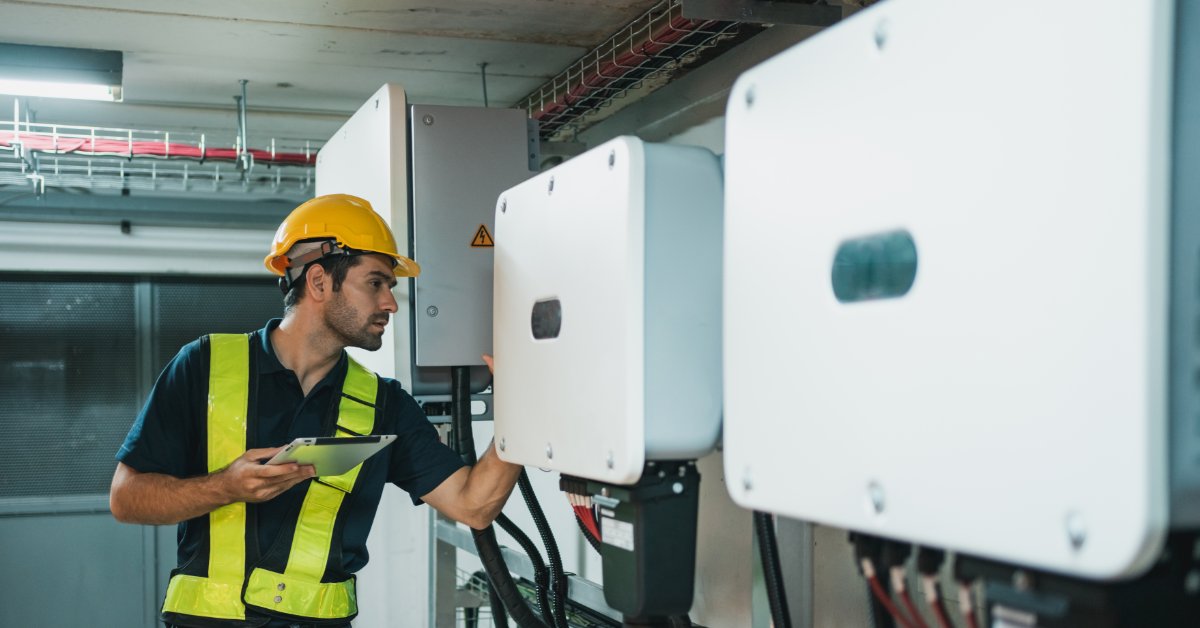
Powerwall 3 includes an integrated inverter design that eliminates the need for separate inverter hardware in many installations, simplifying system layout. This design reduces component count, streamlines wiring paths, and supports faster installation timelines with fewer failure points across the system architecture. Integrated conversion also improves efficiency across charge and discharge cycles, preserving more energy for end use.
The inverter supports grid-tied and backup modes, enabling seamless transition during outages without manual intervention or external switching devices. Advanced control systems monitor grid conditions, battery status, and load demand to optimize performance under changing conditions throughout daily operation cycles. This architecture supports consistent performance with minimal user oversight, enhancing reliability and ease of use.
Efficiency and Round-Trip Performance
Round-trip efficiency remains a key metric for storage systems, reflecting how much stored energy returns for actual use after conversion losses. Powerwall 3 delivers strong efficiency figures, minimizing energy loss during charge and discharge cycles across typical residential use scenarios. High efficiency contributes to better financial returns, as more solar-generated energy offsets grid consumption over time.
Thermal management supports consistent efficiency by maintaining optimal operating temperature ranges across varying environmental conditions without excessive auxiliary power consumption. Passive and active cooling elements work together to preserve cell health and sustain performance across extended usage cycles throughout the year. This balance supports stable efficiency without excessive complexity or maintenance demands.
Scalability and System Expansion
Powerwall 3 supports modular expansion, allowing users to add units as energy demand grows or as budget allows phased investment over time. This flexibility supports residential and light commercial applications where load requirements may change due to property upgrades or operational shifts. Expansion maintains consistent integration through shared control systems and synchronized operation across multiple units.
Scalability also aligns with evolving policy incentives, as additional capacity may qualify for incremental credits or improved project economics under certain regulatory frameworks. Careful planning allows alignment with safe harbor deadlines ahead of July 2026, securing eligibility under current incentive structures. This timing strategy supports cost optimization and regulatory compliance within defined policy windows.
Safety Features and Compliance

One of the most important technical specifications of the Powerwall 3 is that it incorporates multiple safety layers, including cell-level monitoring, thermal protection, and fault isolation mechanisms. These systems detect anomalies such as overcurrent or voltage irregularities and respond with automatic shutdown or load adjustment as required. Compliance with established safety standards ensures compatibility with permitting requirements across many jurisdictions.
The lithium iron phosphate chemistry further enhances safety through reduced thermal runaway risk compared with other lithium battery types used in earlier storage systems. Structural design includes reinforced enclosures that protect internal components from environmental exposure and physical impact under normal installation conditions.
Value Proposition and Energy Independence
Investing in the modern Tesla home solar panels is the best way to achieve reliable energy independence with predictable costs and enhanced resilience. This statement reflects the combined benefits of generation and storage working together within a unified system architecture. Powerwall 3 strengthens this value through improved performance and integration across the full energy ecosystem.
Energy independence reduces exposure to utility rate volatility, grid instability, and outage risks that affect residential comfort and commercial operations. Storage systems provide control over energy usage patterns, allowing users to optimize consumption and reduce peak demand charges where applicable.
Financial Incentives and Tax Credit Considerations
Tax credit availability plays a significant role in overall system economics, particularly for mixed-use properties or small business applications. Federal incentives may allow substantial percentage-based credits on eligible project costs, reducing upfront investment and improving payback timelines under qualifying conditions. State and local programs may provide additional rebates or credits, further enhancing financial outcomes.
Safe harbor timing ahead of July 2026 remains an important consideration for projects that seek to lock in current incentive structures before potential policy changes. Proper documentation and project milestones can secure eligibility even if full installation completes after the defined deadline under certain rules.
Return on Investment and Payback Timelines
Return on investment depends on factors such as electricity rates, solar production levels, system cost, and available incentives across each project scenario. Powerwall 3 improves ROI through higher efficiency and enhanced load coverage that increases the value of stored energy usage. Combined with solar generation, storage can significantly reduce grid reliance and associated utility expenses.
Payback timelines vary, though many systems achieve favorable returns within several years under supportive incentive conditions and high electricity cost regions. Financial modeling should include maintenance expectations, degradation rates, and potential revenue from grid services where available. Careful analysis ensures realistic expectations and informed decision-making for prospective system owners.
Powerwall 3 delivers a comprehensive set of technical improvements that enhance performance, safety, and financial viability for modern energy storage applications. Its integrated design and efficient operation position it as a strong option for residential systems paired with solar generation.
A detailed understanding of specifications allows informed evaluation of system suitability across different property types and energy usage patterns. Powerwall 3 stands as a capable solution within a broader transition toward distributed, resilient, and efficient energy systems.