Solar energy has gained widespread attention as a reliable source of clean power that reduces dependence on fossil fuels across many regions. Homeowners and businesses seek efficient systems that convert sunlight into electricity with minimal loss under various environmental conditions. Among many factors that influence performance, shade stands out as a common challenge that affects energy output in subtle and complex ways.
Understanding how shade affects solar panel efficiency requires attention to panel design, system layout, and the behavior of light across surfaces. Even partial obstruction from trees or buildings can reduce production and alter how energy flows through interconnected modules. Learning about the relationship between shade and solar efficiency will support informed decisions about installation and maintenance.
Nature of Solar Energy Conversion
Solar panels convert sunlight into electricity through photovoltaic cells that respond to light exposure and produce current within a connected circuit. Each panel contains multiple cells arranged to optimize exposure and maintain consistent output under direct sunlight across a wide surface area. When sunlight reaches these cells without obstruction, energy conversion occurs at higher efficiency levels that support stable and predictable system performance.
Shade disrupts this process because it reduces the amount of light that reaches certain cells within a panel or across an array. Reduced exposure leads to lower current flow, and this effect can extend beyond shaded sections due to electrical connections within the system. Even minor shading can create noticeable differences in output that affect total energy generation over time.
Types of Shade and Their Effects
Shade affects solar panel efficiency in different ways depending on its source, duration, and intensity. Understanding the types of shade helps clarify how each one influences energy output and system performance:
- Temporary: Occurs when clouds pass over panels or when objects briefly block sunlight during certain times of the day. This type of shade causes short reductions in energy output but does not usually create lasting performance issues.
- Permanent: Comes from fixed obstructions such as buildings, chimneys, or large trees near the installation site. This shade consistently limits sunlight exposure and leads to ongoing reductions in system efficiency if not addressed during design.
- Partial: Affects only a portion of a panel or array, often due to small obstructions or uneven light distribution. Even limited coverage can reduce output significantly because of how panels connect within electrical circuits.
- Seasonal: Changes with the position of the sun throughout the year, often influenced by tree growth or shifting shadow angles. This variation can impact performance differently across seasons and requires planning during installation.
- Intermittent: Occurs when objects such as moving branches or nearby activity create shifting shadows across panels. This unpredictable pattern can lead to fluctuating energy production and inconsistent system performance.
Impact on Electrical Flow
Solar panels operate within electrical circuits that connect multiple modules, and shade can influence how current flows through these interconnected components. When one section receives less light, it may limit the current that passes through the entire string of panels in series. This restriction reduces overall system efficiency and can create imbalances that affect performance consistency.
Modern systems often include components that address these challenges through advanced design and intelligent energy management features. Devices such as microinverters or power optimizers allow individual panels to operate independently, reducing the negative effects of localized shade. These technologies support improved output even when certain areas experience limited sunlight.
System Layout Considerations
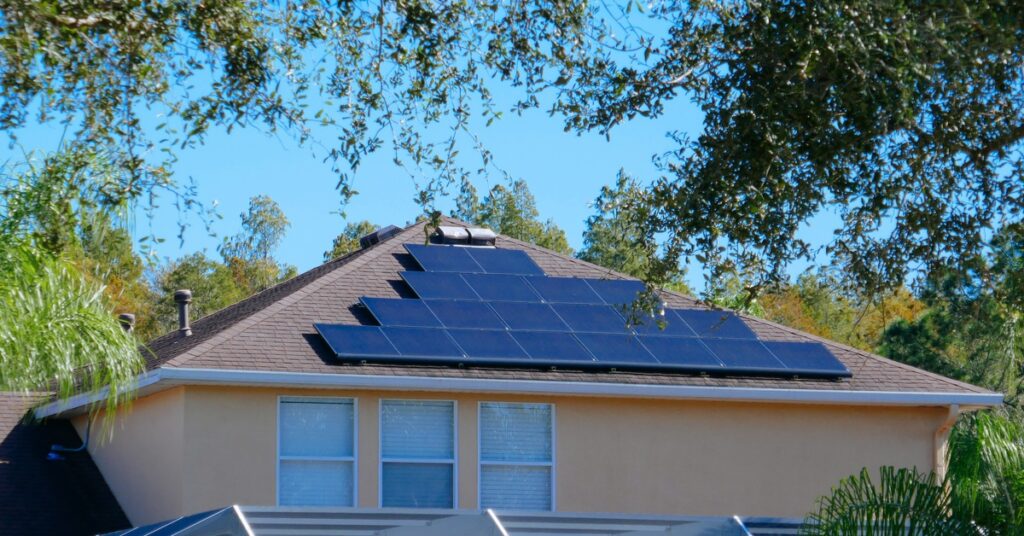
The arrangement of solar panels plays a significant role in how shade affects overall efficiency across a system. Strategic placement can minimize exposure to shadows and ensure that panels receive consistent sunlight throughout the day and across seasons. Proper spacing and orientation reduce the likelihood of shading between panels and from external sources.
Installers often analyze site conditions carefully to identify potential shading risks and determine optimal panel positions. Tools such as solar path analysis help predict how shadows move and interact with the system over time. These insights support layouts that maximize energy production and reduce avoidable losses.
Technological Solutions
Advancements in solar technology provide solutions that address shading challenges and improve overall system performance. Microinverters convert energy at the panel level, allowing each unit to operate independently and maintain output even if nearby panels experience shade. Power optimizers offer similar benefits by adjusting voltage and current for each panel.
These innovations enhance flexibility and allow systems to perform more effectively in environments with partial shading. They also enable better monitoring, which helps owners identify issues and respond quickly to changes in performance. Technology continues to evolve, offering improved options for managing shade in diverse conditions.
Economic Implications
Shade on solar panels can influence the financial return on solar investments by reducing energy output and extending the time required to recover installation costs. Lower efficiency means less electricity generated, which may decrease savings on utility bills over the lifespan of the system. Accurate assessment of shading conditions helps set realistic expectations for performance and returns.
Despite these challenges, proper planning and technology selection can mitigate many financial impacts associated with shading. Systems designed with shading considerations in mind often achieve better efficiency and deliver more consistent energy production. Informed decisions support environmental benefits and economic value for solar adopters.
Installation Expertise and Planning
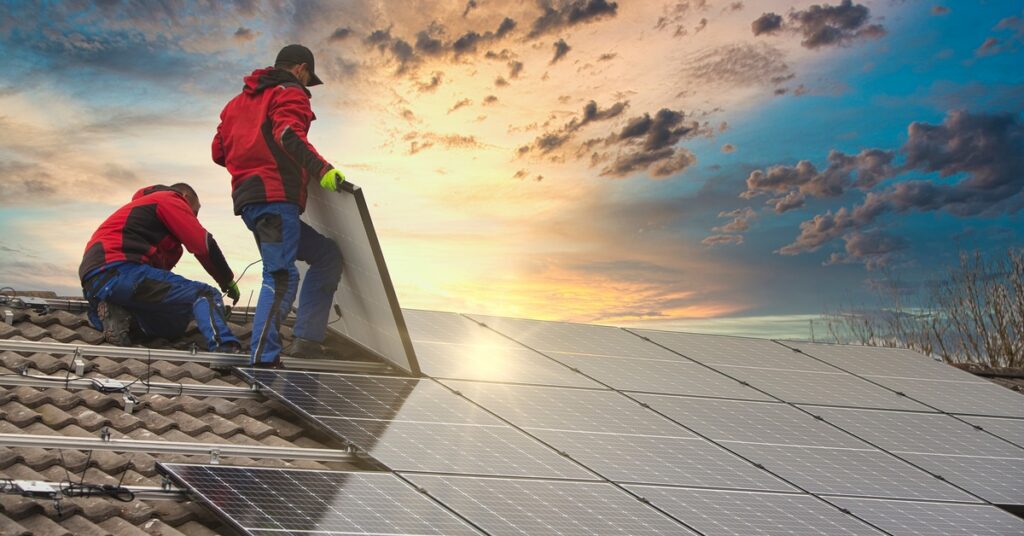
Effective installation requires careful evaluation of site conditions and potential shading factors that may affect performance. Professionals analyze surroundings, assess sunlight exposure, and recommend configurations that reduce shading impact and optimize efficiency. Their expertise ensures that systems operate at high levels despite environmental challenges.
Working with solar service experts for panel installation will help ensure that design choices align with site conditions and support lasting performance. Experienced professionals apply knowledge and tools that enhance efficiency while reducing risks associated with shading and improper placement. Their involvement contributes to reliable energy production and overall system success.
Monitoring and Maintenance Practices
Ongoing monitoring allows system owners to track performance and identify changes that may indicate shading or other issues affecting efficiency. Data from monitoring systems provides insight into energy output patterns and highlights areas that require attention or adjustment. This information supports timely responses that maintain optimal performance.
Scheduled inspections help detect potential problems early and ensure that panels remain clear and functional. Consistent care enhances efficiency and supports system reliability to ensure your home or business receives the necessary energy.
Future Trends and Adaptation
The solar industry continues to develop solutions that improve efficiency and reduce the impact of shading on energy production. Innovations in panel design and system architecture aim to enhance performance under diverse conditions. These advancements support broader adoption of solar energy across different environments.
As technology evolves, systems become more adaptable and capable of maintaining output despite challenges such as partial shading. Continued research and development drive improvements that benefit residential and commercial users. Future progress promises greater efficiency and resilience in solar energy systems.
Shade affects solar panel efficiency through its influence on light exposure, electrical flow, and overall system performance across various conditions and environments. Understanding these effects allows system owners to make informed decisions about design and installation that support optimal energy production. Careful planning and professional expertise can reduce the negative impact of shading and enhance the value of solar investments.