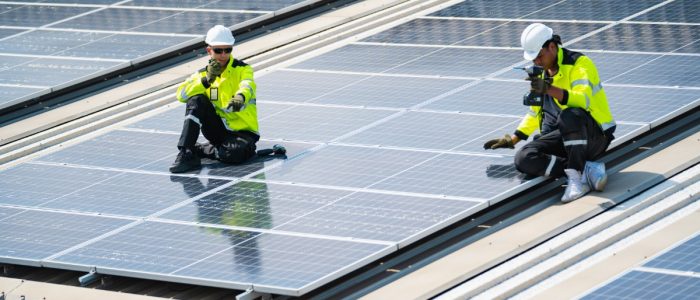
Commercial solar energy offers businesses an opportunity to reduce electricity expenses and make better use of available roof space. For warehouses, industrial facilities, and large commercial properties, rooftop solar systems can transform an otherwise unused surface into a valuable energy resource. Successful installation, though, depends on more than available space and adequate sunlight.
Your building must have the structural capacity to support additional equipment without compromising its safety or performance. Every commercial roof has unique characteristics that influence solar panel placement and overall project feasibility. Understanding these factors before construction begins can help you avoid expensive modifications and unexpected delays.
Large-scale rooftop solar structural considerations require careful coordination between structural engineers and experienced solar installation professionals. Their expertise helps determine whether your existing roof can accommodate the proposed system or requires improvements before installation. With the right preparation, you can establish a reliable foundation for your commercial solar investment and protect your property throughout the system’s service life.
Evaluate Existing Roof Conditions
Before you invest in rooftop solar, examine the current condition of your commercial roof. Existing damage or structural weaknesses can affect the feasibility of your project. A professional roof inspection helps identify potential concerns before they develop into expensive construction problems.
Your roof’s age deserves equal attention. If the existing materials approach the end of their expected service life, consider necessary repairs or replacement before solar installation. Removing an established solar array to address preventable roof problems can create significant expenses and disrupt normal business operations.
Assess Structural Load Capacity
Commercial solar panels introduce additional weight that your roof must safely support. Structural engineers evaluate the capacity of the existing framework to determine whether the proposed system meets applicable safety requirements. Their assessment establishes how much additional weight the structure can accommodate without excessive stress.
Not every commercial building can accommodate the same amount of equipment. Older facilities may require structural reinforcement, particularly when the original roof design did not anticipate additional permanent loads. A detailed engineering assessment helps you understand these limitations and determine whether modifications are necessary before construction begins.
Understand Roof Material Compatibility
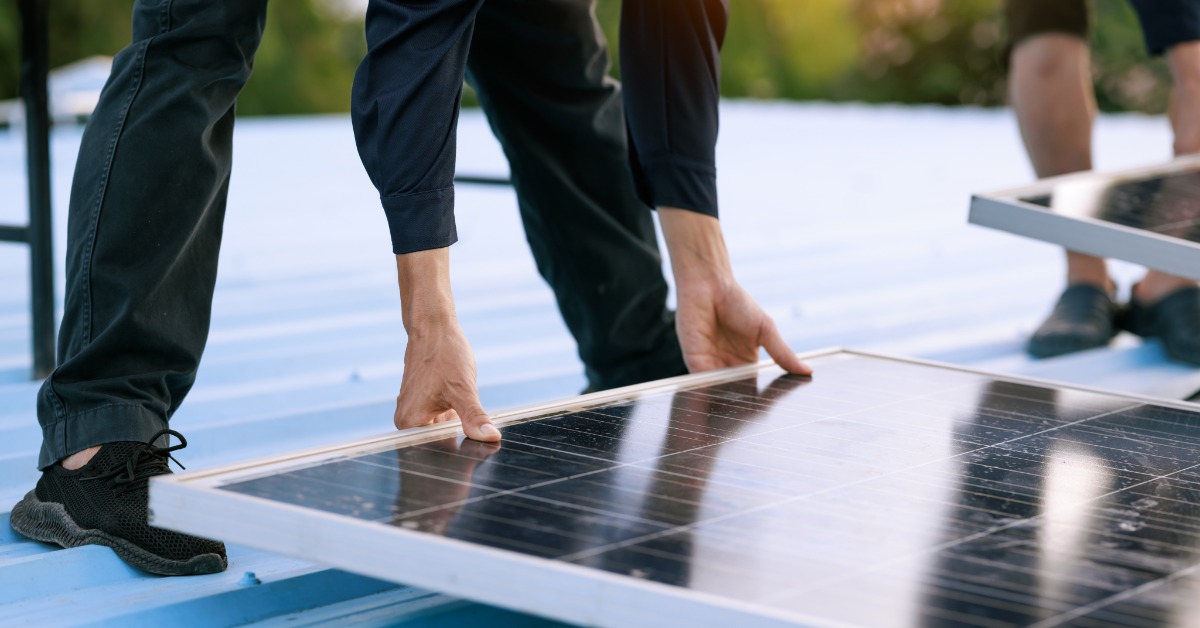
Your roof’s construction materials influence the type of solar installation system appropriate for your property. Different roof surfaces have unique structural characteristics that require specific attachment methods to maintain stability. Selecting compatible equipment helps establish a secure connection without unnecessary damage to the existing roof.
Some commercial roofs accommodate specialized attachment systems that minimize penetrations through the protective surface. Others require mechanical anchors that transfer equipment loads into approved structural members. Your installation team must evaluate these requirements carefully to preserve the roof’s integrity throughout the system’s service life.
Account for Environmental Loads
Your rooftop solar system must withstand environmental forces beyond its own weight. Severe weather can place substantial stress on structural supports and equipment attachments, particularly in regions with extreme climate conditions. Engineers must evaluate these forces before they approve the proposed solar array.
Environmental demands vary considerably between commercial properties. Buildings in hurricane-prone regions may require specialized attachment systems to resist strong wind uplift forces. In colder climates, engineers must account for snow accumulation and uneven weight distribution across the roof to establish appropriate structural requirements.
Plan Effective Panel Distribution
The placement of solar panels affects how additional weight transfers across your roof. An effective layout distributes equipment loads within approved structural limits rather than concentrating excessive pressure on vulnerable sections. Engineers evaluate the proposed arrangement to determine whether the existing framework can support the additional equipment safely.
Existing rooftop equipment also influences the available installation area. Your solar design must accommodate the building’s infrastructure without exceeding the capacity of individual roof sections. Careful coordination helps establish an efficient layout that respects structural limitations and preserves access for essential maintenance activities.
Protect Roof Waterproof Systems
Your commercial roof protects the building from moisture, making waterproof integrity an essential consideration during solar installation. Even minor damage to the roof membrane can allow water to enter areas beneath the panels. These problems may remain unnoticed until moisture affects interior materials or essential equipment.
Attachment methods deserve particular attention because poorly sealed penetrations can create leaks that require expensive repairs. Your installation team should coordinate with roofing specialists to select compatible materials and preserve applicable roof warranty requirements. Proper installation protects the existing roof without compromising the structural security of the solar array.
Consider Drainage System Requirements
Water accumulation can place unnecessary stress on commercial rooftops, particularly when drainage systems become obstructed. Solar panels must not interfere with the roof’s ability to direct rainwater toward designated drains. Excessive water accumulation can increase structural loads and accelerate deterioration in vulnerable areas.
Before installation, examine how water moves across your roof and identify areas susceptible to accumulation. Equipment supports and panel arrangements must preserve drainage paths and provide adequate access for maintenance. Regular inspections can help prevent obstructions and reduce the risk of structural deterioration from excessive water loads.
Coordinate Professional Installation Services
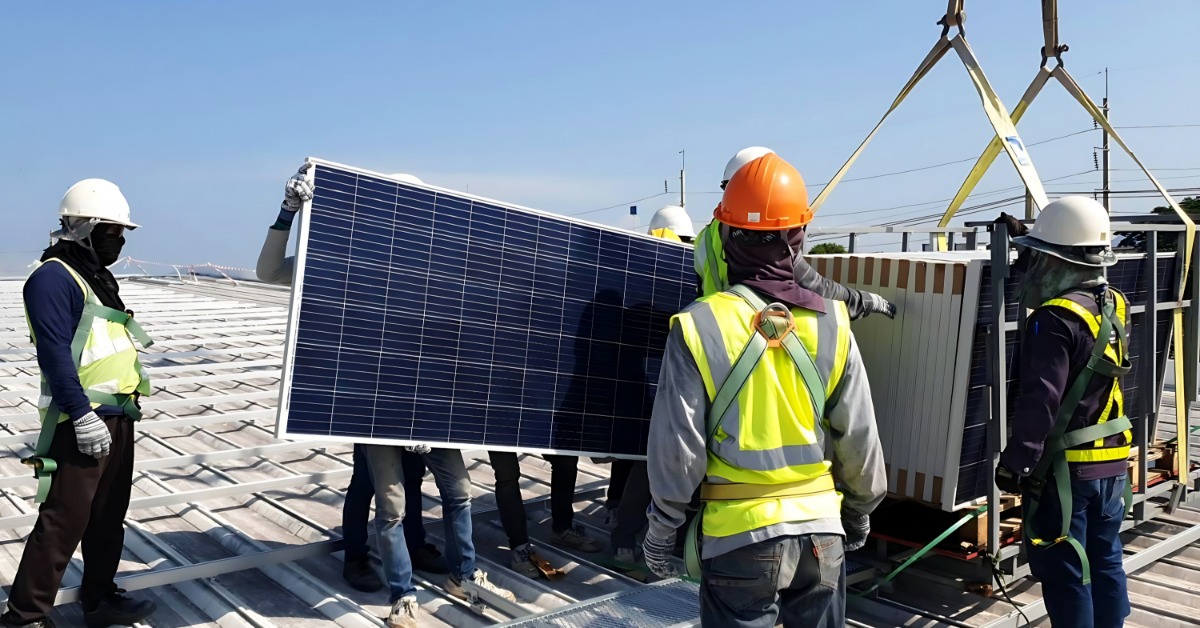
Large-scale commercial solar projects demand technical expertise and careful coordination. Structural requirements can vary substantially between properties, making professional evaluation essential before equipment installation begins. Experienced solar professionals can help you understand how your building’s existing conditions influence the proposed project.
As professional commercial solar panel installers, we can help you assess your property’s solar potential and develop a solution that respects its structural requirements. At Go Solar Power, we offer commercial solar services tailored to your facility’s energy demands and operational needs. Our team can coordinate the technical aspects of your project to help you move forward with confidence.
Maintain Safe Roof Access
A commercial solar installation must preserve adequate access for maintenance personnel and emergency responders. Poor panel placement can restrict movement across the roof and create unnecessary obstacles near essential mechanical equipment. Your installation plan should account for these requirements before construction begins.
Your solar layout should respect applicable fire safety requirements and maintain appropriate clearance around rooftop systems. Technicians need practical access to inspect electrical components and evaluate the roof beneath the panels. Address these requirements during the design phase to avoid expensive adjustments once installation begins.
Prepare for Future Maintenance
Your commercial solar system will require periodic inspections throughout its service life. Structural attachments and roof membranes can deteriorate after prolonged exposure to environmental conditions. Understanding the structural considerations for large-scale rooftop solar helps you establish a maintenance strategy that protects your investment and preserves your building’s integrity.
Establish a maintenance plan that accounts for the solar equipment and the existing roof. Future repairs may require temporary panel removal, particularly when damage occurs beneath the array. Clear documentation and coordination with qualified professionals can make these procedures more manageable and help preserve the structural integrity of your commercial property.
A successful commercial solar project begins with a thorough evaluation of your building’s structural capabilities. Your roof must safely accommodate the proposed equipment without compromising its existing protective functions. Every decision should reflect the unique characteristics of your property and the demands of the proposed solar system.
At Go Solar Power, we understand that commercial solar installations require more than reliable equipment. Our team helps businesses develop solar solutions that respect their operational requirements and the physical characteristics of their facilities. Contact us to discuss your commercial property and take the next step toward a professionally planned rooftop solar project.