A successful residential solar project begins long before the first panel reaches your roof. Every home has different electricity demands, structural characteristics, and sunlight conditions. A thoughtful design process brings these details together to create a solar system that meets your household’s needs.
Solar energy offers homeowners an opportunity to take greater control of their electricity consumption. Selecting the right equipment is only one part of the process. Your system also needs a practical layout, accurate energy calculations, and a design that accounts for your property’s unique features.
Understanding the step-by-step residential solar design workflow helps you make informed decisions throughout your project. From the initial property assessment to final installation, each phase plays a specific role in system performance. Professional solar specialists can help you navigate these technical decisions and develop a solution that fits your home.
Evaluate Your Household Energy Consumption
Before you select solar panels, you need to understand how much electricity your household uses. Review your utility bills from the previous twelve months to identify patterns in your consumption. Pay particular attention to seasonal changes, as air conditioners and heaters can significantly affect your electricity demand.
Your future energy needs deserve equal attention. Perhaps you plan to purchase an electric vehicle or add new appliances that consume more electricity. Share these plans with your solar specialist to help establish a realistic production target that reflects your household’s needs.
Assess Your Roof’s Structural Condition
Your roof plays a major role in the success of your solar project. Before installation, a professional must evaluate its age, structural condition, and available space. An older roof may need repairs or replacement before it can safely accommodate a new solar system.
Roof shape also influences your design options. Chimneys and skylights can limit where panels fit, especially on properties with complex roof layouts. Your solar specialist must account for these obstacles and confirm that the structure can support the proposed equipment.
Analyze Sunlight Exposure Across Your Property
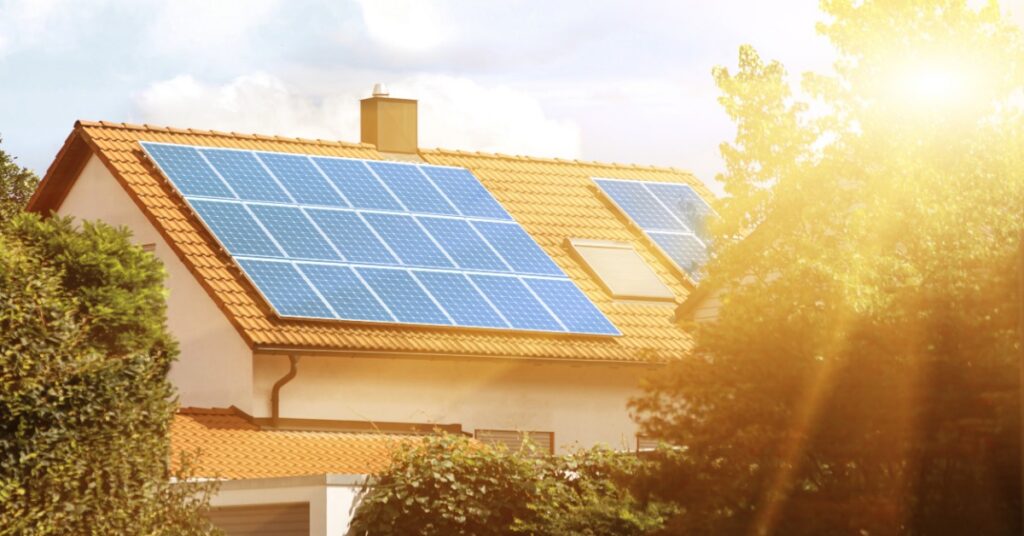
Not every section of your roof receives the same amount of sunlight. Some areas may enjoy direct sun for most of the day, whereas others experience frequent shade. Your solar specialist evaluates these differences to identify suitable locations for the panels.
Nearby trees and buildings can affect solar production more than you might expect. Even a small shadow can reduce the electricity output of certain panel configurations. A professional sunlight assessment helps determine how seasonal changes and surrounding obstacles may influence your system’s annual performance.
Calculate the Appropriate Solar System Size
Once your energy needs and roof conditions are clear, the next step involves system capacity. Solar specialists use your annual electricity consumption and estimated sunlight exposure to calculate the number of panels your home needs. The objective is to establish a system size that supports your household’s electricity goals.
A larger system does not automatically represent a better investment. Excess production may offer limited financial value under certain utility compensation policies. Your specialist should evaluate available roof space and project costs before recommending the final system capacity.
Select the Right Solar Panels and Equipment
Solar panels come in different sizes and configurations. Your specialist must evaluate these characteristics to determine the products that suit your property. Homes with limited roof space may benefit from higher efficiency panels that produce more electricity within a smaller area.
The inverter deserves just as much attention as the panels themselves. This equipment converts solar electricity into a form your household appliances can use. With professional PV panel installation, your home can receive a properly configured system that meets its electrical needs and physical requirements.
Create a Practical Solar Panel Layout
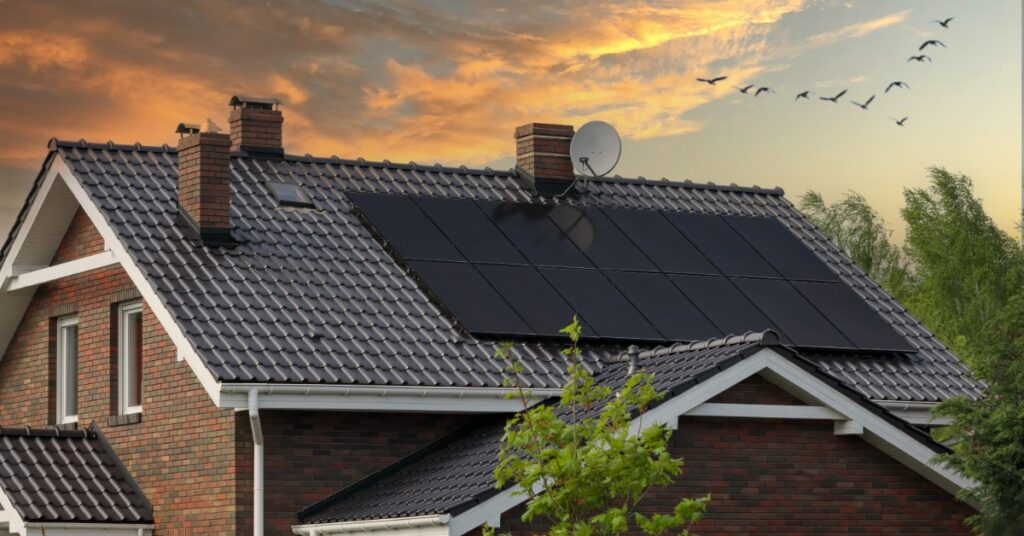
Once you select the equipment, your specialist develops a detailed layout for your roof. Following a step-by-step residential solar design workflow helps establish where each panel should sit based on your property’s unique characteristics. Proper placement must account for roof dimensions, structural support, and local safety requirements.
Your layout should also respect the natural characteristics of your property. A roof with several slopes may need a different arrangement than a simple rectangular surface. Your solar specialist evaluates these details to create a design that supports efficient installation and reliable electricity production.
Plan Electrical Connections and Battery Storage
Your solar panels represent only one part of the complete electrical system. The design must also establish how electricity travels from the panels to your inverter and household electrical panel. A qualified professional evaluates your existing electrical infrastructure to determine whether modifications are necessary.
Battery storage may also deserve consideration, especially if you experience frequent power outages. A compatible battery system can preserve electricity for selected household circuits when the utility grid becomes unavailable. Your specialist can help determine the appropriate storage capacity based on your electricity needs and desired backup duration.
Review Installation Costs and Financial Expectations
A residential solar project represents a substantial investment, making a detailed financial assessment an important part of the design process. Your proposal should explain the total project expense and identify any additional work necessary before installation. Request a clear explanation of the estimated costs before you approve the project.
Expected electricity savings also deserve careful consideration. Local utility rates and compensation for excess solar production can affect your financial results. Your solar specialist should explain these factors and help you understand the assumptions behind the estimated return on your investment.
Obtain Permits and Necessary Approvals
Before installation begins, your project must satisfy applicable local construction and electrical requirements. Your solar contractor prepares technical documents that describe the proposed system and its electrical connections. Local authorities review these plans to confirm that the system meets established safety standards.
Your utility provider may also require approval before your system can connect to the electrical grid. These procedures vary based on your location and the requirements of your electricity provider. An experienced solar contractor can coordinate the necessary documentation and address design revisions before installation proceeds.
Complete Installation and Verify System Performance
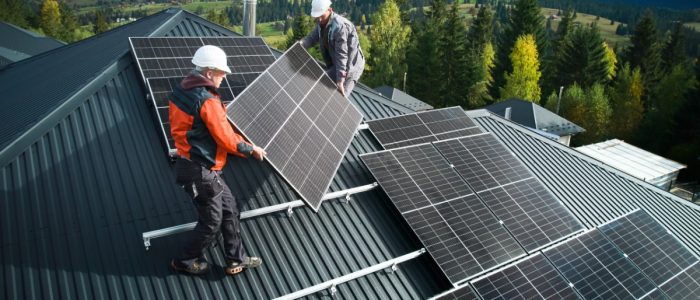
Once your project receives the necessary permits, the installation team can begin work. Professionals mount the panels according to the approved layout and complete the required electrical connections. Each component must meet the manufacturer’s specifications and applicable safety requirements.
The project does not end when the final panel reaches your roof. Your system must pass the necessary inspections and receive utility permission to operate before normal grid-connected production begins. After activation, your installer can explain how to monitor electricity production and recognize unexpected changes in performance.
A well-designed residential solar system begins with a clear understanding of your property and electricity needs. Every decision matters throughout the process, from the initial assessment to final installation. A structured approach helps you avoid unnecessary complications and establish realistic expectations for your solar investment.
At Go Solar Power, we can help you transform your residential solar plans into a practical system tailored to your home. Our team evaluates your property’s characteristics and electricity requirements to recommend appropriate equipment and installation solutions. Contact Go Solar Power to discuss your project and take the next step toward a professionally designed residential solar system.