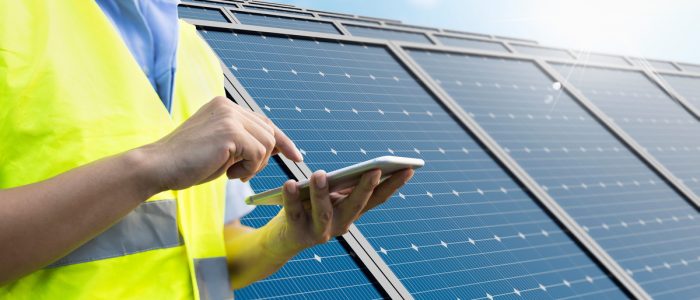
The sun provides an abundant source of clean energy that powers homes and businesses worldwide. To harness this power effectively, system owners must understand how their installations perform over time. Solar monitoring systems serve as a link between hardware on the roof and the user.
These sophisticated tools track energy production levels throughout the day and report them to owners constantly. Without clear data access, a system owner operates in the dark regarding true energy generation capability. A robust monitoring platform reveals these hidden issues quickly and allows for rapid maintenance or repair.
System owners who check their data frequently often spot trends that casual observers miss completely. Identifying these patterns early saves money and ensures the system delivers its expected return on investment. The ability to view historical data also helps in predicting future energy savings with high accuracy.
The technology behind these data access points continues to evolve at a rapid pace today. This seamless transfer ensures that data is available on smartphones, tablets, or computers at any time. Solar monitoring systems’ performance data access provides the necessary transparency to integrate renewable sources into the broader electrical infrastructure safely.
The Importance of Real-Time Output Tracking
System owners need immediate feedback to ensure their panels generate the expected amount of electricity daily. Real-time data access allows users to spot production dips the moment they occur on the roof. This instant visibility prevents minor issues from becoming major problems that could cost thousands to fix.
You can verify that your system operates at peak capacity during the sunniest parts of the day. Without this live stream of information, you rely on monthly bills to catch expensive performance errors. Immediate access empowers you to take control of your energy production and usage habits right now.
Historical Data Analysis for Trend Identification
Long-term records help you understand how seasonal changes impact your total solar energy harvest each year. You can compare production from this June to last June to see if degradation has occurred. This analysis proves vital when you need to file warranty claims for underperforming hardware or components.
Access to years of data allows for precise financial calculations regarding your return on investment timeline. You can see exactly when the system paid for itself through energy savings and grid credits. This knowledge helps you plan for future upgrades or battery storage additions with complete financial confidence.
Remote Diagnostics Capabilities for Maintenance Teams
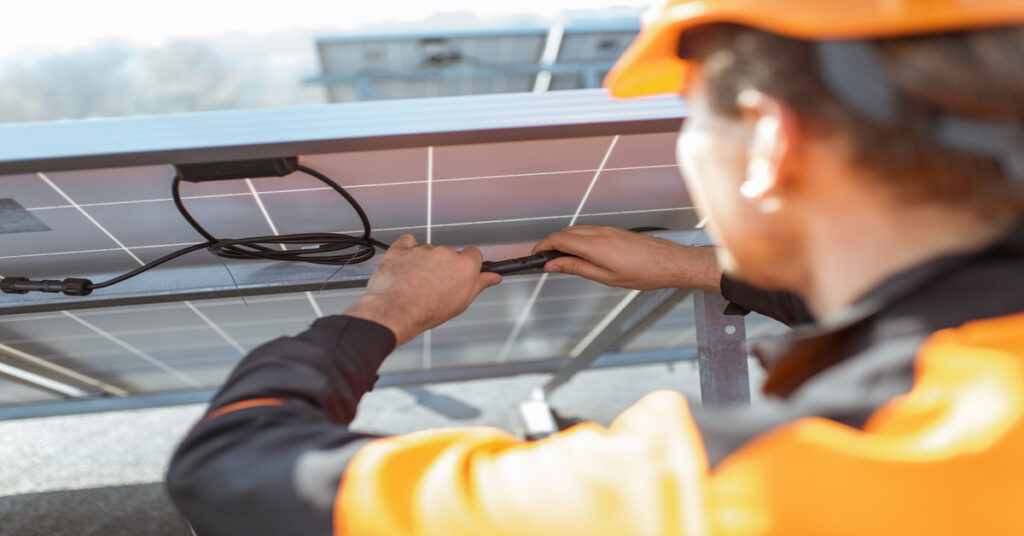
Installers can log into the monitoring portal to check error codes without sending a truck out. This remote capability saves time and money for both the service provider and the system owner. Technicians arrive at the site prepared with the correct parts because they know the problem.
Remote access reduces system downtime significantly because repairs are faster than with traditional methods. Investing in high-quality solar electric equipment is the best solution to ensure long-term reliability and performance. Smart monitoring transforms maintenance from a reactive headache into a proactive and manageable process for everyone.
User Interface Design and Accessibility Features
A clean dashboard presents complex energy metrics in a format that non-technical users can understand easily. Clear graphs show production curves and consumption patterns without overwhelming the viewer with raw number tables. Good design ensures that homeowners engage with their energy data rather than ignoring it completely today.
Mobile applications put this power in your pocket so you can check the status from anywhere worldwide. Alerts push directly to your phone if the system goes offline or detects a ground fault. This accessibility keeps you connected to your investment regardless of your physical location or time zone.
Integration With Smart Home Automation Platforms
Modern monitoring systems often talk to other smart devices to optimize energy usage within the household. You can program your thermostat to cool the house when solar production hits its daily peak. This automation ensures you use your own clean power instead of buying expensive electricity from the grid.
Electric vehicle chargers can also sync with solar output to charge your car on sunshine alone. This integration maximizes the value of every kilowatt-hour your panels produce during the daylight hours. Seamless connectivity between devices creates a truly smart and efficient energy ecosystem for the modern home.
Impact of Weather on Performance Metrics
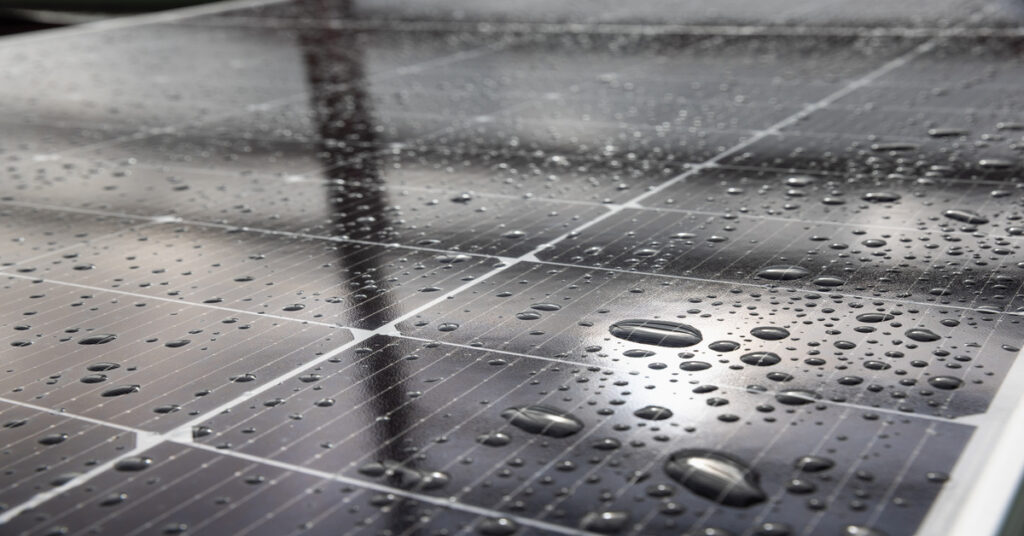
Monitoring platforms overlay local weather data onto production graphs to explain dips in daily energy output. You can see clearly that a drop in power coincided with a heavy cloud passing overhead. This context prevents false alarms and unnecessary worry about system health during days with poor weather.
Advanced systems use weather forecasts to predict how much power you will generate tomorrow or next week. This predictive capability helps you plan energy-intensive activities for days when production will be highest soon. Understanding weather impacts allows for better management of household loads and battery storage discharge schedules.
Security Protocols for Data Transmission Safety
Solar data travels over the internet and requires strong encryption to protect your personal information securely. Manufacturers use advanced protocols to ensure that no unauthorized person can access your home energy network. Secure transmission keeps hackers from manipulating your system or accessing other devices on your home network.
You should update your monitoring hardware firmware regularly to patch any potential security vulnerabilities that arise. Strong passwords and two-factor authentication add an extra layer of defense against unwanted digital intrusions today. Data privacy remains a top priority as our homes become more connected to the World Wide Web.
Environmental Benefits and Carbon Offset Tracking
The environmental benefits of smart technologies and carbon offset tracking have become essential. These are some of the advancements that enable individuals and organizations to measure their environmental impact and invest in projects that compensate for their carbon footprint:
- Monitoring dashboards calculate the exact amount of carbon dioxide your system kept out of the atmosphere.
- You can see how many equivalent trees you planted just by generating your own clean electricity.
- These metrics make the abstract concept of environmental impact tangible and rewarding for every system owner.
- Sharing these stats on social platforms inspires others to consider solar for their own homes soon.
- Visualizing your positive impact reinforces the decision to switch to renewable energy sources for the planet.
Access to solar monitoring systems’ performance data transforms a simple collection of panels into a smart asset. The ability to track output, diagnose issues, and optimize usage adds immense value to the system. Owners who engage with their data save more money and ensure their equipment lasts for decades.
As technology advances, these insights will become even more integral to how we manage energy daily. Clear information empowers you to make smarter decisions about how we generate and consume electricity effectively.