Selecting the correct equipment determines the long-term success of any residential solar energy system project. Homeowners must navigate various technical specifications to understand how different components impact overall energy production. Two primary technologies dominate the market today: standard string inverters and modern microinverter alternatives.
These devices perform the essential task of converting direct current into usable alternating current. Without this conversion process, household appliances cannot utilize the clean power generated on the roof. The choice between these two options affects system efficiency, monitoring capabilities, and total cost.
Understanding the operational differences of microinverters and string inverters will help you maximize your return on investment over twenty-five years. A poor choice here can lead to suboptimal performance, especially in shaded roof conditions.
As technology advances, the gap between these two solutions continues to widen significantly. Homeowners must weigh initial costs against potential long-term gains in energy production and reliability.
The Basic Function of Solar Inverters Explained
Solar panels generate direct current electricity from sunlight, but homes run on alternating current. An inverter performs the necessary conversion to make this energy compatible with standard household outlets. This device ensures that your lights, refrigerator, and electronics receive stable and safe power.
The inverter also manages the connection between your solar array and the local utility grid. It synchronizes the frequency and voltage of your system with the public power supply. This seamless integration allows you to export excess energy back to the grid for credit.
Understanding String Inverter Technology Architecture
String inverters function by connecting multiple solar panels in a series circuit like holiday lights. All the direct current from the array flows to a single central unit for conversion. This centralized approach simplifies the installation process and reduces the number of components on the roof.
However, the performance of the entire string depends on the lowest-performing panel in the group. If one panel suffers from shade or dirt, the output of the whole string drops. This “weakest link” characteristic represents the main limitation of traditional string inverter system designs.
Operational Mechanics of Modern Microinverters
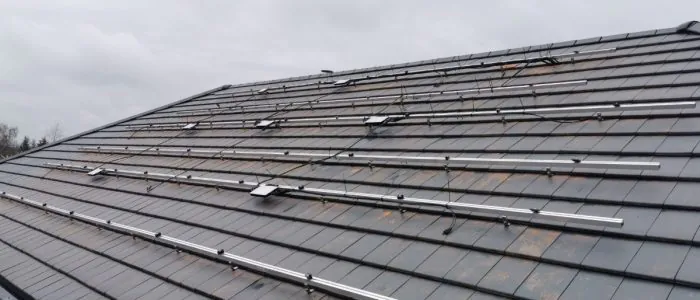
Microinverters attach directly to each individual solar panel, usually mounted on the racking system underneath. This decentralized design converts direct current to alternating current immediately at the source of generation. Each panel operates independently, which eliminates the bottleneck effect seen in traditional string inverter systems.
This independence means that shade on one panel does not affect the rest of the array. The system maximizes total energy harvest even when debris or clouds cover specific sections. Homeowners see higher overall production numbers because each module performs at its peak potential.
Comparing System Efficiency and Shade Tolerance
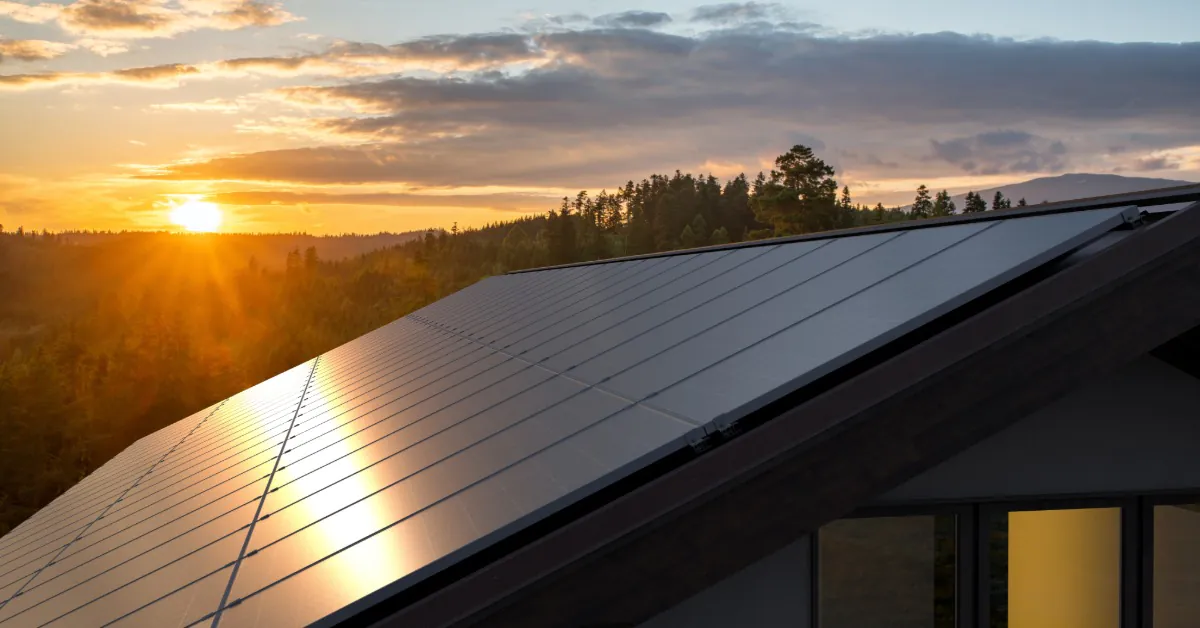
String inverters struggle significantly when shadows from trees or chimneys fall across the solar array. The entire system output drops to match the level of the shaded, underperforming panel. This flaw makes string inverters less ideal for roofs with complex angles or obstructions.
Microinverters excel in these challenging conditions because they isolate the impact of shade to one unit. The unshaded panels continue to produce power at full capacity without any interference or reduction. Working with professionals insolar power panels installation will ensure you select the right option.
Installation Complexity and Roof Requirements
String inverter systems require high-voltage direct current cables to run from the roof to the ground. Installers must route these heavy cables through the attic or down the side of the house. This process can be invasive and requires careful attention to safety codes and regulations.
Microinverters simplify the wiring process significantly since the conversion happens directly on the roof itself. Installers run standard alternating current wiring from the array to the main electrical service panel. This approach reduces the risk of high-voltage DC fires and streamlines the entire setup.
Long-Term Reliability and Warranty Coverage
String inverters typically come with standard warranties that last between ten and twelve years total. These central units handle high-power loads and generate significant heat, which leads to wear. Homeowners often need to replace the central inverter at least once during the system’s life.
Microinverters usually feature robust warranties that extend for twenty-five years to match panels. Manufacturers design these units to withstand extreme weather and operate reliably for decades without failure. This extended coverage provides peace of mind and reduces potential maintenance costs over time.
Safety Features and Rapid Shutdown Compliance
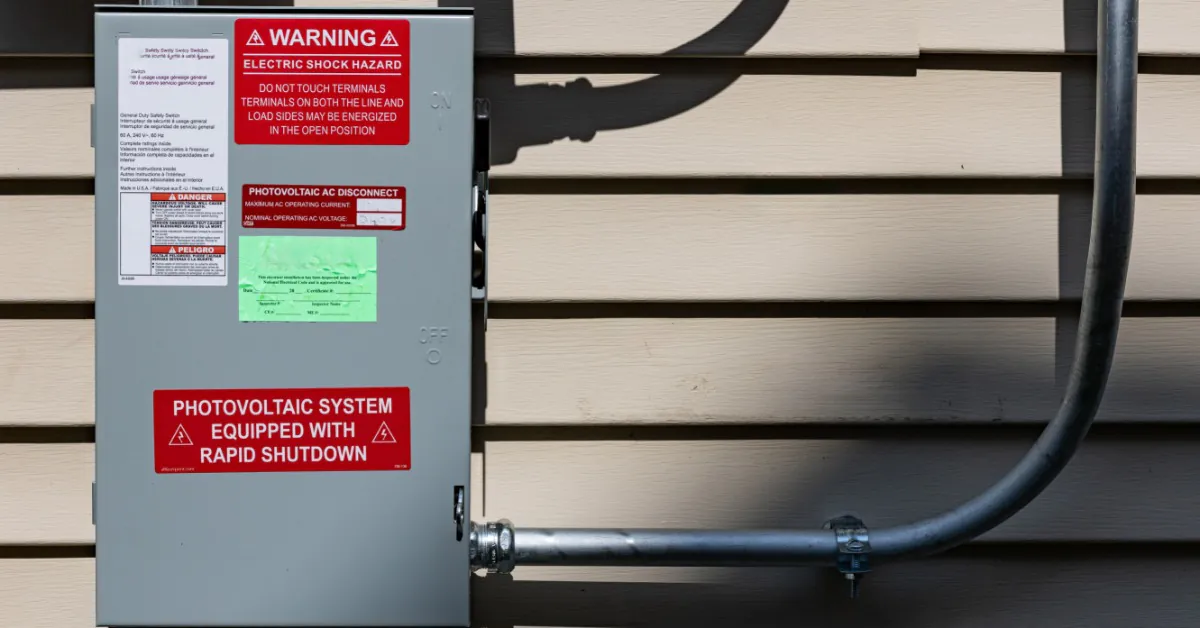
Modern electrical codes require solar systems to have rapid shutdown capabilities to protect emergency responders. This feature de-energizes the solar array immediately to prevent shock hazards during a fire event. Microinverters meet these strict requirements easily because they can shut off power at the panel.
String inverters require additional equipment to comply with these safety standards, adding cost and complexity. The high-voltage DC runs associated with string systems also present a higher inherent fire risk. Microinverters keep voltages low on the roof, making them safer for installers and homeowners.
Future Expansion and System Scalability
Microinverter systems offer superior flexibility if you decide to expand your solar array later. You can add more panels and microinverters one at a time without redesigning the whole system. This modularity allows homeowners to start small and grow their system as their budget permits.
String inverters have strict limits on how many panels can connect to a single unit. Adding more panels often requires purchasing a second central inverter or replacing the original one. This limitation makes future expansion expensive and complicated for owners of string inverter systems.
Cost Analysis and Return on Investment
String inverters generally have a lower upfront cost compared to microinverter technology and equipment options. This lower initial price point can be attractive for projects with tight budget constraints. However, the potential need for mid-life replacement can offset these initial savings over time.
Microinverters involve a higher initial investment but deliver greater total energy production over the system’s life. The increased efficiency and longer warranty often result in a better long-term return on investment. Homeowners should view the higher upfront price as a payment for reliability and performance.
The decision between microinverters and string inverters depends on specific roof conditions and budget priorities. String inverters offer a cost-effective solution for simple, unshaded roofs with perfect southern exposure. For homeowners with complex roofs or shade issues, microinverters provide a clear performance advantage.
Ultimately, the superior warranty and safety features of microinverters make them the preferred modern choice. While the initial cost is higher, the long-term benefits justify the investment for most. The granular monitoring capabilities allow for proactive maintenance and ensure the system operates at peak.
As solar technology evolves, the industry continues to shift toward these efficient, decentralized power architectures. Choose the option that aligns best with your energy goals and specific property characteristics.