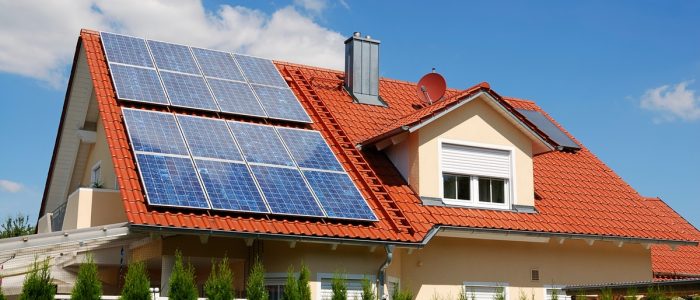
A residential solar power system represents a significant investment in your home’s energy future and the well-being of the environment. To safeguard this investment and ensure it produces maximum power, regular upkeep is essential.
Homeowners can perform several simple checks that help keep their systems in top condition. This guide on maintaining your residential solar power system offers practical, safe, and cost-conscious advice to ensure your system works optimally.
Proper maintenance protects your asset, sustains energy output, and extends the operational life of your equipment. Diligent attention to your solar array ensures it continues to deliver clean, reliable energy for many years.
Visual Panel Checks
Visually inspect your solar panels from a safe vantage point on the ground. Look for any cracks, chips, or discoloration on the panel surfaces. Any visible damage could potentially impact the system’s overall electricity production and efficiency.
Note any excessive buildup of dirt, dust, pollen, or other surface contaminants. A clean panel absorbs more sunlight, which directly translates to better energy generation. Observe if any shadows from new tree growth or structures now cover the panels.
Seasonal Debris Management
Effective seasonal debris management will maintain the efficiency and longevity of your solar panels. Here are some key steps you can take throughout the year to ensure your system operates at peak performance:
Spring and Summer
- During these months, pollen and dust can accumulate on solar panels, reducing their efficiency. Use a hose or a soft cloth to clean the surface as needed.
- After spring storms or high winds, inspect the panels for fallen leaves, branches, or debris that may block sunlight. Safely clear them away to restore optimal energy production.
- Monitor for bird droppings, as these can create stubborn spots on your panels. Clean them carefully with a soft, damp cloth and mild detergent if necessary.
Fall
- Leaves often collect on the solar array during autumn. Sweep them regularly to prevent shading and maintain optimal performance.
- Ensure branches do not cast shadows over your panels or drop excessive debris.
- High winds during this season can carry more debris onto your panels. Check for and safely remove any obstructions.
Winter
- Use a long-handled tool with a soft foam or rubber head to carefully clear snow from the panels. Avoid sharp tools that might scratch the surface.
- Never pour hot water on cold panels, as thermal shock can cause the glass to crack.
- If ice develops, avoid attempting to chip it away. Wait for natural melting to avoid damaging the panels.
Array Fastener Torque Checks
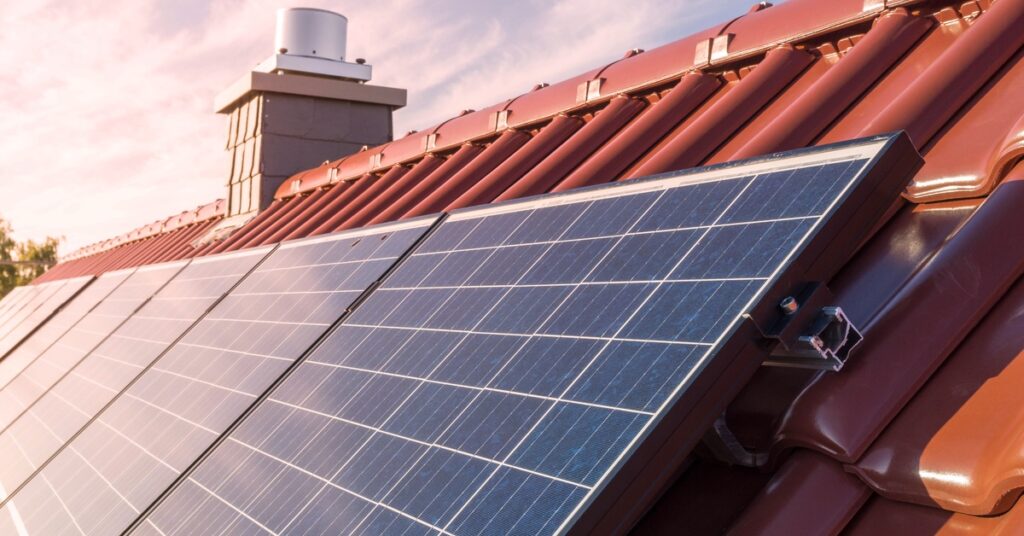
The hardware that secures your solar array to the roof requires periodic attention. Over time, vibrations and weather events can cause bolts and fasteners to loosen slightly. A visual check can often reveal if any components appear out of place.
Schedule a professional to inspect and tighten all mounting hardware to the manufacturer’s torque specifications. This preventative measure ensures the structural integrity of your entire solar power installation. With the help ofan experienced company, you can secure your system properly to optimize its performance.
Inverter Health Checks
Your solar inverter is a vital component that converts DC power to usable AC power. Regularly check the inverter’s status indicator lights to confirm its normal operation status. Refer to your owner’s manual to understand the meaning of each specific light color or sequence.
Listen for any unusual hums, clicks, or noises that emanate from the inverter unit. Also, ensure the vents on the unit remain clear of dust, pests, or obstructions. Proper airflow helps the inverter maintain a safe operational temperature for optimal performance.
Performance Monitor With Baseline Compare
Your system includes a monitor application that tracks daily, weekly, and monthly energy production. Establish a baseline performance record during the system’s first year of operation. This data provides a reference point for all future power output evaluations you make.
Compare current energy generation data against your established historical baseline performance information. A significant, unexplained drop in output may indicate a problem that requires further investigation. This simple data check helps you spot potential issues before they escalate into major failures.
Wire and Connector Inspection
Visually inspect all accessible electrical wires and conduits connected to your solar energy system. Inspect the protective sheath for any signs of wear, animal damage, or exposure. Damaged wires present a serious safety hazard and can compromise the system’s electrical functions.
Check that all visible connectors between panels and to the inverter appear secure. Loose connections can create electrical arcs, cause power loss, and pose a fire risk. A quick visual scan helps you identify any potential electrical issues for professional review.
Roof Integrity Checks Around Mounts
To maintain your residential solar panel system in peak condition, examine the roof area directly around the mounting points and support structures. Look for signs of water intrusion, such as stains on your ceiling or attic rafters. The penetrations for mounts are a potential source for leaks if not sealed correctly.
Ensure that all roof flashings and seals around the mounting hardware remain intact. These components prevent water from seeping into your roof deck and home structure. A small leak can lead to significant water damage if you do not address it promptly.
Scheduled Professional Maintenance
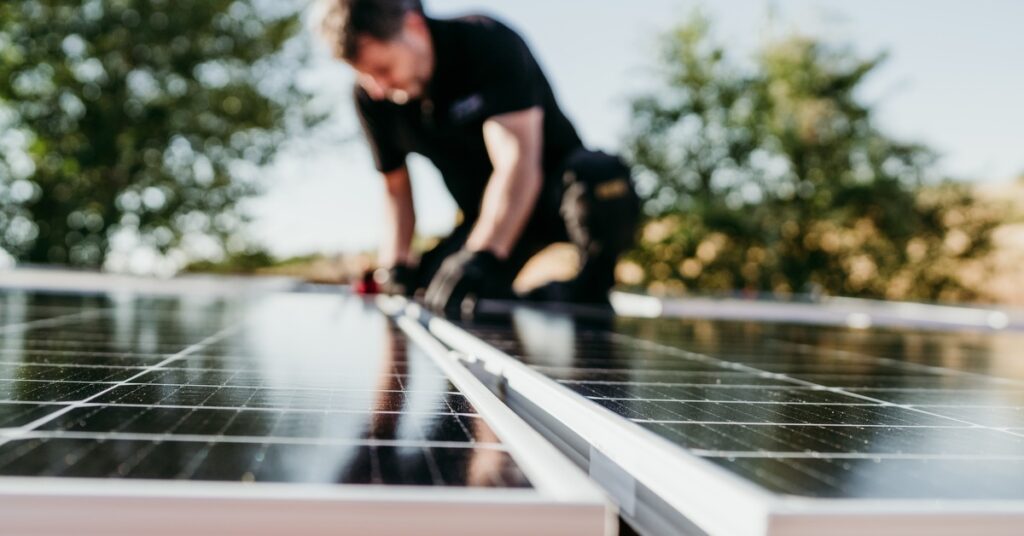
Even with diligent homeowner care, your solar system benefits from periodic expert service. A qualified technician performs comprehensive diagnostics that exceed the scope of visual homeowner checks. This ensures every component of your solar installation functions at its peak performance level.
An expert solar power solutions company will test electrical components, verify inverter output, and clean hard-to-reach panels. They possess the correct tools and safety equipment for a thorough system evaluation. Professional services offer peace of mind and confirm your system’s long-term operational health.
Pest Deterrents Near Arrays
Animals and birds sometimes seek shelter under the solar panels on your roof. Check for any nests or signs of animal habitation under the array. Pests can chew on wires, causing extensive and costly damage to your system components.
Consider installing a protective mesh barrier around the perimeter of the array. This screen physically prevents pests from accessing the space beneath the solar panels. It is an effective method to protect your solar investment from wildlife interference.
Warranty Document and Service Log
Keep all your solar system warranty documents in a safe and accessible location. These papers are important in case you need to file a claim for equipment failure. Also, maintain a detailed log of all maintenance activities, both personal and professional.
This log should include dates, observations, and details of any service work performed. A complete service history demonstrates that you have properly cared for the system. This record is valuable for warranty claims and for future owners of your home.
Maintaining your residential solar power system is an essential responsibility that ensures its efficiency and longevity. Regular inspections from the ground allow homeowners to identify possible issues at an early stage.
Relying on a qualified professional for more advanced tasks adds a layer of safety while preserving the system’s functionality. Taking a proactive and diligent approach helps safeguard your equipment, improve energy output, and protect the long-term value of your solar power investment.