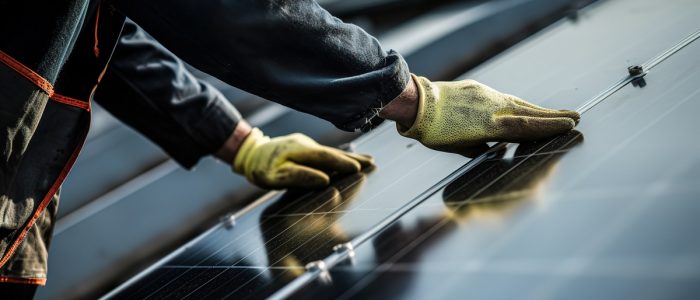
Solar energy emerged as a cornerstone of the global effort to transition to renewable energy sources. It represents a sustainable and abundant alternative to fossil fuels, addressing environmental and energy security concerns. At the heart of this technology lies the innovative engineering that converts sunlight into electricity, ranging from the design of individual photovoltaic cells to the development of vast grid-scale installations.
These advancements have revolutionized the accessibility and efficiency of solar power, placing it at the forefront of the renewable energy revolution. Understanding the engineering behind modern solar power solutions, from the creation of silicon-based solar cells to their integration into a functional array, will help you appreciate this transformation. The technical achievements that define modern solar energy systems underscore humanity’s relentless pursuit of a greener and more sustainable future.
The Photovoltaic Cell’s Core Function
Photovoltaic cells form the fundamental component of every modern solar panel. These cells directly convert sunlight into usable electrical current through a special process. They use semiconductor materials, most commonly silicon, to achieve this amazing energy transformation.
The process involves photons from sunlight that strike the semiconductor material. These photons excite electrons, which in turn generate an electrical field within the cell. This field forces the freed electrons to flow in a specific direction.
Advancements in Silicon Wafer Production
Silicon wafers are the thin slices that form the base for photovoltaic cells. Manufacturers have made great strides to improve the quality of these wafers. This effort led to higher efficiency and a notable reduction in production costs.
New methods enable the production of monocrystalline and polycrystalline silicon wafers. Monocrystalline wafers offer higher efficiency due to their uniform crystal structure. Polycrystalline options provide a cost-effective alternative for various solar power applications.
Innovations in Panel Design and Assembly

Modern solar panels feature designs that maximize durability and overall performance. Engineers select robust materials to protect the delicate photovoltaic cells inside the panel. These materials must withstand harsh weather conditions to ensure reliable operation for many years.
The assembly process uses advanced automation to place cells with extreme precision. Anti-reflective coatings on the glass surface reduce light loss and improve absorption. These small details add up to create a highly efficient solar power module.
The Role of Inverters in Energy Conversion
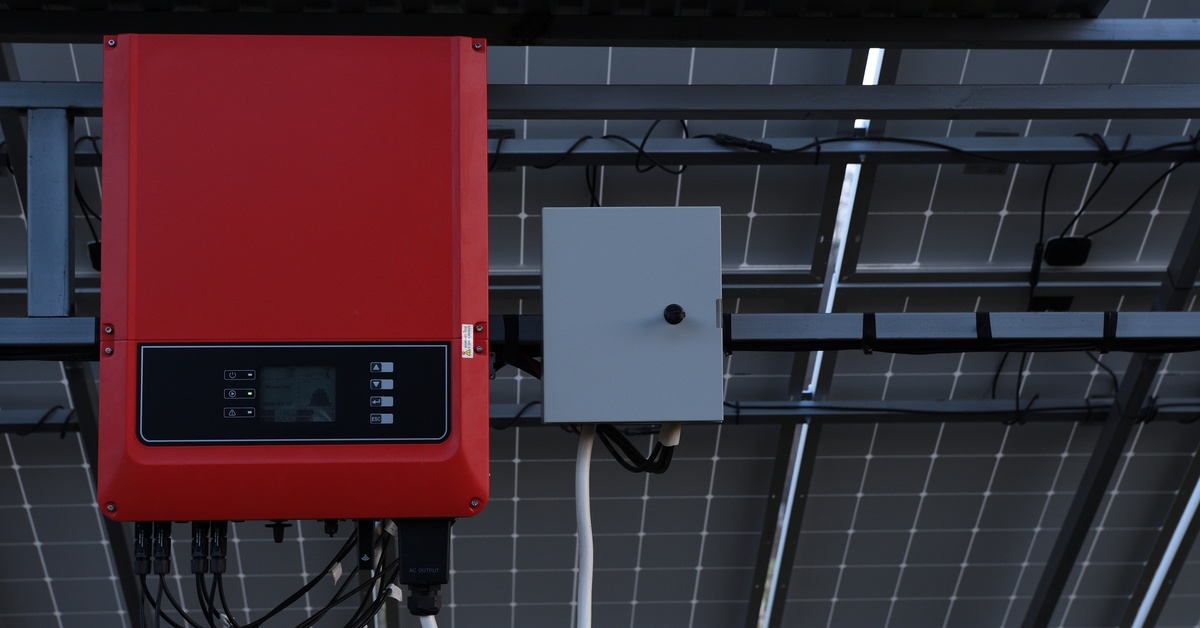
Inverters are essential devices that convert the direct current (DC) from solar panels. They change it to alternating current (AC) for homes and businesses to use. This conversion must be safe and exceptionally efficient for practical application.
Modern inverters, such as microinverters and string inverters, offer unique advantages. Microinverters optimize the output of individual panels, which boosts the system’s total yield. String inverters manage the production of a series of connected solar panels.
Solar Tracking Systems for Maximum Exposure
Solar tracking systems adjust a panel’s orientation to follow the sun’s path. This continuous movement ensures the panels receive the maximum amount of direct sunlight. The result is a significant increase in total energy production throughout the day.
Single- and dual-axis trackers are available for different needs. Single-axis trackers follow the sun from east to west on a single pivot point. Dual-axis systems track on both horizontal and vertical axes for ultimate precision.
Grid Integration and Smart Technology
Smart grid technology allows for seamless integration of solar power into the utility grid. This technology helps manage the flow of electricity from multiple distributed sources. It ensures grid stability and reliability for all connected electricity consumers.
Smart inverters and advanced meters communicate with the utility to balance supply and demand. This communication enables a more resilient and flexible modern electrical power network. It supports the widespread adoption of renewable energy sources, such as solar power.
Battery Storage for Energy Independence
Battery storage systems store excess solar energy generated during peak sun hours. This stored power becomes available for use at night or on cloudy, overcast days. It provides homes and businesses with a reliable, continuous power source.
Lithium-Iron batteries are a popular choice for their high energy density and longevity. These systems empower users to achieve greater energy independence from the traditional grid. They represent a key component of a complete residential or commercial solar solution.
Large-Scale Solar Farm Engineering
Solar farms, or utility-scale solar plants, require extensive engineering and careful planning. These massive installations can generate enough power for entire communities or cities. The layout of the panels must optimize land use and overall energy capture.
Engineers conduct thorough site assessments to determine the best location for a farm. They consider factors such as solar irradiance, land topography, and environmental impact. Working with professional solar service experts will ensure a successful and efficient project outcome.
Materials Science and Future Developments
Materials science is at the heart of advancing solar technology, and several exciting developments are shaping the future of renewable energy. Here are key areas of research and innovation:
- Perovskite Solar Cells: These are a promising alternative to traditional silicon-based cells. With their rapidly improving efficiency, perovskite solar cells demonstrate significant potential for reduced production costs and enhanced flexibility in applications, making solar energy more accessible and versatile.
- Transparent Solar Cells: Researchers keep developing solar cells that can double as windows. These transparent cells could integrate into buildings, vehicles, and electronic devices, transforming otherwise unused surfaces into power-generating panels.
- Organic Photovoltaics (OPVs): Using carbon-based materials, organic photovoltaics offer a lightweight and flexible solution for solar technology. OPVs are ideal for portable applications, wearable devices, and environments where traditional, rigid panels are less practical.
- Advanced Materials for Durability and Stability: Improving the lifespan and performance of solar cells under various environmental conditions is a major focus. Innovative coatings and materials can enhance resistance to moisture, heat, and UV exposure.
- Bifacial Solar Panels: These panels capture sunlight on both sides, significantly increasing energy output. They represent a practical innovation for maximizing efficiency in solar farms and other installations.
- Quantum Dot Solar Cells: With tiny semiconductor particles, quantum dot solar cells show promise for producing highly efficient and tunable energy solutions. Their unique properties enable them to capture a broader spectrum of sunlight.
Maintenance and System Longevity
Modern solar power systems require minimal maintenance over their extended lifespans. Regular inspections help identify any potential issues before they affect system performance. Simple cleanings can remove dust and debris that may accumulate on the panels.
Most high-quality solar panels come with performance warranties that last for 25 years. This long-term reliability makes solar power a sound and dependable investment. Proper care helps a system operate at its peak potential for many decades.
The engineering behind modern solar power solutions is complex and constantly evolves. From the smallest photovoltaic cell to the largest solar farm, each component reflects years of scientific research and technical refinement. These advancements have made solar power a more efficient, affordable, and reliable energy source for people around the world.
As technology continues to improve, the potential for solar energy to meet our global power needs will only expand. Adopting these advanced systems is a forward-thinking step toward a sustainable, clean-energy future for everyone.