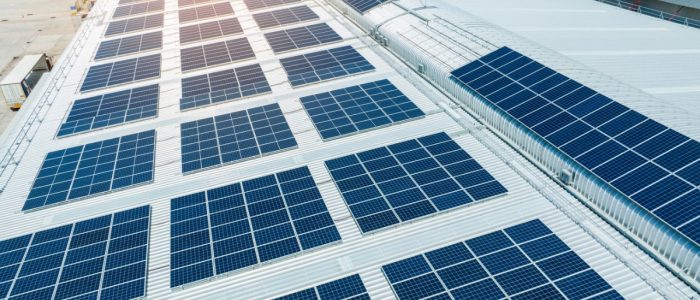
Solar power offers a practical path for factories that seek cost control, resilience, and lower emissions across complex production environments. Manufacturing sites face high energy demand and strict uptime requirements that demand scalable power solutions. Solar deployment at an industrial scale can meet these needs with careful design and disciplined project execution across multiple facility types.
Adoption has accelerated as module costs fall and grid volatility raises risk for energy-intensive operations across regions. Decision makers now evaluate solar as core infrastructure rather than optional add-ons, with attention to finance and engineering. A structured approach to scaling solar for manufacturing facilities helps leaders align technical choices with business goals and regulatory obligations that shape project outcomes.
Energy Demand in Industrial Operations
Factories operate with diverse energy loads that reflect equipment use and seasonal variation across departments and production environments. Engineers analyze detailed consumption data to design systems that align generation with peak daytime demand across machinery and auxiliary services. Proper sizing reduces excess capacity and improves system performance across variable operational scenarios without unnecessary capital expenditure.
High energy consumption often coincides with daylight production cycles, creating natural alignment with solar generation across many manufacturing environments and sectors. This alignment reduces reliance on grid supply during peak pricing periods and improves cost control across operations with consistent daytime activity. Strategic energy planning helps facilities manage demand charges and stabilize expenses in competitive markets with fluctuating electricity pricing structures.
Site Evaluation and Design
Site evaluation considers roof strength and parking structures to determine feasible solar layouts that maximize output and maintain safety. Structural assessments confirm load capacity and compliance with codes, ensuring installations perform reliably under wind and weather conditions across regions. Shading studies evaluate potential obstructions such as equipment and planned expansions that may impact system efficiency over time.
Electrical integration requires careful routing for conduits and switchgear that connect solar arrays with facility distribution systems without disruption. Coordination with utilities supports smooth interconnection approval processes and prevents delays that could affect project timelines and budgets across installations. Phased construction allows gradual deployment to maintain production continuity and minimize operational impact during installation.
System Integration and Control
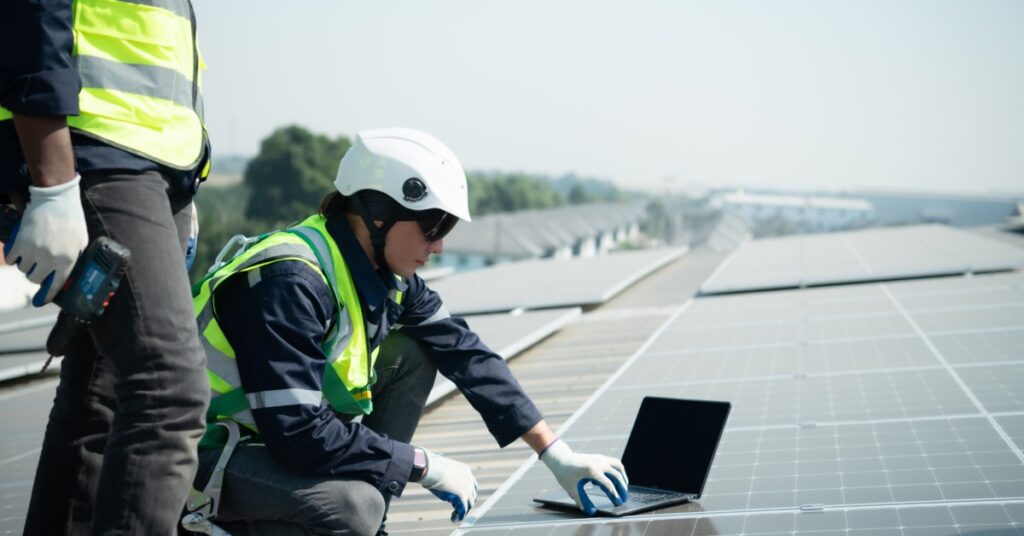
Solar installations must integrate seamlessly with existing electrical infrastructure to ensure safe operation and consistent power delivery across critical production systems. Protection schemes coordinate breakers and inverter controls to prevent faults that could disrupt operations or damage equipment across facilities. Monitoring systems provide real-time data on performance, enabling operators to track output and identify issues promptly.
Energy management strategies adjust nonessential processes to align with peak solar production periods, improving system utilization and reducing reliance on external energy sources. Battery storage enhances flexibility, allowing facilities to store excess generation and deploy it during non-production hours. Clear operational protocols define responses to alarms and maintenance needs to maintain system reliability.
Financial Considerations and Incentives
Solar investments require analysis of financing options such as direct purchase, lease agreements, and power purchase contracts with different risk profiles. Incentives like tax credits and depreciation benefits improve project economics and accelerate payback periods across qualifying installations in many regions. Financial modeling evaluates assumptions on energy pricing and equipment performance to support informed investment decisions across investors.
Rising utility costs driven by increased demand place pressure on manufacturing budgets and highlight the value of predictable on-site energy generation. Solar systems provide cost stability and reduce exposure to volatile electricity markets that affect operational planning. Careful contract evaluation ensures favorable terms and clear expectations for maintenance responsibilities over system lifetimes.
Scalability and Future Expansion
Solar system design should accommodate future expansion through modular configurations that allow capacity growth without major infrastructure changes across facilities. Planning for additional capacity includes electrical allowances and available space that support seamless integration of new arrays. Standardized designs enable replication across multiple sites, improving efficiency and reducing costs for organizations with large facility networks.
Interconnection limits and grid constraints require early evaluation to ensure expansion plans remain feasible and compliant with utility requirements across regions. Storage solutions and demand response programs enhance system flexibility and support higher solar penetration without affecting operational stability. Strategic planning aligns solar expansion with corporate goals and evolving energy needs across manufacturing operations.
Vendor Selection and Partnerships
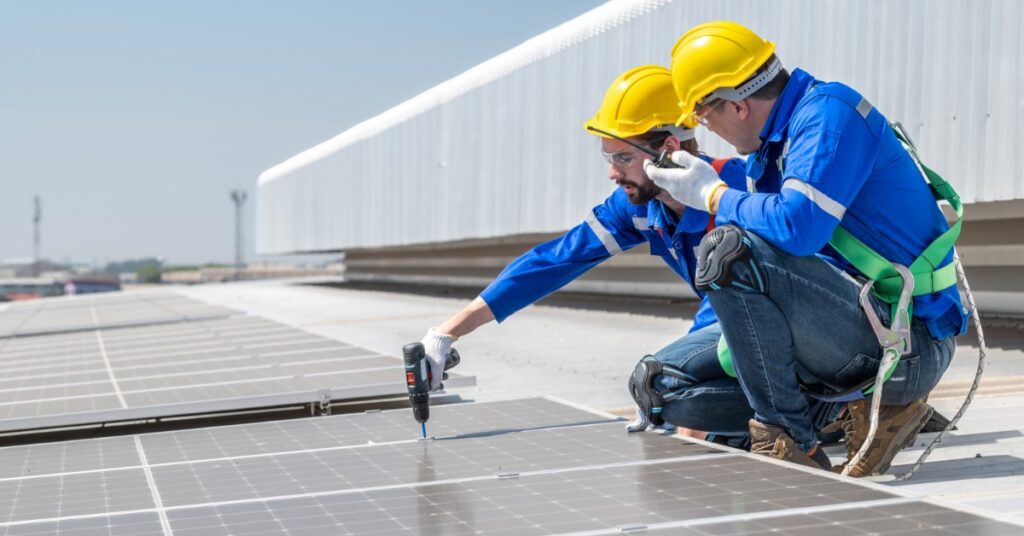
Vendor selection focuses on experience with industrial projects and proven ability to deliver quality installations across complex manufacturing environments. Contracts outline scope, timelines, performance guarantees, and remedies that protect facility owners from delays or underperformance across project stages. Transparent communication fosters trust and ensures alignment between stakeholders throughout the different phases across facilities.
Working with professional and reliable commercial solar panel installers is the best decision to ensure consistent quality and achieve dependable performance across manufacturing operations. Strong partnerships support effective problem resolution and knowledge transfer that benefits future projects and operational efficiency. Experienced installers understand industrial requirements and deliver solutions that align with production needs and regulatory expectations across facilities.
Environmental and Community Impact
Solar adoption reduces greenhouse gas emissions associated with grid electricity use and supports environmental commitments set by manufacturing organizations across sectors. Thoughtful design addresses land use and local concerns to ensure installations integrate well with surrounding communities and environments. Compliance with environmental standards and regulations ensures projects meet legal requirements and maintain positive relationships with stakeholders.
Community engagement fosters transparency and builds trust through clear communication about project benefits and potential impacts during construction phases. Collaboration with local organizations may create opportunities for workforce development and shared infrastructure that benefit both facilities and the surrounding areas. Reporting on environmental outcomes demonstrates accountability and progress toward sustainability objectives across corporate operations.
ROI and Performance Evaluation
Return on investment timelines depend on system cost, energy savings, incentives, and operational efficiency across manufacturing facilities with varying energy demands. Financial analysis considers payback periods and total cost of ownership to determine project viability and align with organizational financial goals. Accurate forecasting supports confident decision-making and helps investors understand expected benefits and risks associated with solar investments.
Performance tracking compares actual energy production with projections to evaluate system effectiveness and identify areas for optimization across operations. Continuous improvement efforts enhance output and extend system life, increasing overall financial returns and operational value for facilities. Transparent reporting ensures accountability and supports informed planning for future energy projects across the organization.
Scaling solar across manufacturing facilities offers a structured path to manage energy costs, enhance resilience, and meet environmental targets in competitive markets. Success depends on careful planning and disciplined execution across engineering and operations that support reliable system performance. Organizations that invest in well-designed solar systems can achieve consistent benefits and position themselves for future energy challenges.
Sustained performance requires ongoing monitoring and adaptation to changing operational needs and energy markets across industrial environments. Strategic expansion and continuous improvement strengthen system value and support long-term organizational goals related to cost control. With a comprehensive approach, solar becomes a dependable asset that supports efficient and responsible manufacturing operations across diverse facilities.