Tesla Powerwall systems have transformed how residential energy storage supports homes with solar arrays and grid interactions. These advanced battery units operate under multiple modes that determine when and how to store and dispatch energy. Understanding these operational options helps homeowners tailor their systems to their preferences, goals, and local utility conditions.
This guide on Tesla Solar Powerwall operating modes offers clarity and context for practical application. It discusses Backup-Only Self-Powered Time-Based Control and other features while highlighting real performance benefits homeowners can expect from proper configuration.
Overview of Tesla Powerwall Operating Modes
Tesla Powerwall offers flexible operational modes that tailor energy flow according to user preferences and goals. Modes manage charging and discharge priorities from solar panels, stored energy and grid interactions daily intelligently.
Understanding these modes helps homeowners improve resilience, lower costs, and enhance energy autonomy at home. Powerwall integrates seamlessly with residential solar systems while enabling back-up power when grid outages occur.
Backup-Only Mode
Backup-Only mode reserves the entirety of the Powerwall’s energy for emergency grid outages exclusively. During an outage, Powerwall ensures a continuous power supply to critical circuits without manual intervention. This mode simplifies preparation for unpredictable utility failures while enhancing household energy security and confidence.
Selecting Backup-Only assumes you always value complete energy availability during extreme conditions consistently. Tesla’s software maintains reserve capacity until a grid interruption triggers automatic discharge to the home. This conservative approach deprioritizes daytime solar utilization in favor of backup readiness and uninterrupted service.
Self-Powered Mode
Self-Powered mode prioritizes charging from excess solar energy rather than relying solely on the grid. Powerwall stores solar production during sunlight hours and discharges to support home loads at night. This mode helps households increase solar self-utilization and reduce dependence on utility procurement costs.
Setting an appropriate backup reserve ensures adequate energy remains available for emergency power needs protection. Self-Powered emphasizes efficient allocation of stored energy while promoting renewable consumption over grid usage preference. Many homeowners favor this mode for its balanced approach between daily savings and resilience strength.
Time-Based Control
Time-Based Control mode is one of the most popular Tesla Powerwall operating modes because it schedules charge and discharge according to fluctuating electricity tariff patterns strategically. During low-cost intervals, Powerwall stores energy for later deployment when prices peak higher advantage. This approach can lead to measurable cost reductions under time-of-use utility rate plans.
Tesla’s app leverages predictive forecasts to optimize dispatch schedules, anticipating price shifts and demand response. Home energy usage under Time-Based Control increases financial performance during prolonged peak periods with efficiency. This proactive mode matches consumption to economic realities while maintaining core backup reserves intact seamlessly.
Backup Reserve Setting
Backup Reserve setting determines how much energy remains untouched for future grid emergencies occurrences preparedness. A higher backup reserve improves outage readiness at the expense of reduced daily solar utilization capacity. Conversely, a lower reserve makes more stored energy available for typical household consumption needs flexibility.
The Tesla app allows users to adjust reserve thresholds to suit specific lifestyles and risk profiles. Backup Reserve functions alongside operational modes to balance resilience and everyday energy performance goals effectively. Ensuring an adequate reserve can prevent unexpected outages from disrupting critical appliance operations and overnight reliability.
Advanced Settings
Advanced Settings provide additional controls over grid charging preferences and reserve maintenance options for customization. Enabling grid charging can affect how Powerwall replenishes energy when solar production is insufficient strategically. Tesla’s software respects tax credit guidance and energy policies while offering performance custom options compliance.
Users should consult professionals to reconcile advanced Powerwall settings with financial and regulatory considerations thoroughly. Grid charging, when beneficial, can increase flexibility but complicate stored energy allocation strategies over seasons. Advanced Settings underscore the adaptability of Powerwall systems within multifaceted residential energy configurations and reliability.
Integration with Solar
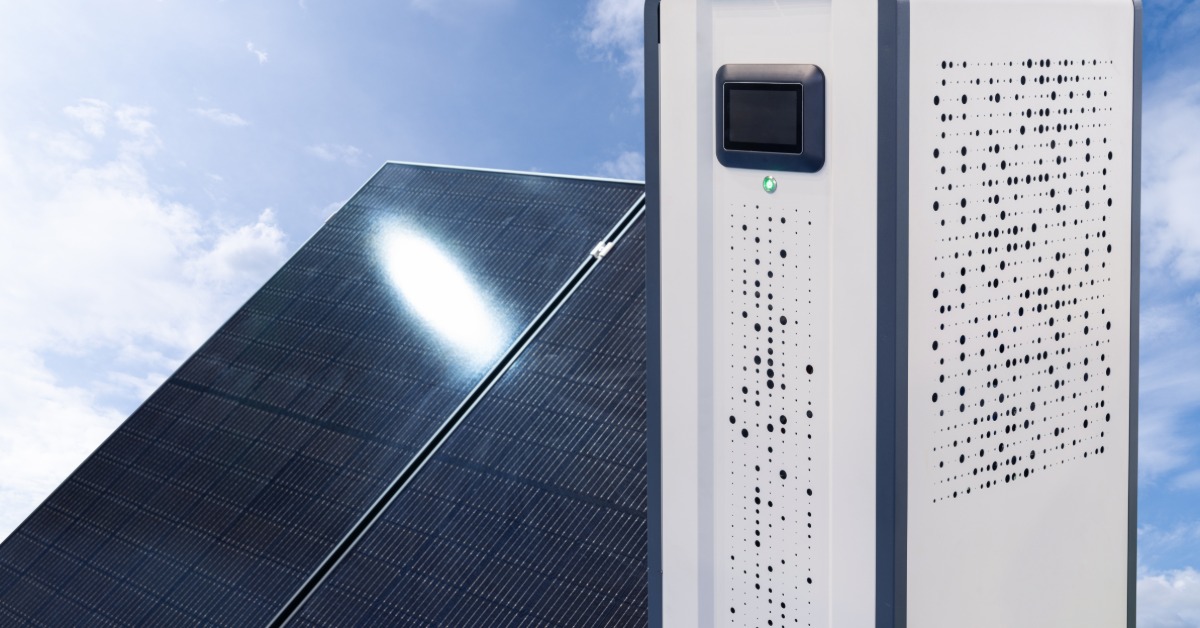
Powerwall works with solar arrays to capture excess energy that would export to the grid. Solar integration enhances overall system value while maximizing renewable energy utilization potential for homeowners sustainably. This collaboration extends energy autonomy and reduces everyday electricity purchase dependence on utilities significantly.
Proper installation ensures solar and Powerwall components operate efficiently across environmental and electrical variables reliably. Investing in a Tesla Solar Powerwall with professional installation is the best solution for resilience. Solar plus storage integration yields a dependable energy supply regardless of grid performance fluctuations or disruptions.
App Controls
The Tesla app offers real-time monitoring of solar production, storage status and usage metrics. Users can switch operational modes and adjust reserve percentages from any connected mobile device remotely. App alerts notify homeowners of outages, performance shifts and maintenance recommendations for effective management convenience.
Visual dashboards present energy flow diagrams that clarify solar capture, battery dispatch and grid interaction. Detailed reports support informed adjustments to optimize daily usage and long-term operational strategies planning. These controls empower homeowners to tailor their energy system preferences with significant precision for overall satisfaction.
Performance Benefits
Powerwall modes yield measurable benefits, including reduced utility costs and improved energy usage efficiency sustainably. Backup power ensures comfort and safety for families during unplanned disruptions or extreme weather episodes. Time-Based Control can minimize expenses for households subject to variable utility rate structures cost savings.
Self-Powered mode encourages maximized solar utilization, which translates into lower seasonal grid dependency over the years. These tangible benefits support sustainable household economics under evolving energy market conditions and financial resilience worldwide. Owners often report satisfaction linked to autonomy and predictable energy outcomes across varied demand cycles.
Considerations for Selection
Choosing the right operational mode depends on homeowner priorities, geographic energy characteristics, and preferences. Factors include rate structures, outage probabilities and long-term financial expectations associated with usage projection. Consultation with certified professionals ensures alignment between performance goals and system configuration choices recommendations thoroughly.
Budget constraints may alter how aggressively homeowners set backup reserves or pursue advanced features strategically. Weather patterns and grid reliability forecasts should influence mode preference decisions for each household appropriately. Balanced consideration of all variables leads to well-informed and resilient operational mode choices confidently.
Tesla Powerwall operational modes provide homeowners with structured methods to manage their energy resources effectively with solar and grid relationships. Each mode balances priorities such as backup readiness, cost savings, and renewable utilization so homeowners can adapt the configuration to local conditions, demands, and financial objectives. Evaluating Backup-Only Self-Powered and Time-Based Control alongside reserve settings positions homeowners to achieve resilient, reliable, and economical power solutions.
Future updates will likely expand operational flexibility and performance metrics, providing deeper control and automation. Thoughtful selection and adjustment of modes ensures that Powerwall continues delivering dependable energy outcomes through diverse scenarios with increased user satisfaction.