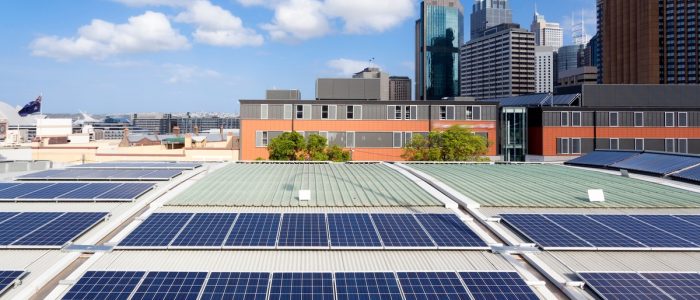
The decision to transition a commercial property to solar power represents a significant step forward for any business, promising long-term energy savings and a reduced carbon footprint. However, before the first panel arrives on site, a rigorous evaluation of the existing building structure must occur to verify that it can support the additional load safely and effectively. A structural analysis for commercial solar installation ensures that the roof and its supporting elements can withstand the weight of the equipment and environmental forces such as wind and snow.
Without this detailed examination, a project risks severe safety hazards, property damage, and costly delays that could derail the entire investment. The analysis examines every beam, truss, and column to determine if reinforcement is necessary or if the current framework suffices for the planned array. It is a mathematical and engineering verification process that translates the physical reality of a building into a safe platform for energy generation.
Evaluation of Existing Roof Load Capacity
Civil engineers assess the current roof deck to determine whether it can safely handle additional weight. They calculate the dead load of the roof materials and the live load from the weather. This step prevents structural failure and ensures the building remains safe for all daily occupants.
The team reviews original blueprints to understand the design limits set during the initial construction. They inspect the physical condition of the roof to spot any signs of past deterioration. This thorough review guarantees the structure supports the new solar array without any dangerous compromise.
Snow Load Calculations for Safety
Snow accumulation adds immense weight to a roof, especially when panels trap drifts in winter. Analysts use local weather data to estimate the maximum snow load the roof must support. This calculation protects the building from collapse under the heavy burden of a winter storm.
The angle of the panels can affect how snow slides off or accumulates on top. Engineers adjust the tilt to minimize retention and reduce the stress on the roof structure. This careful planning prevents damage to the equipment and the underlying roof deck all winter.
Impact of Wind Uplift and Pressure
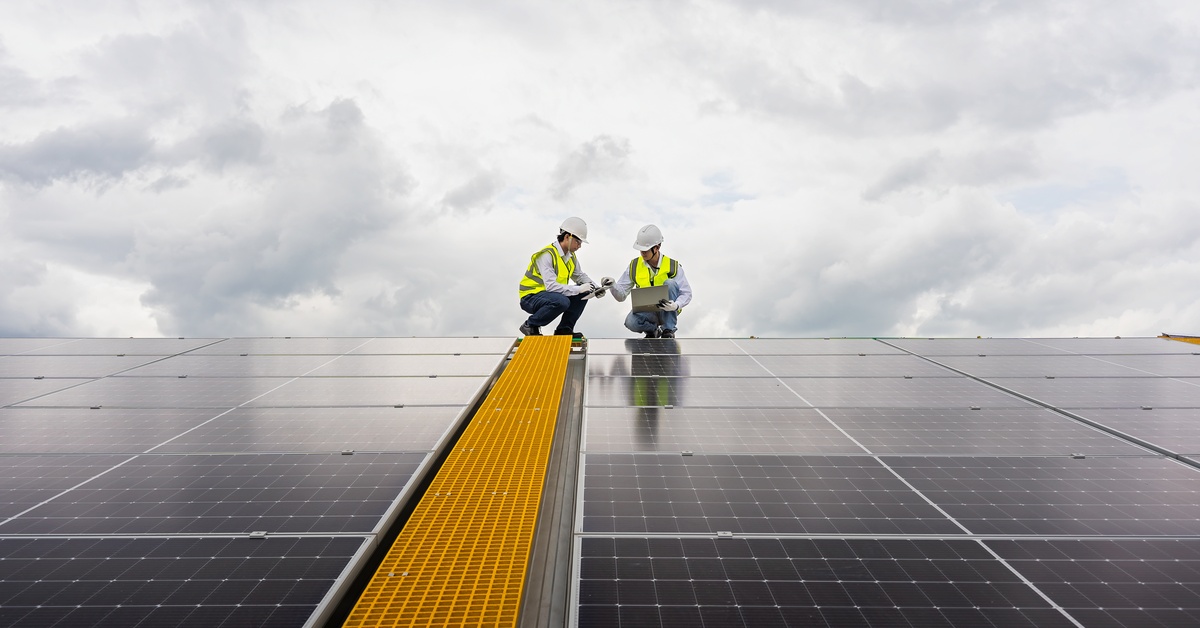
Wind forces exert significant pressure on solar panels mounted on large, flat commercial roof surfaces. Engineers model these forces to predict how the array behaves during severe and sudden storms. This data helps them design secure attachment methods that keep the system anchored in place.
High winds create uplift that tries to rip the panels from their mounted racking systems. Proper analysis determines the exact ballast weight needed to counteract this powerful upward force effectively. Working with professional commercial solar panel installers will ensure the system resists these dangerous environmental pressures.
Seismic Considerations in Earthquake Zones
Seismic activity poses a unique threat to rooftop equipment in specific geographic regions. The analysis includes checks for lateral movement that occurs when the ground shakes beneath buildings. This evaluation ensures the connections between the solar array and the building remain completely intact.
Engineers design flexible mounts that absorb shock rather than transferring it directly to the panels. They reinforce the main structural elements to handle the added stress of a seismic event. This preparation keeps the solar investment safe even when the Earth moves unexpectedly below it.
Connection Point Integrity and Strength
The points where the solar racking attaches to the building structure require extreme strength checks. Inspectors verify the roof deck’s material composition to select the correct fastener type. This detail prevents the attachments from pulling out or failing over the system’s life span.
Each connection point must seal perfectly to prevent water leaks that damage the building’s interior. The team specifies waterproof flashing methods that integrate seamlessly with the existing roof membrane system. This attention to detail protects the property from water damage while securing the heavy array.
Analysis of Truss and Beam Support
Steel or wood trusses bear the primary weight of the roof and the new equipment. Engineers calculate the stress in each truss member to identify potential weak points quickly. This mathematical review determines whether the trusses require steel reinforcement plates or additional cross-bracing.
Beams that span large open spaces must not sag under the concentrated weight of panels. The analysis checks deflection limits to keep the roof flat and the structure totally stable. This verification maintains the structural integrity of the entire building for decades of solar production.
Racking System Weight Distribution Plans
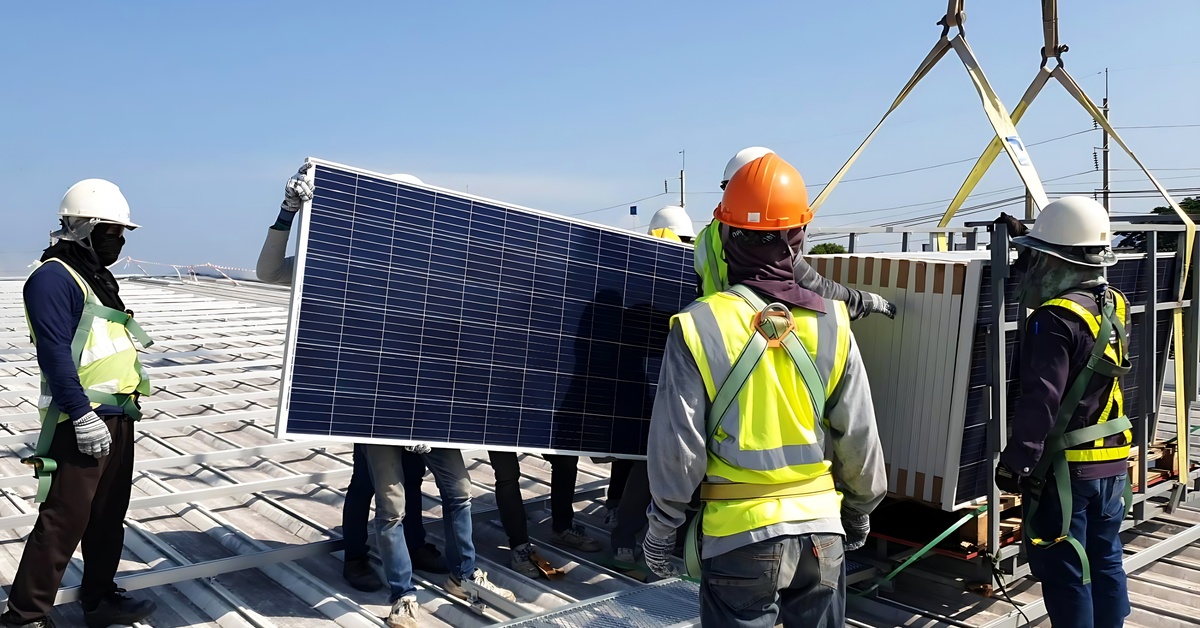
The metal racking system that holds the panels adds its own weight to the equation. Planners distribute this weight evenly across the roof surface to avoid dangerous point load situations. This strategy prevents damage to the insulation and membrane layers directly underneath the metal feet.
Engineers select racking materials that offer high strength but weigh less than standard steel options. They position the racks over structural columns whenever possible to transfer loads directly to foundations. This smart layout optimizes the structural performance and minimizes the need for expensive roof reinforcement.
Thermal Expansion and Contraction Effects
Materials expand and contract as temperatures fluctuate drastically between day and night throughout the year. The analysis accounts for this movement to prevent stress on the roof and panel connections. This foresight stops bolts from loosening and membranes from tearing due to constant thermal cycles.
Expansion joints allow the solar array to move independently from the roof structure underneath it. Engineers place these joints at specific intervals to accommodate the expected range of material movement. This design feature extends the life of both the roof and the solar power system.
Foundation and Soil Stability Checks
Ground-mount systems require a detailed assessment of soil conditions and foundation depth. Geotechnical reports reveal whether the ground can support the concrete piers or driven metal piles. This information dictates the size and depth of the footings needed to secure the array.
Soft soil may require deeper foundations to prevent the system from sinking or shifting over time. Engineers calculate the frost line depth to ensure heaving does not disturb the solar mounts. This groundwork guarantees a stable base for the panels regardless of ground moisture or freezing.
Regulatory Compliance and Code Adherence
Local building codes dictate strict safety standards for all commercial solar additions and structural changes. The structural analysis for commercial solar installation proves to city officials that the project meets every single required safety standard. This documentation is the key to obtaining the necessary construction permits from the local authority.
Engineers stamp the plans to certify they reviewed and approved the structural calculations for safety. This professional seal of approval shifts liability and assures the building owner of project quality. This final step clears the path for a compliant, safe, and legal solar installation project.
The successful integration of a commercial solar system relies heavily on the precision and depth of the structural analysis performed at the outset. It transforms a complex construction project into a calculated, safe improvement that adds value without compromising the building’s integrity.
This technical due diligence protects the business owner from liability, ensures the safety of occupants, and secures the financial investment in renewable energy. When the structural foundation is sound, the solar array can perform optimally for decades, delivering clean power and economic returns.