Homeowners seek energy independence through the power of the sun. This desire drives the market for renewable technology on private property. However, the installation of photovoltaic hardware requires explicit legal permission from local authorities.
Government entities mandate these approvals to maintain safety standards within the community. The process protects residents from electrical hazards and structural failures. It also allows emergency crews to work safely around the new equipment.
Many people underestimate the complexity of the paperwork involved. Errors on forms often lead to immediate rejection of the application. Delays cost money and significantly extend your project’s timeline, which requires a new budgeting strategy.
A clear comprehension of the requirements for residential solar panel installation helps you avoid these common pitfalls. Success requires attention to detail and adherence to all regulations. Follow this path to legalize your system and activate your clean energy source.
Research Local Regulations
You must research local laws before you draft plans for any new solar power project. City codes dictate strict rules for the placement of equipment on your roof. Ignorance of these laws causes delays that halt progress on your clean-energy system installation.
Contact the structure department to request a list of requirements for all solar energy permits. They provide checklists that outline every document you must submit to gain official project approval. Careful attention to these lists saves time and prevents rejection of your initial permit packet.
Assess Structural Integrity
An expert must examine the roof to prove it can support the heavy solar hardware. Weak rafters require reinforcement to hold the extra weight of the glass and metal frames. You submit a letter from this expert to verify the safety of the proposed addition.
The analysis accounts for wind loads and snow accumulation on the panels throughout the winter. Older homes often need upgrades to their truss systems to meet current safety codes.
Design Electrical Schematics
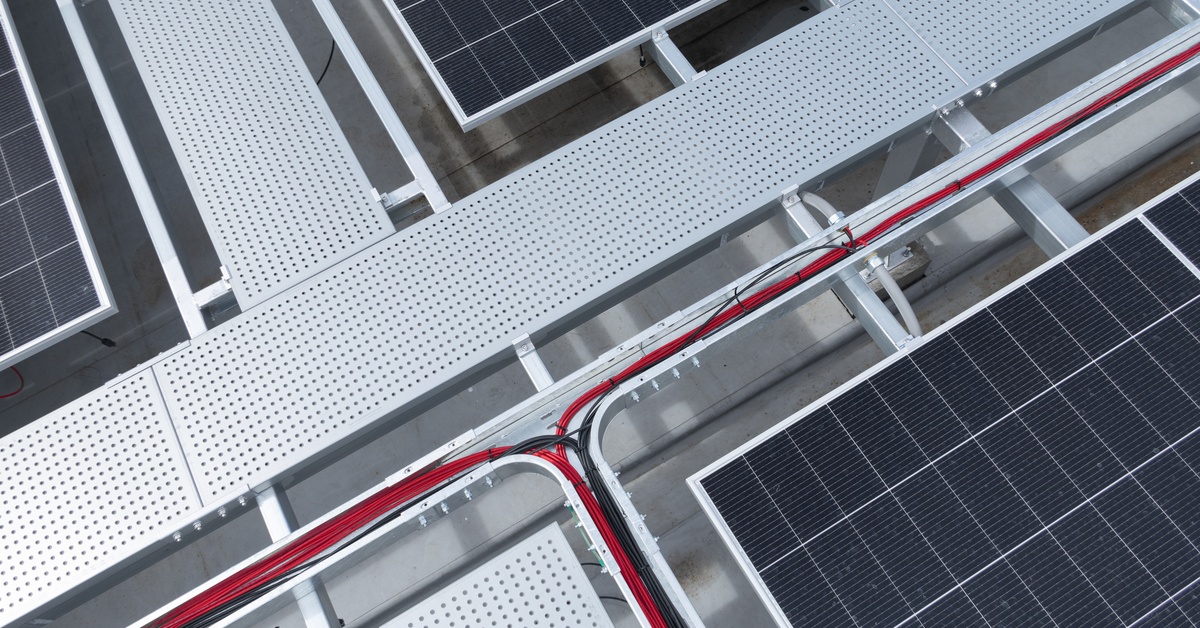
You need a detailed diagram that shows how the system connects to the main grid. This plan must display the inverter location and the path of every single copper wire. Inspectors review this map to ensure the setup prevents fires and dangerous short-circuit events.
The utility company also requests a copy of this drawing to protect its work crews. Your plan must adhere to the National Electrical Code and all local amendments without exception. Accurate diagrams enable safe system maintenance for all repair crews in the future.
Fire Safety Compliance
Fire codes require clear pathways on the roof for emergency access via the access ladders. You must leave space around the edges and the ridge for smoke ventilation cut operations. The permit office rejects any design that blocks these vital zones for the fire department.
Labels must mark all conduits and components to warn firefighters of high-voltage shock hazards. These red placards help crews identify the solar shutoff switch in a panic or rush. Compliance protects your family and the brave first responders who save lives in a fire.
Association Rule Check
Homeowner groups often enforce aesthetic rules that limit where you can place your energy modules. You must review the bylaws of your community to avoid fines or removal of equipment. Some states protect your right to solar but allow reasonable restrictions on the visible layout.
Submit a request to the architectural committee before you pay for any permits or materials. They review the visual impact of the array on the street view and property values. Written approval from this board prevents legal disputes with your neighbors down the road later.
Prepare Document Packet
One of the most important permitting steps in residential solar panel installation is to compile all datasheets for the panels, inverters, and racks into a single cohesive file folder. The manufacturer provides these specification sheets to prove the equipment meets all US safety standards. You must include proof of your homeownership and the tax parcel number on the forms.
Organize the pages in the exact order requested by the city’s application instructions. A messy application frustrates the reviewer and slows down the issuance of your construction permit. Double-check every signature and date field to ensure the paperwork is complete and valid.
Submit The Application

Bring the complete packet to the permit counter or upload it to the online portal. You must pay the review fee now to initiate the official evaluation process. The clerk checks for basic completeness before accepting the file for technical review.
Keep a copy of every page you submit for your own personal records and reference. The office assigns a tracking number that allows you to monitor the status of the review. Use this number to check for updates on the progress of your solar permit request.
Address Review Comments
The plan reviewer often requests changes or asks questions about specific details in your design. You must respond to these corrections quickly to keep the process on the right track. Clear answers demonstrate your competence and help the official feel confident in your safety measures.
Revise the drawings to reflect the requested changes and resubmit them to the department immediately. Do not argue with the reviewer unless you have a code section to back you up. Cooperation moves the file toward the final stamp of approval much faster than a conflict.
Receive Permit Approval
The department issues the permit once all technical requirements satisfy the strict code official team. You must post this card in a visible spot at the job site for inspection. This document grants you the legal right to begin construction work on your private residence.
Review the conditions listed on the card to understand when you must call for checks. The permit expires if you do not start work within a specified window. Investing in high-quality residential solar panels will ensure you comply with regulations and maintain your approval clean.
Final System Inspection
You must schedule a visit from the city inspector after the installation work is complete. The official examines the conduit, the mount, and the labels to match the approved plans. They open electrical boxes to check wire connections and ensure that everything meets safety codes.
If they find a violation, you must fix the issue and schedule a new visit. A pass on this final check allows you to turn the system power on. You now possess a legal and safe solar array that powers your home with the sun.
The journey to energize your home with solar power relies on adherence to strict rules. A permit serves as the bridge between your plan and a safe, legal reality. It validates the structural soundness of your roof and the safety of your electrical circuits.
While the steps seem numerous, they follow a logical order designed for public safety. Thorough preparation allows you to move through the review phase with minimal stress or delay. Secure your permits first, and then enjoy the benefits of clean, renewable energy production.