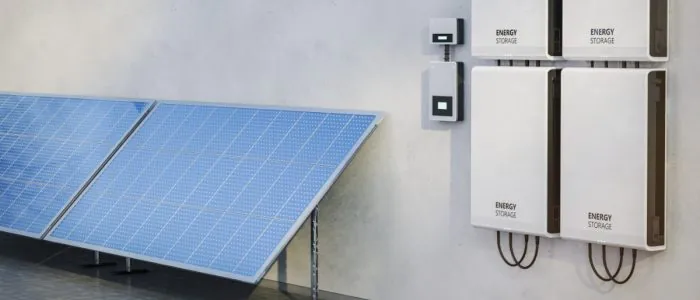
Megapack and Powerwall systems define two distinct paths for energy storage across residential and commercial settings, with clear technical and financial differences. Each system reflects Tesla engineering with advanced battery chemistry and integrated software that supports energy independence across varied energy demands. A clear comparison helps property owners and businesses select solutions that align with energy goals and operational requirements across diverse environments.
Energy storage now plays a central role in solar adoption as property owners seek resilience against grid instability and rising utility costs. Tesla offers scalable solutions that address these concerns through systems designed for either home use or large-scale deployment. Understanding the differences between Tesla Megapack and Powerwall can help decision-makers plan energy strategies that meet performance expectations and budget constraints.
System Scale and Intended Use
The Tesla Powerwall supports residential energy storage with a compact footprint that fits homes without requiring large installation spaces or complex infrastructure. It allows homeowners to store solar energy for nighttime use and provides backup during outages that affect local grid reliability. This system suits single homes or small properties that require moderate storage capacity and efficient integration with rooftop solar systems.
The Tesla Megapack serves large commercial or utility projects that require massive storage capacity across wide areas with high demand profiles. It integrates into grid-scale operations and supports renewable energy farms that must stabilize power output during variable generation conditions. This system meets the needs of large operations that manage extensive energy loads across industrial or municipal applications.
Energy Capacity and Output
The Powerwall delivers a modest energy capacity designed for residential use where daily energy cycles remain predictable and manageable for households. It provides enough stored energy to support essential appliances and critical systems during outages or periods of high utility rates. Homeowners gain control over energy consumption without the need for large infrastructure investments or complex site preparation.
The Megapack offers significantly greater capacity and output that supports entire facilities, solar farms, or grid stabilization projects across wide service areas. Its design allows for rapid deployment at scale, which helps utilities manage peak demand and maintain stable power delivery across networks. This level of storage supports energy shifting across hours or days depending on operational requirements and grid conditions.
Integration with Solar Systems
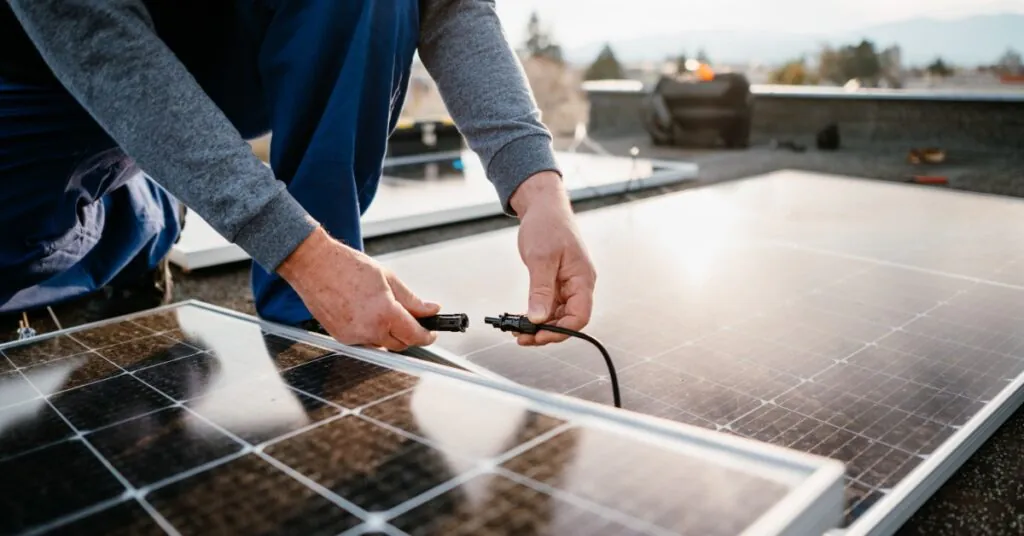
The Powerwall pairs seamlessly with residential solar panels and supports daily energy use patterns that optimize self-consumption and reduce grid reliance. It stores excess solar production during daylight hours and releases stored energy when demand rises during evening or peak rate periods. This integration helps homeowners maximize solar investments and maintain consistent power availability across varying conditions.
The Megapack connects with large solar farms and renewable energy installations that require robust storage to manage intermittent generation patterns effectively. It captures surplus energy during peak production periods and distributes power when solar output decreases or demand increases across service regions. This capability supports grid stability and enables higher penetration of renewable energy across large-scale operations.
Cost Structure and Investment Considerations
The Powerwall presents a lower entry cost that aligns with residential budgets and delivers measurable savings through energy optimization and backup reliability. Incentives and tax credits often reduce upfront expenses, which makes the system more accessible for homeowners across various markets. Over time, users benefit from reduced electricity bills and improved energy independence within their homes.
The Megapack requires a substantial investment that reflects its capacity and advanced performance capabilities across industrial or utility applications. Organizations evaluate return on investment based on energy savings and improved grid reliability over extended operational periods. Investing in a Tesla Megapack is the best solution to manage large-scale energy demand with reliability and efficiency across complex systems.
Performance and Efficiency
The Powerwall operates with high efficiency levels that ensure minimal energy loss during storage and discharge cycles within residential environments. Its smart management system adjusts performance based on usage patterns, weather forecasts, and grid conditions to maintain optimal operation. This consistent performance supports daily energy needs and enhances overall system reliability for homeowners.
The Megapack delivers strong efficiency at scale and supports rapid response to grid fluctuations that require immediate energy deployment across large systems. Its advanced controls manage charge and discharge cycles with precision, which helps maintain stability across interconnected networks and facilities. This performance ensures reliable operation even under demanding conditions that involve large energy transfers.
Scalability and Expansion

The Powerwall allows homeowners to expand storage capacity through additional units that connect into a single system with coordinated control. This modular approach supports gradual upgrades as energy needs change or as homeowners invest in additional solar capacity over time. It offers flexibility without requiring major redesigns or extensive construction work on residential properties.
The Megapack supports extensive scalability through modular units that combine into large arrays capable of supporting utility-scale energy storage projects. Operators deploy multiple units across sites to meet growing demand and adapt to future energy requirements within expanding networks. This flexibility enables long-range planning and supports evolving energy strategies across commercial and municipal sectors.
Maintenance and Longevity
The Powerwall requires minimal maintenance due to its sealed design and automated monitoring systems that detect issues and optimize performance over time. Homeowners benefit from remote updates and diagnostics that reduce the need for frequent service visits or manual adjustments. This low-maintenance approach supports long-term reliability and ease of ownership within residential environments.
The Megapack includes monitoring systems and maintenance protocols designed for large installations that require oversight across multiple units and locations. Service teams perform inspections and updates to ensure consistent performance and compliance with operational standards across complex systems. This structured maintenance approach supports durability and sustained performance over extended operational lifespans.
Grid Interaction and Backup Capabilities
The Powerwall interacts with the grid to provide backup power during outages and supports time-based control that reduces electricity costs during peak rate periods. It isolates the home during outages and maintains essential systems without interruption until grid service returns. This capability ensures continuity and comfort for homeowners during unexpected power disruptions.
The Megapack interacts with the grid on a broader scale and supports frequency regulation, load balancing, and energy shifting across large service areas. It provides backup support for critical infrastructure and enhances grid resilience during high demand or emergency situations. This role strengthens overall grid performance and supports reliable power distribution across regions.
The main differences between Tesla Powerwall and Megapack systems address different energy needs through distinct designs that reflect residential and utility-scale requirements across modern power landscapes. Each solution delivers value within its intended use case and supports broader goals of energy independence and renewable integration. Decision-makers must evaluate scale, cost, and operational demands to select the system that aligns with their objectives.
Both systems demonstrate how advanced storage technology can reshape energy management across homes and businesses, with reliable and efficient solutions. As renewable energy adoption increases, these storage systems will continue to play a key role in stabilizing power supply and enhancing grid performance.