Commercial solar power continues to gain momentum as businesses pursue lower operating costs and stronger energy resilience. A well-designed solar system can offset high utility expenses, support sustainability goals, and strengthen long-term property value. As more companies invest in on-site energy production, proper planning becomes essential to protect that investment.
Most large commercial buildings use flat membrane roofing systems such as TPO or modified bitumen. These roofing types remain the standard across warehouses, retail centers, and industrial facilities due to cost efficiency and scalability. However, not every commercial or mixed-use structure follows this model.
Certain properties, including small commercial buildings, office conversions, retail storefronts, and mixed-use developments, may feature asphalt shingles or metal roofing. In these cases, roof material plays a significant role in solar design, mounting methods, and long-term system performance. Understanding solar panel installation on asphalt and metal roofs will help property owners make informed decisions when those materials apply.
While flat membrane systems dominate the commercial sector, asphalt and metal roofs still represent important categories within specific building types. Evaluating durability, lifespan compatibility, installation approach, and maintenance requirements ensures the solar system aligns with the structure beneath it. A thoughtful assessment at the start supports long-term efficiency, reliability, and return on investment.
Metal Roofs Offer Long-Term Value and Durability
Metal roofs outlast other options due to strong materials that resist weather and corrosion. These roofs require less maintenance and often match the lifespan of quality solar systems. Their durability supports long-term energy planning without frequent structural changes.
The ridges in metal roofs help mount solar panels without needing roof penetration. This preserves roof integrity and reduces water leakage risks over time. Installers often favor standing seam metal for its strength and compatibility.
Asphalt Shingles Present an Economical Option
Asphalt shingles are common on many commercial structures due to low upfront material costs. These roofs offer flexibility for small to mid-sized properties with simple installation needs. However, their lifespan may not align with that of commercial-grade solar equipment.
Mounting solar panels on asphalt typically involves roof penetrations, which can introduce leak concerns. Regular inspections become necessary to ensure system performance and roof condition. Weather exposure tends to degrade asphalt faster than metal roofing alternatives.
Weight Considerations Differ Across Roofing Types
Metal roofs support heavier loads, making them better suited for larger solar arrays. This advantage increases design freedom for installers customizing systems to specific energy demands. Commercial buildings with steel framing pair well with this load-bearing capacity.
Asphalt shingles may need additional support to accommodate solar weight. Reinforcing structural elements becomes essential to meet safety codes and prevent sagging. These extra steps add time and cost to the project scope.
Lifespan Compatibility Affects ROI
Solar panels perform for 25 years or longer, demanding a roof with similar longevity. Metal roofs commonly last 40 to 70 years, depending on materials and conditions. This ensures the roof will not need replacement mid-way through the solar system’s life.
Asphalt roofs typically last 15 to 30 years, depending on climate and maintenance. If the roof deteriorates before the solar panels, system removal and reinstallation become necessary. This disrupts production and adds unplanned labor expenses.
Energy Efficiency Can Depend on Roofing Material
Metal roofs reflect more sunlight, helping regulate indoor temperature and reducing HVAC costs. This collaboration with solar generation supports deeper energy savings and year-round comfort. Light-colored metals perform especially well in warmer climates like Florida or Texas.
Asphalt shingles absorb heat, increasing internal building temperatures during summer. While this doesn’t directly affect solar performance, it raises cooling demands. Businesses may see less total energy savings when combining solar with asphalt shingles.
Maintenance Frequency Differs Substantially
Metal roofs need fewer repairs over their lifespan due to strong seams and fewer weak points. Their resistance to moisture and pests reduces intervention needs after solar installation. This stability enhances the performance of solar energy systems.
Asphalt roofs can experience granule loss, curling, or cracking over time. These issues accelerate when access exists from panel mounting. Keeping the system in peak condition may require more frequent roofing inspections.
Installation Methods Vary Between Roof Types
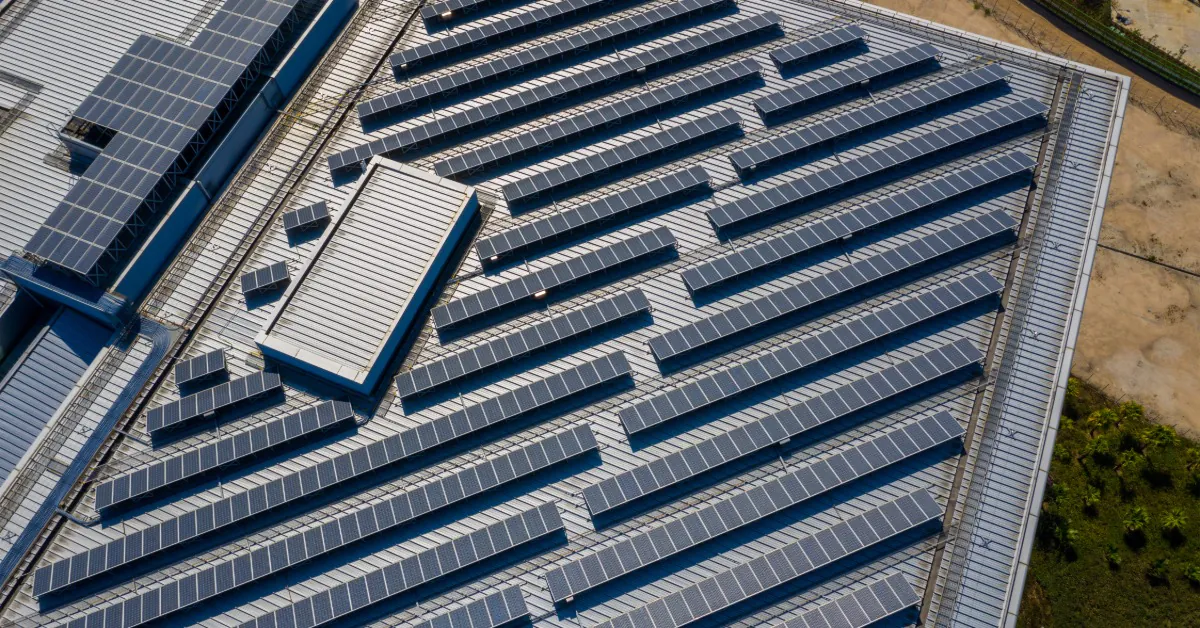
Metal roofs allow for clamp-on mounts that preserve material integrity and speed up the process. These non-invasive methods reduce labor costs and extend the roof’s usable life. Installers appreciate the secure grip without drilling holes.
Asphalt requires lag bolts and flashing, making it a more complex install. Penetrating the roof increases installation time and introduces potential points of failure. Installers must carefully seal these areas to avoid long-term damage.
Compatibility with Battery Storage and EV Charging
Commercial solar systems often integrate with battery backups or EV charging stations. Metal roofs support the extra infrastructure due to their strength and cooling benefits. These integrations improve self-sufficiency during outages or high-demand periods.
Asphalt may need reinforcements before safely supporting battery storage installations. Thermal regulation challenges may affect battery efficiency on overheated shingle roofs. Professional design becomes essential to optimize outcomes across all components.
Choosing the Right Roofing Partner Matters
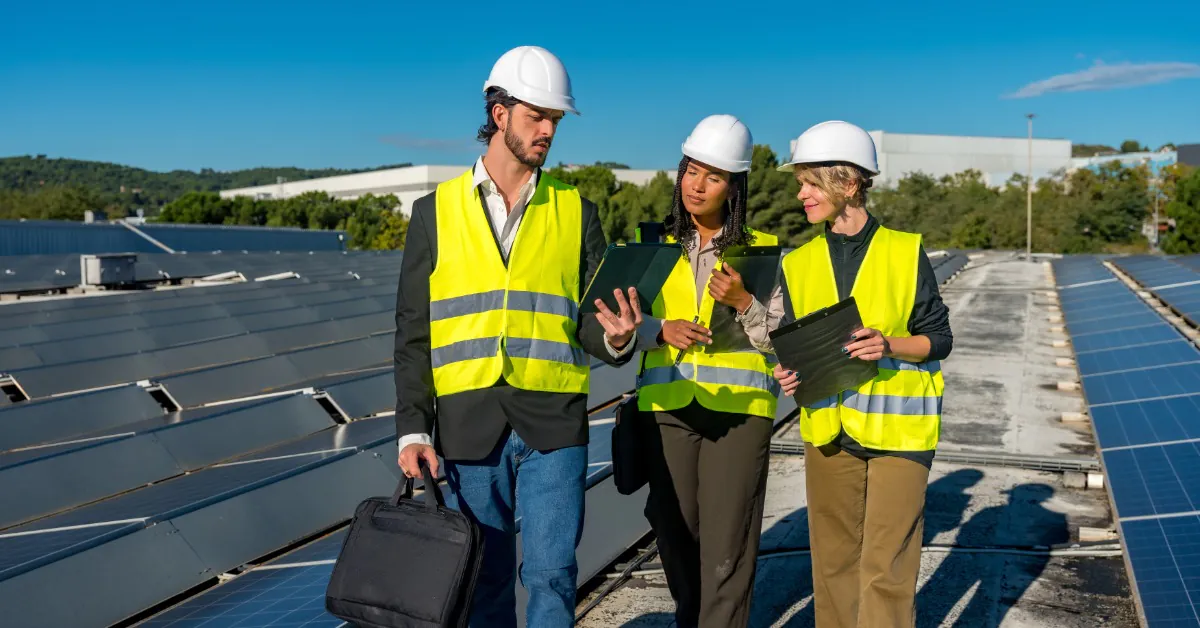
Roof material is one factor, but installer experience makes a significant difference. Certified experts assess structural integrity, optimize angles, and recommend best-fit mounting systems. Their input ensures maximum efficiency and energy output over time.
Working with the right professionals in commercial solar panel installation is the best way to ensure a reliable, future-proof investment that balances performance and durability across roofing types. Experienced professionals will ensure the installation process goes smoothly and functions as intended. When you invest in the right system and the best help, you will create a sustainable power environment that ensures positive results.
Cost Differences in Installation and Maintenance
One of the main differences between installing commercial solar panels on asphalt or metal roofs is that initial installation costs on metal roofs are lower because of fewer labor hours. Less equipment is necessary, and mounting hardware is often simpler. These efficiencies help recoup investment more quickly.
Asphalt roofing may seem cheaper, but it involves more labor-intensive steps. Sealants and flashing materials add cost and time. Over the years, more repairs and touch-ups also increased long-term ownership expenses.
Metal and asphalt roofs support commercial solar systems, but they present different trade-offs. Metal offers superior longevity, faster installation, and enhanced structural reliability. Asphalt provides a familiar, cost-effective option but may require more upkeep and earlier replacement.
For businesses focused on long-term savings, energy efficiency, and minimal interruptions, metal roofing often proves advantageous. However, building design, local codes, and budget should influence the final decision. Partnering with a trusted solar provider ensures you receive tailored recommendations that support energy independence and lasting value.