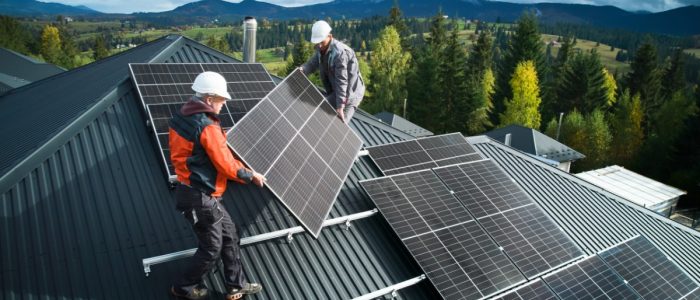
Solar roof mounts require careful choice between flashing systems and non-penetrating options to protect the structure and maintain performance. Property owners often seek reliable methods that support panel stability and reduce risk across varied weather conditions and roof materials. Each option presents distinct benefits and limits that affect cost, durability, and maintenance needs across residential and commercial installations.
Roof integrity stands as a priority when solar systems enter design discussions for new builds or retrofits across diverse architectural styles. Mount selection influences structural load transfer and visual appearance, which affect satisfaction and system longevity. A clear understanding of flashing vs. non-penetrating solar panel roof mounts will help you make informed decisions that match project goals and budget expectations.
Understanding Flashing Mount Systems
Flashing mounts create sealed entry points where hardware attaches directly to rafters, with metal layers that direct water away from penetrations. This method relies on precise placement and proper seal application to avoid leaks and protect roofing materials from premature wear.
Proper installation demands skilled labor and accurate alignment to ensure each flashing piece integrates with existing roof layers without gaps or stress. Sealants and fasteners must meet manufacturer standards to maintain warranties and deliver dependable water control through seasonal temperature changes and storms. Regular inspection helps confirm that seals remain intact and that debris does not obstruct water paths around the mount points.
Overview of Non-Penetrating Mount Systems
Non-penetrating mounts rely on ballast or clamps that secure panels without drilling into the roof surface, which reduces the risk of leaks. This approach suits flat roofs and certain metal systems where structural capacity can support added weight without compromising safety or performance. Engineers must assess load limits to confirm that ballast weight will not exceed design thresholds under wind uplift or snow accumulation events.
Clamping systems attach to seams on standing seam metal roofs, which avoids punctures and preserves manufacturer warranties for many installations. Ballasted arrays use weighted trays that hold panels in place, with careful layout to resist movement during high winds and storms. Maintenance teams must check weight distribution and confirm that materials remain stable over time without shifting or surface damage.
Structural Impact on Roofs

Structural considerations differ between methods, as flashing transfers loads directly into rafters through anchored connections that provide firm support. This direct attachment reduces reliance on roof membranes for stability, yet it introduces penetrations that require careful sealing and inspection over time. Non-penetrating systems distribute weight across surfaces, which can reduce stress concentration but may increase total load on the roof structure.
Engineers evaluate roof capacity, material condition, and age to determine whether added weight or penetrations pose risks to long-term performance. Flashing mounts often suit pitched roofs with accessible rafters, whereas ballast systems align with flat roofs designed for higher load tolerance. Accurate calculations and site assessments help ensure that each system meets safety standards and performs as intended across its service life.
Installation Complexity and Time
Installation time varies between systems, as flashing requires precise drilling and alignment that can extend project duration for larger arrays. Crews must locate rafters and install flashing components with care to avoid errors that could lead to leaks or reduced performance. Non-penetrating systems often install faster, as they avoid drilling and rely on the placement of ballast or clamps across prepared surfaces.
Reduced installation steps can lower labor costs and minimize disruption for building occupants, especially in commercial settings with strict operational schedules. However, ballast systems still require careful layout and secure placement to meet wind resistance standards and ensure lasting stability. Project timelines depend on roof type, system size, and crew experience, all of which influence overall efficiency and cost.
Cost Considerations
Cost differences arise from materials and maintenance needs associated with each mounting approach across diverse project conditions and roof types. Flashing systems may involve higher labor expenses due to precision work and additional components, yet they can offer durable performance with proper care. Non-penetrating systems can reduce labor time, though ballast materials and engineering assessments may add to upfront costs.
Budget planning must include maintenance, as flashing seals require inspection and potential replacement over time to maintain water resistance. Ballast systems may demand periodic checks to confirm weight stability and surface condition, especially after severe weather events that could shift components. A comprehensive cost analysis helps owners choose solutions that align with financial goals and performance expectations over the system’s lifespan.
Aesthetic and Design Factors
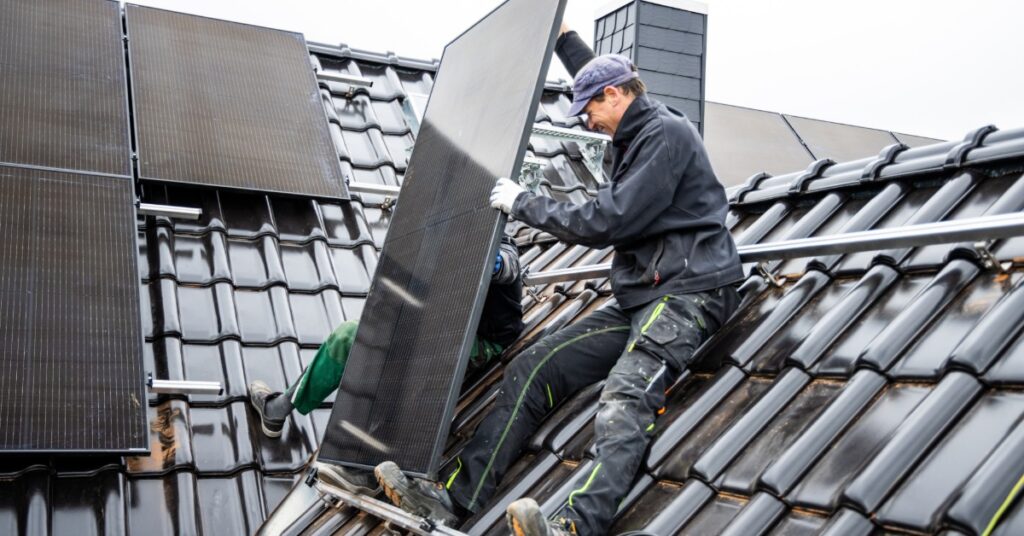
Visual impact can influence mount selection, as flashing systems often sit closer to the roof surface and create a streamlined appearance on pitched roofs. Homeowners may prefer this low-profile look, which integrates with existing architecture and maintains curb appeal for residential properties. Non-penetrating systems on flat roofs remain less visible from ground level, which can preserve building aesthetics in urban environments.
Design teams consider panel tilt, spacing, and alignment to optimize energy production and maintain a cohesive appearance across the installation. Flashing mounts support fixed angles that align with roof pitch, whereas ballast systems can adjust tilt for improved solar exposure. A balanced approach ensures that performance goals align with visual preferences and architectural context for each project.
Safety and Compliance
Safety standards govern installation practices, with strict requirements for structural attachment, electrical grounding, and worker protection across all solar projects. Flashing systems must meet building codes for penetrations and sealing to prevent water intrusion and maintain roof integrity under various conditions. Non-penetrating systems must satisfy load and wind resistance criteria to ensure that arrays remain secure during extreme weather events.
Permits and inspections verify compliance with local regulations, which helps protect property owners and installers from liability and performance issues. Proper documentation and adherence to standards support system reliability and ensure eligibility for incentives or warranties tied to code compliance. Training and certification for installers further enhance safety and quality across all phases of the project.
Professional Expertise and Decision Support
Professional input helps clarify the best mount choice based on roof type and project goals, with experienced teams offering tailored recommendations. As professionals in solar power panel installation, Go Solar Power can evaluate site conditions and propose solutions that balance cost, performance, and durability. Expert assessment reduces uncertainty and helps ensure that installations meet both technical standards and owner expectations.
Consultation includes structural analysis and system design that aligns with energy needs and available roof space for each property. Skilled teams coordinate installation and maintenance planning to support consistent performance over the system’s lifespan. Reliable expertise provides confidence in decision-making and helps avoid common pitfalls that could affect system efficiency or roof integrity.
Flashing and non-penetrating solar panel mounts each offer valid solutions for solar installations, with distinct advantages that suit different roof types and project requirements. Careful evaluation of structural impact, cost, and maintenance needs helps determine the most appropriate approach for each scenario. Informed decisions support system performance and deliver reliable renewable energy for many years.
A thoughtful approach ensures that solar installations achieve functional and aesthetic success. Collaboration with experienced professionals enhances outcomes and reduces risk across all stages of the project lifecycle. With proper planning and execution, either mounting method can provide durable support for efficient solar energy systems.