Adopting commercial solar power solutions has become a strategic choice for modern warehouse operations. With rising energy costs and growing concerns about environmental sustainability, businesses continue to look for ways to optimize energy use while contributing to the global effort to combat climate change.
Solar energy provides a clean, renewable source of power that reduces operational expenses and enhances the sustainability profile of businesses in an increasingly eco-conscious market. For warehouse owners, solar power systems offer a practical and cost-effective solution to meet their energy demands, improve reliability, and drive long-term efficiency.
Commercial solar power solutions can transform warehouse operations by improving resilience and advancing sustainability goals. Understanding the key benefits, considerations, and impacts of solar implementation will help you enhance performance, drive development, and support long-term expansion.
Understanding the Benefits of Solar Power for Warehouses
Solar energy delivers measurable advantages that extend far beyond simple cost savings. From reducing operational expenses and improving energy reliability to strengthening your sustainability credentials, commercial solar systems provide warehouses with strategic benefits that impact both short-term performance and long-term competitiveness. These key advantages make solar power an increasingly essential investment for modern warehouse operations.
Lower Operational Costs
Solar power significantly reduces electricity bills, allowing businesses to allocate those savings to other essential operations or growth opportunities. With renewable energy, warehouses can achieve long-term financial stability.
Energy Dependability
Solar panels provide a reliable source of energy, even during fluctuating demands or peak usage periods. This consistency reduces the risk of downtime and ensures steady operations.
Environmental Sustainability
Utilizing solar power cuts greenhouse gas emissions, helping businesses lower their carbon footprint. This shift positions companies as leaders in sustainability, demonstrating a commitment to responsible environmental practices.
Alignment With Environmental Standards
Solar-powered warehouses meet modern environmental regulations and industry standards, ensuring compliance with eco-friendly operations.
Stronger Business Partnerships
Renewable energy solutions attract eco-conscious clients and vendors. Solar power demonstrates a commitment to sustainability, fostering valuable relationships and opening doors to new business opportunities.
Energy Independence
Solar power reduces dependence on traditional energy grids, giving warehouses more control over their energy sources. This independence can protect businesses from rising energy costs or supply uncertainties.
Optimizing Roof Space for Solar Panels
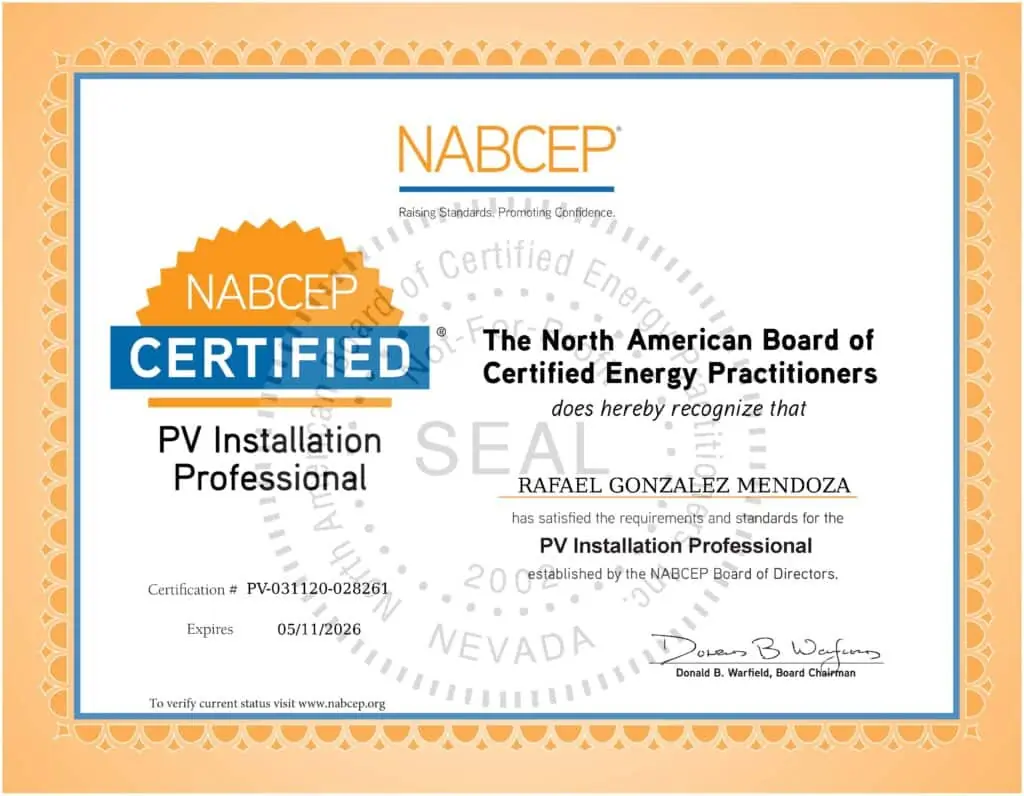
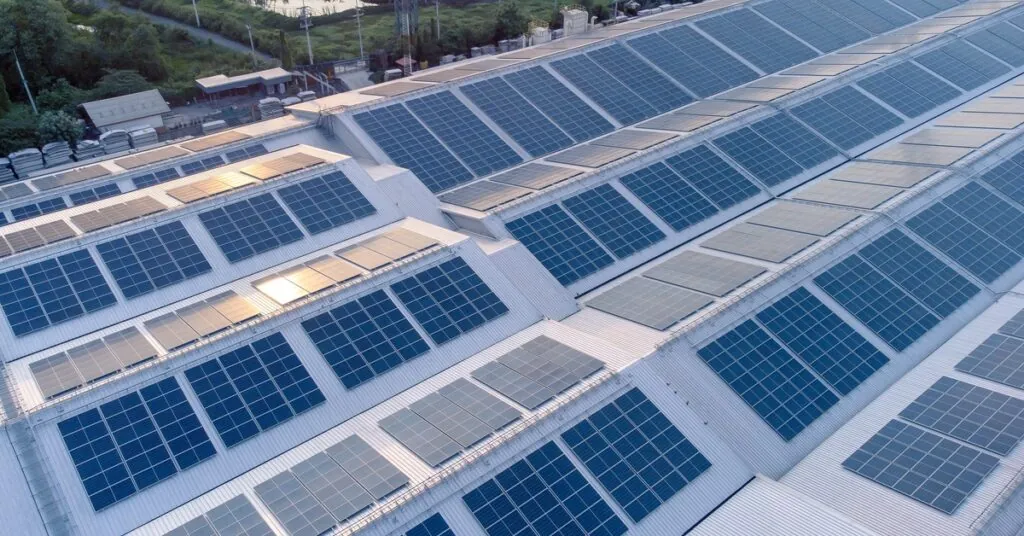
Warehouse rooftops offer ample space for placing solar panels. These flat surfaces contribute greatly to maximizing solar power generation without obstacles. Businesses can use this advantage to install systems tailored to their energy usage.
Effective rooftop installations minimize disruptions to warehouse functions while achieving scalable results. Custom designs ensure energy systems address peak and off-peak requirements. Harnessing free rooftop space also enhances the overall property value.
Achieving Financial Savings and Return on Investment
Investing in solar energy provides impressive returns, often recovering costs within a few years. Reduced electricity expenses lead to financial liquidity, enabling improved operational planning. Tax incentives and renewable energy credits provide additional financial advantages, further improving overall return on investment.
The financial stability gained from lower utility expenses can strengthen warehouse operations. This financial buffer can serve expansion projects or modernize equipment. Solar installations represent an intelligent business decision for future preparedness.
Building Environmental Responsibility and Brand Recognition
Adopting solar energy reflects a proactive effort toward environmental sustainability. This proactive approach reduces pollution and carbon emissions, creating measurable benefits for both local communities and broader ecosystems. This responsibility enhances the company’s overall reputation among stakeholders.
A demonstrated commitment to sustainability strengthens your market position by attracting environmentally conscious customers, investors, and business partners. This reputation advantage can lead to preferred vendor status with major retailers and distributors who prioritize working with eco-responsible suppliers. Beyond enhanced brand perception, environmental leadership often translates directly to increased customer loyalty and expanded partnership opportunities.
Ensuring Resilience Against Power Outages
Power reliability is critical for warehouse operations where even brief interruptions can disrupt inventory management, climate control systems, and automated equipment. Solar panels integrated with battery storage systems provide continuous energy availability, protecting operations during grid failures, peak demand periods, or severe weather events. This backup capability safeguards temperature-sensitive inventory, prevents costly downtime, and ensures that essential systems like security, lighting, and material handling equipment remain operational regardless of external power conditions.
Integrating Advanced Technology and Monitoring Systems
Technological solutions in commercial solar systems allow seamless integration with warehouse functions. Systems incorporate real-time monitoring tools that improve data-driven energy decisions. Advanced layouts ensure operational efficiency while maintaining compatibility with existing electrical frameworks.
Real-time monitoring software provides detailed insights into energy production and consumption patterns, enabling warehouse managers to optimize usage and predict maintenance needs before issues arise. These platforms send automatic alerts for performance anomalies or required servicing, reducing downtime and ensuring systems operate at peak efficiency.
Leveraging Incentives and Government Support
Federal, state, and local governments offer substantial financial incentives that significantly reduce the upfront cost of commercial solar installations. These include the federal Investment Tax Credit (ITC), which allows businesses to deduct a significant percentage of solar installation costs from their taxes, along with accelerated depreciation benefits through the Modified Accelerated Cost Recovery System (MACRS).
Many states and municipalities provide additional rebates, grants, and property tax exemptions specifically designed to encourage commercial renewable energy adoption.
Working With Professional Solar Installers
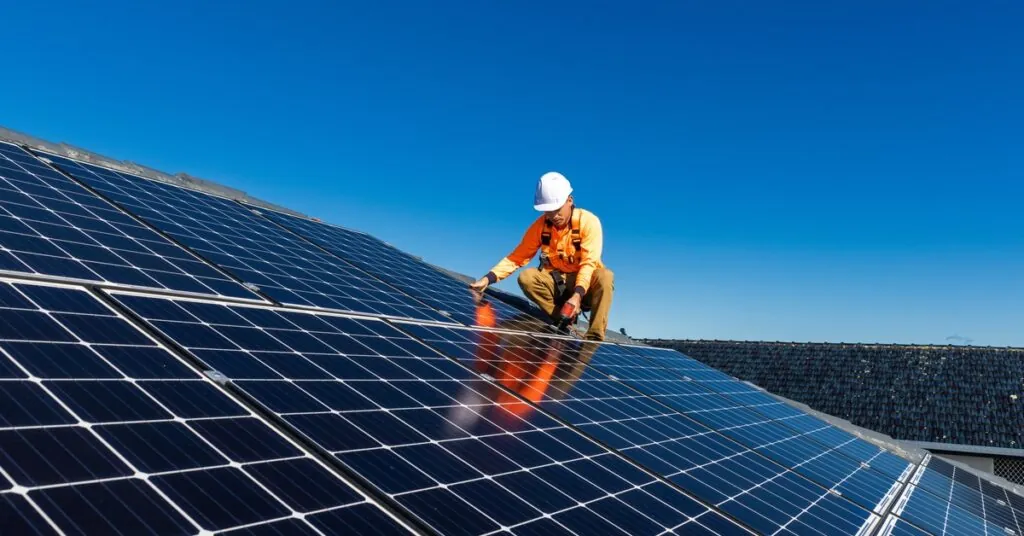
Working with professional commercial solar panel installers simplifies the transition process for warehouse owners. Experts carefully assess rooftop conditions, energy trends, and installation standards, ensuring optimal outcomes. Their expertise minimizes the possibility of errors and maximizes system productivity.
Professional installers also streamline the regulatory compliance process, saving time and avoiding complications. They tailor solutions to warehouse-specific energy and operational needs. Specialized installations guarantee systems deliver seamless and reliable performance.
Longevity and Durability of Solar Panels
Commercial-grade solar panels are built to provide decades of reliable performance, with most quality systems carrying substantial manufacturer warranties that guarantee consistent energy output over their operational lifetime. Modern panels are engineered to withstand extreme weather conditions, including high winds, heavy snow loads, hail, and significant temperature fluctuations, maintaining steady energy production year after year.
Quality manufacturers back their products with comprehensive warranties covering both equipment defects and long-term performance, ensuring panels maintain the majority of their original output capacity well into the future. Choosing certified equipment from established manufacturers provides assurance of durability and access to responsive support throughout the system’s lifespan.
Transitioning into the Future of Warehousing
Commercial solar power offers warehouse operations a proven path to reducing costs, improving energy independence, and meeting sustainability objectives. The combination of decreasing installation costs, substantial government incentives, and long-term energy savings makes solar an increasingly practical investment for warehouse facilities of all sizes.
By partnering with experienced solar installers and taking advantage of available tax credits and rebates, warehouse owners can implement systems that deliver immediate operational benefits while positioning their facilities for long-term success in an increasingly energy-conscious marketplace. The time to evaluate solar power for your warehouse operation is now.