Switching to solar power is an excellent decision for businesses willing to reduce their environmental impact and energy costs. Achieving LEED (Leadership in Energy and Environmental Design) certification can further improve a company’s sustainability efforts, showcasing its commitment to eco-friendly practices.
Solar power and LEED certification work together, creating a powerful statement for companies aiming to lead in environmental consciousness. This guide will provide insights into solar energy and its role in obtaining the appropriate certification. With clean energy solutions to green building standards, organizations can demonstrate their dedication to a sustainable future.
Whether you’re just starting your solar energy journey or seeking LEED certification, understanding the core principles can help you make informed decisions. Learn about the essentials, benefits, and practical steps to incorporate these eco-friendly solutions into your business operations.
Understanding Solar Power
Solar power harnesses sunlight using photovoltaic panels, creating renewable energy while reducing dependency on traditional energy sources. This clean energy alternative supports environmental goals, addressing the growing need for sustainable electricity generation methods. A transition to solar power can help businesses drastically decrease their environmental footprint, improving their brand image.
Solar systems lead to long-term financial savings, resulting in significantly lower monthly utility bills. Governments and organizations offer incentives and tax benefits for adopting solar energy technologies. These advantages make solar power a financially beneficial and environmentally conscious solution for businesses worldwide.
What is LEED Certification?
LEED certification is an internationally recognized standard for green building, focusing on energy efficiency and sustainability. This certification evaluates a building’s design, construction, and operational practices, ensuring they align with environmental goals. LEED-certified structures offer healthier and more energy-efficient environments for occupants.
Attaining LEED certification requires commitment to sustainable construction methods and resource-efficient design principles. Points in key categories, such as energy savings, water efficiency, and indoor environmental quality, determine the certification levels. A LEED-certified project reflects a business’s dedication to sustainable development.
How Solar Power Supports LEED Goals
Integrating solar power systems contributes to LEED certification requirements in categories such as energy efficiency and carbon reduction. Solar installations enhance a building’s energy performance, earning important points toward certification targets. They also demonstrate responsible energy strategy alignment with LEED guidelines.
Reducing reliance on fossil fuels, solar energy aligns with LEED’s emphasis on renewable energy solutions. A professional company offering commercial solar power solutions will ensure you get systems that meet LEED compliance. Partnering with industry professionals ensures a smooth process for better results.
Designing Energy-Efficient Buildings
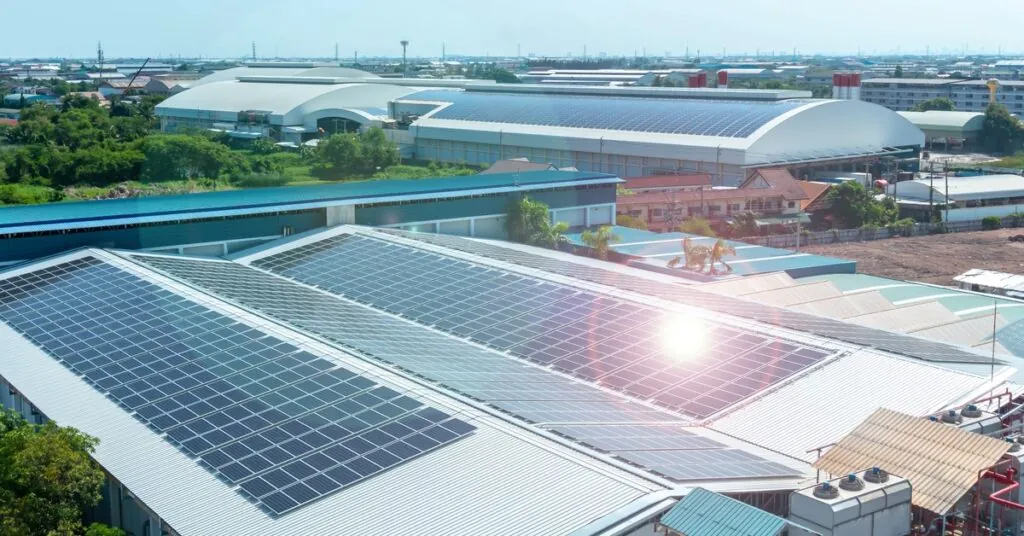
Energy-efficient designs are essential for structures aiming to achieve LEED certification. This includes incorporating strategies such as natural ventilation, energy-efficient lighting, and proper insulation. Solar panel integration within these designs can further amplify energy efficiency.
Architects and engineers collaborate to optimize building performance, using renewable energy sources and energy-saving technologies. Selecting appropriate materials and designing with precision lowers a building’s energy demand, allowing businesses to operate sustainably under LEED criteria.
Benefits of LEED Certification
LEED certification provides numerous advantages for organizations, individuals, and the environment. These are some of the benefits associated with achieving LEED certification:
- Lower Operational Costs: Energy-efficient systems, water conservation techniques, and sustainable materials lead to significant cost savings over time, making operations more financially sustainable.
- Improved Workplace Environment: Buildings with better air quality, natural lighting, and efficient ventilation systems contribute to healthier and more comfortable workspaces, boosting employee productivity and satisfaction.
- Stronger Marketability: LEED certification elevates a company’s reputation as a leader in sustainability, appealing to environmentally conscious clients and setting businesses apart from competitors.
- Alignment with Global Sustainability Goals: Achieving certification showcases a company’s commitment to environmental protection and aligns its operations with broader global efforts to combat climate change.
- Higher Property Value: Green buildings offer higher resale and rental values due to their energy efficiency, reduced utility costs, and overall appeal in the marketplace.
- Fostering Trust and Loyalty: LEED-certified companies demonstrate accountability and a forward-thinking mindset, which builds trust with investors, customers, and the community.
- Tax Incentives and Credits: Many governments provide financial incentives for sustainable construction, including grants, tax breaks, and credits, adding more economic benefits.
Steps Toward Solar Integration
Successful solar power integration begins with assessing energy needs and evaluating project viability. Conducting thorough site evaluations will determine optimal panel placement for maximum energy generation. Businesses must also consider potential challenges unique to their building configurations.
The next step involves selecting reliable solar panels and inverters. Installing high-quality components ensures optimal system performance and long-term reliability. Engaging experienced professionals guarantees smooth installation and preventive maintenance to meet commercial requirements seamlessly.
How to Qualify for LEED Certification

Qualifying for LEED certification involves planning, adherence to green standards, and careful execution. Tracking systems and databases record sustainable practices throughout a project’s lifecycle. Engaging consultants ensures compliance with LEED-specific criteria.
Successful certification achievements often rely on pre-established frameworks and resource assessments. Incentivizing proper resource management and sustainable innovations provides an effective pathway for achieving eligibility. A commitment to regular audits also sustains LEED compliance initiatives effectively.
Evaluating Return on Investment (ROI)
Calculating ROI will determine the possibilities of solar power and LEED certification for your projects. Reduced energy costs, available tax credits, and increased property value contribute significantly to ROI metrics. Effective calculations provide a clear overview of long-term payoffs.
Monitoring energy generation and usage helps businesses realize accumulating benefits over time. Financial benefits from reduced greenhouse gas emissions also enhance market reputation. Analyzing these figures helps align sustainability goals with business strategies for maximum advantage.
Overcoming Challenges in Solar Adoption
Challenges such as upfront costs and system complexity can hinder solar adoption, particularly in commercial settings. When you gain access to government funding or subsidies, it can alleviate financial barriers significantly. Partner with professionals to simplify and ensure project success.
Working with knowledgeable contractors helps overcome the challenges posed by specific environmental conditions at the building site. Proactive planning also mitigates timeline delays and installation risks. When you address potential obstacles early, it ensures smooth solar integration processes.
Solar and LEED in the Future
The future of sustainability will rely on innovations such as solar power supported by LEED certification. Advances in solar technology promise higher energy conversion rates and more affordable systems. This progress makes achieving environmental goals accessible to more businesses.
LEED certification continues to address the pressing global need for sustainable buildings. Flexible approaches and updated standards pave the way for broader participation. Collaboration between industries will shape the future of solar energy and certified green structures.
Integrating solar energy systems with LEED-certified designs represents a step toward building a sustainable future. With energy efficiency, reduced environmental footprints, and enhanced long-term cost savings, businesses and organizations can make meaningful contributions to combating climate change while also achieving operational excellence.
The work between renewable energy and green building standards empowers industries to adopt innovative and responsible practices that serve their immediate needs and the planet’s long-term health. As the demand for sustainable solutions continues to grow, collaboration, information about advancements, and a commitment to environmentally conscious practices will drive progress.