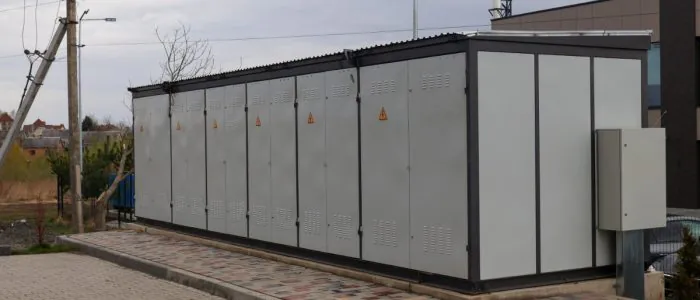
The global energy sector faces rapid change as electricity demand rises across urban centers, data hubs, and electrified transport systems. Utilities seek reliable storage options that stabilize supply and support renewable adoption without service disruption. Tesla Megapack systems present a scalable answer that aligns modern grid needs with advanced battery design and operational efficiency.
Energy storage now holds a central role within utility planning, as fossil fuel volatility and grid stress push innovation forward. Large-scale battery systems allow utilities to capture excess renewable output and deploy it during periods of high demand. This introduction to Tesla Megapack utility storage solutions will help you understand this capability with integrated software and proven deployment across major markets.
Role in Grid Stability
Grid stability requires precise coordination between generation and consumption, as sudden imbalance can lead to outages or reduced service quality. Megapack systems respond rapidly to demand shifts, delivering stored electricity within seconds to maintain frequency and voltage within acceptable limits. This responsiveness supports reliable grid operation across regions with variable renewable generation, such as solar and wind resources.
Utilities use Megapack installations to replace or supplement traditional peaker plants that rely on fossil fuels and produce higher emissions. Battery storage offers a cleaner response without combustion, and it operates with lower maintenance demands across its service life. As a result, grid operators gain flexibility while reducing environmental impact and operational complexity within their infrastructure.
Integration with Renewable Energy
Renewable energy sources produce variable output, as solar and wind generation depend on weather patterns that shift throughout each day. Megapack systems store excess generation during high output periods and release it when production declines or demand rises. This capability allows utilities to maximize renewable use without compromising reliability across their service territories.
Solar farms benefit from paired storage, as midday surplus energy can serve evening demand peaks through controlled discharge cycles. Wind installations also gain value, as storage smooths irregular output and delivers a consistent supply to consumers and industrial users. Tesla Megapack systems create a bridge between renewable generation and dependable grid service across diverse environmental conditions.
Scalability and Deployment
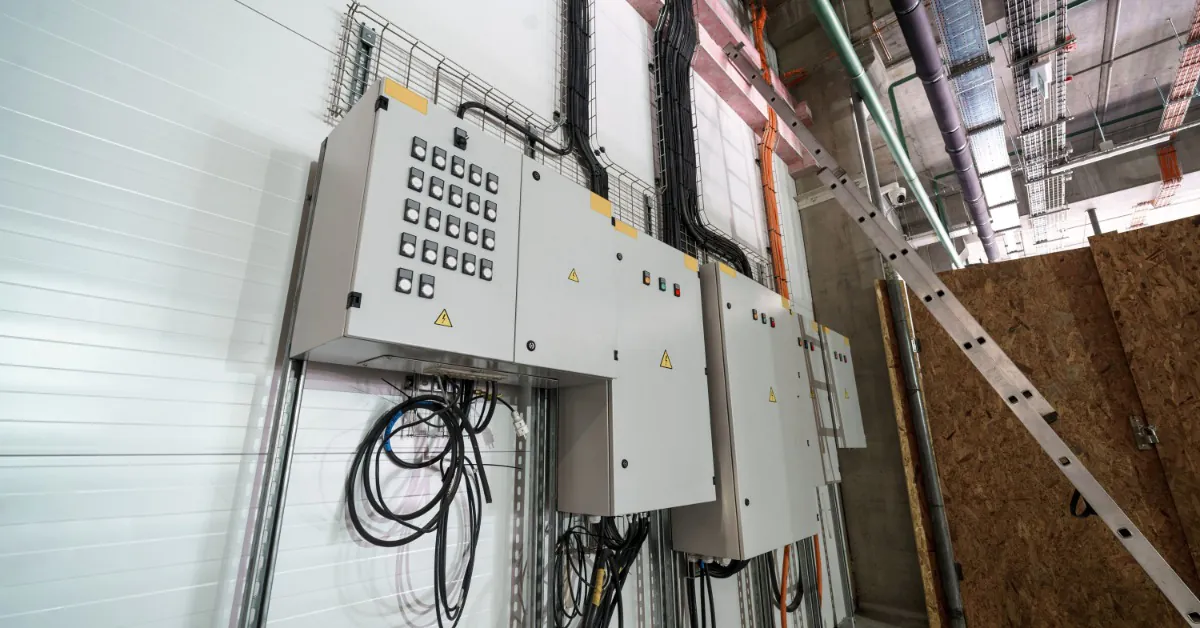
Megapack installations scale efficiently, as modular units allow utilities to expand capacity based on demand growth and project requirements. Each unit arrives preconfigured, reducing onsite assembly time and enabling project completion faster across diverse geographic locations. This streamlined deployment supports rapid response to evolving energy needs without extensive construction delays or complex engineering challenges.
Large-scale projects often include hundreds of Megapack units arranged in coordinated arrays that deliver significant storage capacity for regional grids. Operators manage these systems through centralized software that optimizes performance and coordinates dispatch across the entire installation. This approach ensures consistent operation while supporting future expansion as demand continues to grow.
Economic Drivers and Utility Costs
Utility costs continue to rise due to increased demand from electrification, population growth, and expansion of digital infrastructure across modern economies. Storage systems help offset these pressures, as they allow utilities to avoid expensive peak generation and reduce reliance on volatile fuel markets. Megapack deployments enable cost control through efficient energy management and strategic load balancing across service regions.
Commercial tax credits also encourage adoption, as policy incentives lower upfront investment requirements for large-scale storage projects. These credits improve project feasibility and accelerate deployment across both public utilities and private energy providers. Financial support combined with operational savings creates a compelling case for broader integration of Megapack systems within energy portfolios.
Environmental Impact
Energy storage plays a key role in emission reduction, as it enables greater reliance on renewable generation across utility systems. Megapack deployments reduce dependence on fossil fuel plants that operate during peak demand periods and produce higher greenhouse gas output. This transition supports cleaner air and aligns energy infrastructure with sustainability objectives across many regions.
Battery systems also reduce waste within energy production cycles, as stored electricity prevents curtailment of renewable generation during periods of surplus output. Efficient use of generated power improves overall system performance and reduces unnecessary energy loss. Tesla Megapack solutions contribute to environmental progress through practical and scalable energy storage deployment.
Financial Considerations
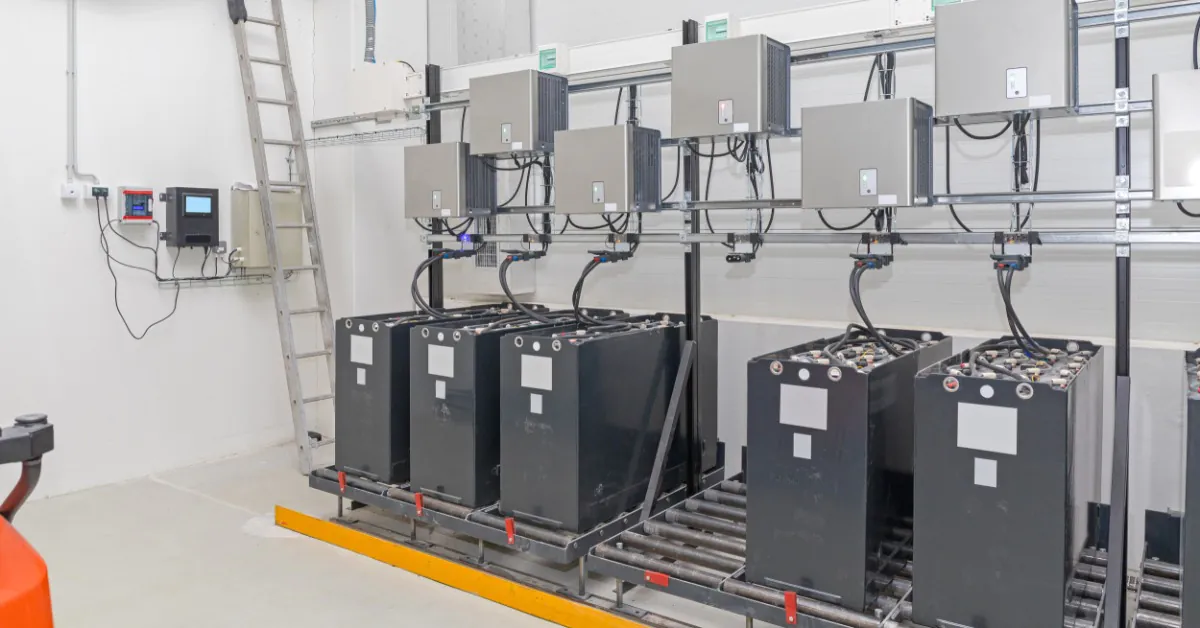
Investing in Tesla solar Megapack batteries requires an evaluation of capital costs and available incentives that influence project feasibility. Utilities assess return on investment through reduced peak generation costs and improved grid efficiency. Commercial tax credits further enhance financial viability, making storage projects more accessible for many organizations.
Private investors also show interest in energy storage assets due to stable revenue potential from grid services and capacity markets. These systems generate income through demand response and energy arbitrage within competitive markets. Financial performance combined with environmental benefits positions Megapack solutions as attractive assets within modern energy portfolios.
Technology and Software Integration
Tesla integrates advanced software with Megapack hardware to provide intelligent control over energy storage and dispatch operations across utility networks. This software analyzes grid conditions and optimizes battery usage to maximize efficiency and reliability. Operators gain detailed insight into system performance through real-time monitoring and automated reporting tools.
Machine learning capabilities enhance system responsiveness, as predictive analytics anticipate demand shifts and adjust storage strategies accordingly. This proactive approach improves operational efficiency and reduces risk associated with unexpected grid fluctuations. Tesla Megapack systems combine hardware and software innovation to deliver a cohesive energy storage solution for modern utilities.
Market Adoption Trends
Global adoption of utility-scale storage continues to expand as energy providers seek resilient solutions that support renewable integration and grid reliability. Tesla Megapack projects appear across North America, Europe, and Asia, reflecting strong demand for scalable storage technologies. Governments and private companies invest heavily in these systems to modernize infrastructure and meet energy targets.
Rising electricity demand across urban centers and industrial sectors drives further interest in large-scale battery storage solutions. Utilities recognize the value of flexible energy systems that respond quickly to changing conditions and maintain service quality. Megapack adoption aligns with broader trends that emphasize efficiency, sustainability, and technological advancement within the energy sector.
The evolution of the Tesla Megapack utility storage represents a transformative approach to energy management within modern power systems that face rising demand and environmental challenges. Its scalable design, advanced software, and integration with renewable resources position it as a vital component within future grid infrastructure. Utilities benefit from improved stability and reduced emissions through the strategic deployment of these systems.
As energy markets evolve, storage solutions like Megapack will play an increasingly important role in balancing supply and demand across diverse regions. Financial incentives and technological progress will continue to drive adoption across public and private sectors. The path forward for energy infrastructure depends on innovative solutions that deliver reliability and sustainability in equal measures.