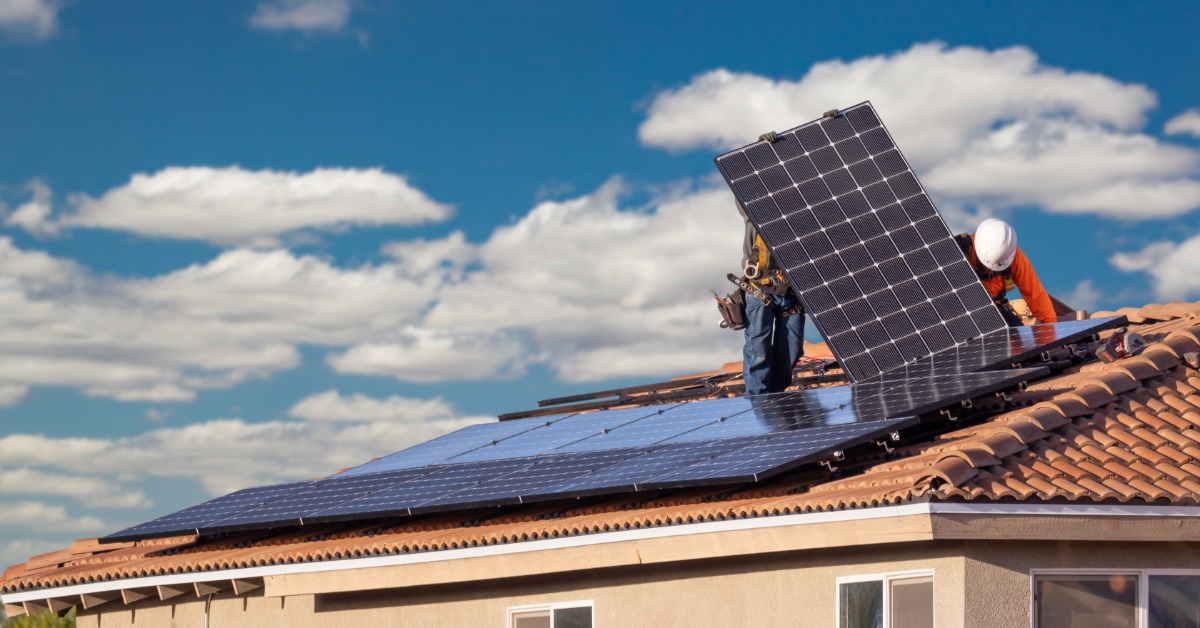
Residential solar rooftop assessments provide homeowners with clear insight into system design factors and long-term energy performance expectations. These evaluations consider roof structure, orientation, shading patterns, and electrical capacity to determine system suitability for solar panel installation. A thorough assessment allows informed decisions for reliable solar energy adoption at home.
Professionals conduct detailed reviews that align system size with household energy needs and future expansion possibilities without unnecessary complications. Homeowners gain confidence through transparent analysis and realistic projections that reflect actual site conditions and utility requirements. This overview of residential solar rooftop assessments leads to smoother installation processes, improved safety outcomes, and optimized energy production across seasons and varying weather conditions.
Understanding Roof Orientation and Tilt
Roof orientation affects solar exposure, with south-facing surfaces in many regions receiving more consistent sunlight throughout the year for energy production. Tilt angle also influences efficiency, as proper alignment helps panels capture maximum solar radiation during peak daylight hours without significant seasonal losses. An accurate evaluation of these factors supports optimal placement and enhances long-term system output for residential solar installations.
Assessment teams measure roof angles and directions with precision tools, ensuring calculations reflect real-world conditions rather than assumptions or generalized estimates. Adjustments may include alternative mounting systems or panel arrangements to compensate for less favorable orientations on certain roof sections. These tailored solutions help maintain strong performance even when structural limitations restrict ideal panel positioning on residential rooftops.
Evaluating Shading and Obstructions
Shading from trees, nearby buildings, or roof features can reduce solar panel output, making careful analysis essential for effective system design decisions. Experts map shading patterns across different times of day and seasons to understand potential energy losses and identify mitigation strategies. This detailed approach helps ensure panels receive consistent sunlight exposure and operate at efficient levels throughout the year.
Technicians may recommend trimming vegetation or repositioning panels to minimize shading impact and improve overall system productivity on the property. Advanced software models simulate sunlight paths, offering accurate predictions that inform layout adjustments before installation begins. These proactive measures protect investment value and support dependable solar energy generation under realistic environmental conditions.
Assessing Roof Condition and Structure

A solar system depends on a stable roof, so assessments include structural integrity checks to confirm it can support panel weight safely. Inspectors examine materials, age, and existing damage to determine whether repairs or reinforcement are necessary before installation begins. This step prevents future complications and ensures reliability for the roof and the solar energy system.
If a roof requires updates, professionals coordinate solutions that align with solar plans, avoiding unnecessary rework after panel placement. Strong structural support protects equipment, maintains system efficiency, and ensures compliance with safety standards across local jurisdictions. Homeowners benefit from a secure foundation that supports consistent performance over the lifespan of the solar installation.
Reviewing Electrical System Capacity
Electrical evaluations determine whether the existing system can handle solar integration without upgrades or whether panel capacity adjustments are necessary. Technicians review service panels, wiring, and load capacity to ensure compatibility with new solar equipment and safe energy distribution. This process protects home systems and ensures compliance with electrical codes that govern residential solar installations.
If upgrades become necessary, recommendations include panel replacements or circuit adjustments that support efficient solar energy transfer throughout the home. Clear planning reduces delays and prevents unexpected costs during installation phases, improving overall project outcomes for homeowners. Proper electrical alignment ensures reliable performance and seamless interaction between solar panels and household energy systems.
Financial Analysis and Incentives
Solar assessments often include financial evaluations that outline costs, savings projections, and available incentives that reduce overall investment requirements. Experts present clear breakdowns of installation expenses, tax credits, and potential rebates that support informed financial decisions for homeowners. This transparency builds trust and allows realistic planning for solar adoption without unexpected financial strain.
Return on investment estimates consider energy savings and system lifespan to provide a comprehensive financial outlook. Homeowners gain clarity on payback periods and benefits associated with residential solar systems. These insights support confident decisions and highlight the economic advantages of transitioning to solar energy solutions.
Energy Consumption and System Sizing
Understanding household energy use allows accurate system sizing, ensuring solar installations meet demand without excess capacity or insufficient production. Assessments review utility bills, usage patterns, and seasonal variations to determine optimal panel quantity and system configuration for each home. This data-driven approach supports efficient energy generation and cost savings over time.
Professionals balance production goals with budget considerations, creating systems that deliver value while aligning with homeowner expectations and financial plans. Accurate sizing reduces reliance on grid power and maximizes return on investment through effective solar energy utilization. Tailored solutions ensure each system reflects unique household needs and long-term energy objectives.
Backup Power and Grid Reliability
Solar rooftop assessments also explore energy storage options that enhance resilience during outages and support consistent power availability under varying conditions. A Tesla Powerwall can store excess energy for later use, providing backup support when grid disruptions occur or demand exceeds solar production. This integration improves energy independence and strengthens overall system reliability for residential properties.
Storage solutions allow homeowners to manage energy use more effectively, reducing reliance on external power sources during peak demand periods or emergencies. Coordinated system design ensures seamless interaction between panels and electrical systems for dependable performance. These features contribute to a stable energy environment that supports comfort and security across changing circumstances.
Professional Collaboration and Installation
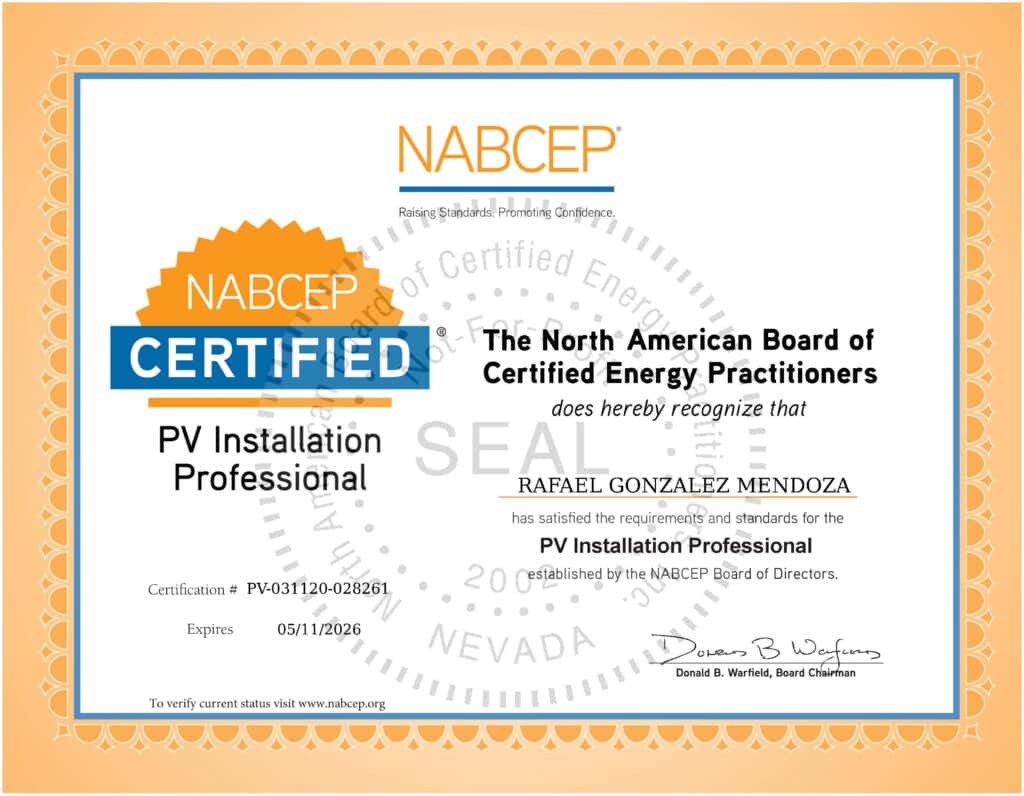
Working with professionals to install residential solar panels will ensure you receive expert evaluation, precise system design, and reliable execution from experienced industry specialists. Qualified teams handle technical challenges and deliver installations that meet performance expectations for residential solar systems. Their expertise reduces errors and supports efficient project completion within established timelines and budgets.
Collaboration with professionals also provides access to advanced tools and ongoing support throughout the system lifecycle. Homeowners benefit from clear communication, consistent updates, and dependable service that extends beyond initial installation phases. This partnership fosters confidence and ensures long-term satisfaction with solar energy investments.
Residential solar rooftop assessments form the foundation of successful solar installations, offering detailed insight into structural and technical factors that influence system performance. These evaluations empower homeowners to make informed decisions, align investments with energy goals, and ensure reliable outcomes for their solar projects. Through careful planning and expert collaboration, solar systems can deliver consistent energy and long-term value for residential properties.
A comprehensive assessment process addresses every aspect of solar readiness, from roof condition to electrical capacity and regulatory compliance, ensuring no detail goes overlooked. This structured approach reduces risk, improves efficiency, and supports seamless integration with existing home systems. With proper evaluation and thoughtful design, residential solar energy becomes a dependable solution for sustainable and resilient power generation.