Modern energy demands require robust solutions that offer reliability, efficiency, and autonomy for homeowners. The electrical grid faces constant pressure from extreme weather events, aging infrastructure, and increased consumption patterns, which often lead to unexpected outages and fluctuations in power quality. Homeowners increasingly look toward advanced battery storage technologies to mitigate these risks and gain control over their energy usage.
The Tesla Powerwall stands out as a premier choice, offering a sleek design and sophisticated software that manages energy flow effectively. Integrating Tesla Powerwalls with electrical systems requires a deep understanding of electrical circuits, load management, and safety protocols. When connected properly, these batteries act as a buffer between the home and the grid, storing excess solar energy or low-cost grid power for later use.
This dynamic relationship transforms a passive home into an active participant in the energy ecosystem. It also enables monitoring and control of energy distribution through a smartphone app, empowering users to make informed decisions about their consumption habits. In a future that prioritizes renewable resources, the role of intelligent storage systems becomes even more significant.
Assessing Home Electrical Load Requirements
An accurate load calculation ensures the system meets specific power needs without unexpected failures later. You must evaluate all appliances to determine their individual wattage and operational duration during outages. This process reveals the total energy demand your home places on the storage system daily.
Professionals often perform a detailed audit to identify peak usage times and essential circuits. They review past utility bills to understand seasonal fluctuations in power consumption. Proper assessment ensures the battery provides adequate backup during critical grid-failure moments.
Understanding the Gateway and Transfer Switch
The Gateway functions as the brain of the system and manages energy flow intelligently. It detects grid outages instantly and disconnects the home to ensure safety for utility workers. This device continuously communicates between the battery, solar inverter, and the main electrical panel.
A transfer switch operates within the Gateway to completely isolate the house from the grid. It allows the Powerwall to discharge stored energy into the home circuits without any interruption. This seamless transition protects sensitive electronics from sudden power surges or voltage drops.
Solar Inverter Compatibility and Connection
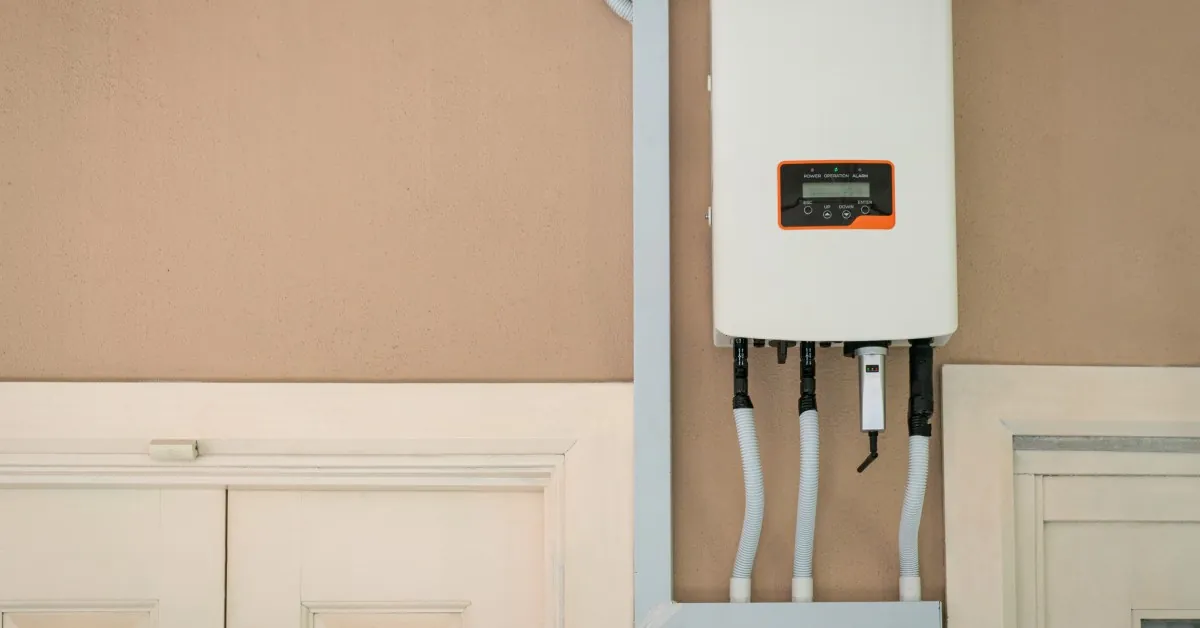
Most solar inverters work well with the Powerwall, but some require specific configuration steps. You need to verify the brand and model of your inverter before installation begins. This check prevents communication errors that could hinder the charging process from solar panels.
Direct current-coupled systems differ from alternating current-coupled setups in their installation requirements. The Powerwall uses an alternating-current-coupled architecture to simplify retrofitting with existing solar arrays. This approach allows for greater flexibility when designing a system for older homes.
Main Panel Upgrade Considerations
Older homes often possess electrical panels that lack the capacity for modern storage systems. You might need a panel upgrade to accommodate the additional breakers required for the installation. This upgrade ensures the electrical infrastructure can safely and efficiently handle the increased load.
Inspectors will check the amperage rating of the main service entrance before approving plans. A standard 200-amp service usually suffices for most residential Powerwall installations today. Upgrading the panel also provides an opportunity to organize and label circuits correctly.
Backup Load Selection Strategy
Homeowners must decide which circuits receive power during an outage to maximize battery life. You can choose to back up the entire home or only the essential loads. This decision affects how long the battery can power the system during extended grid failures.
Investing in a Tesla Powerwall is one of the best decisions to secure energy autonomy. You prioritize refrigerators, lights, and communication devices to maintain comfort and safety at home. Smart management of these loads extends the operational time of the system significantly.
Conduit and Wiring Pathways
Installers must plan the route for conduit and wiring to minimize aesthetic impact. They run wires from the main panel to the Gateway and then to the battery. This path must adhere to local building codes regarding depth and protection of conductors.
Surface-mounted conduit is common in garages, while exterior walls may require different materials. You should discuss the route with the installer to ensure it meets your visual standards. Proper wire sizing prevents voltage drop and provides efficient energy transfer within the system.
Communication and Network Setup
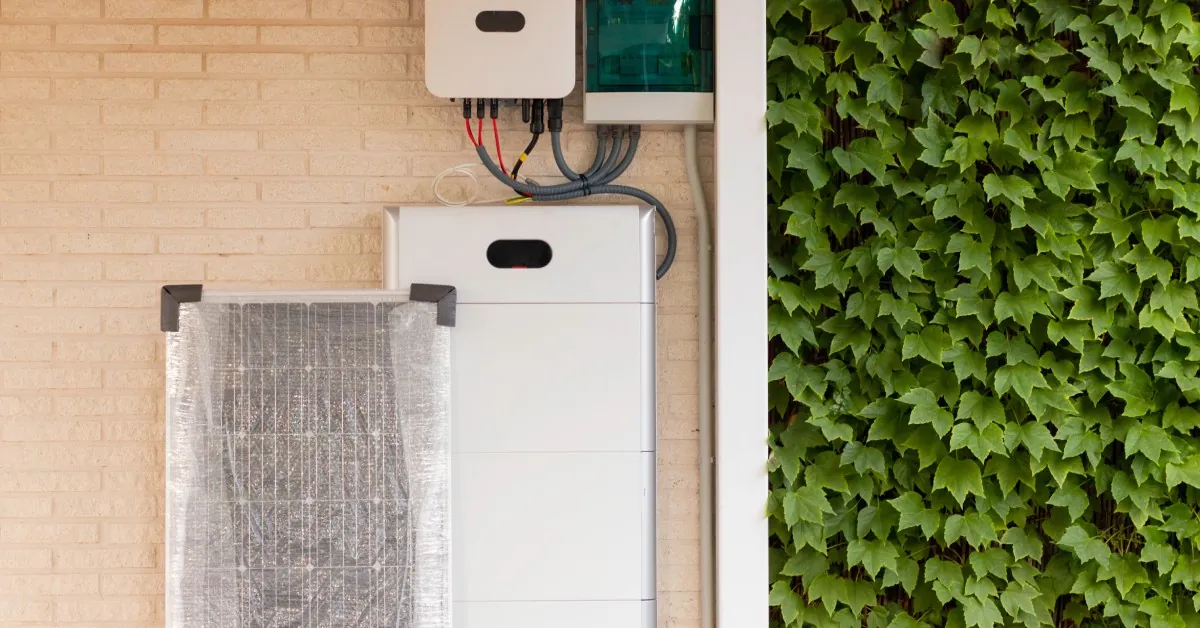
The system relies on a stable internet connection to receive software updates and report data. You must connect the Gateway to your home network via Wi-Fi, Ethernet, or cellular. A strong signal ensures you can monitor the system status remotely through the mobile app.
Installers often run a hardwired Ethernet cable to guarantee the most reliable connection possible. This physical link prevents data loss during Wi-Fi disruptions or signal interference from other devices. Reliable communication allows Tesla to perform remote diagnostics and troubleshoot issues effectively.
Environmental Placement and Thermal Management
Batteries perform best when installed in a location with moderate temperatures and good ventilation. You should avoid placing the unit in direct sunlight or areas prone to extreme cold. The internal thermal management system regulates temperature, but extreme conditions reduce overall efficiency.
Garages often provide the ideal environment for installation, as they offer protection from the elements. If an outdoor installation is necessary, choose a shaded wall to minimize heat absorption. Proper placement ensures the longevity of the battery cells and maximizes their performance.
Permitting and Inspection Protocols
Local authorities require permits before any electrical work or battery installation can commence. You must submit detailed plans that show the electrical layout and structural mounting details. This step ensures the installation meets all safety standards and local building codes.
A final inspection occurs after the installation is complete to verify compliance with approved plans. The inspector checks all connections, labels, and safety disconnects for proper operation and placement. City approval allows you to activate the system and begin using it.
Utility Interconnection Agreements
To ensure the correct integration of a Tesla Powerwall with electrical systems, utility companies need to know about any power generation or storage connected to their grid. You must file an interconnection application to obtain permission to operate the system legally. This agreement outlines the rules for exporting excess energy back to the grid.
Some utilities offer incentives or rebates for installing battery storage systems within their service territories. You should research these programs to offset the initial cost of the equipment purchase. Approved interconnection ensures the system operates in harmony with the larger electrical grid.
The successful integration of a Tesla Powerwall into a home electrical system represents a significant step toward energy resilience and independence. It is a process that demands careful planning, from the initial assessment of electrical loads to the final approval from local utility providers. Each component, from the Gateway to the main panel, plays a vital role in ensuring the system operates safely and effectively.
The transition to a decentralized energy model relies on such robust integrations, allowing individuals to manage their resources with precision. As technology evolves, these systems will likely become even more streamlined, but the fundamental principles of safe electrical integration will remain paramount.